






An Ambition of Unprecedented Scale
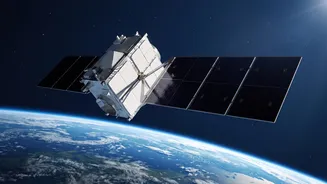
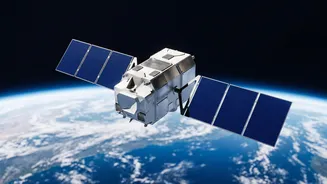
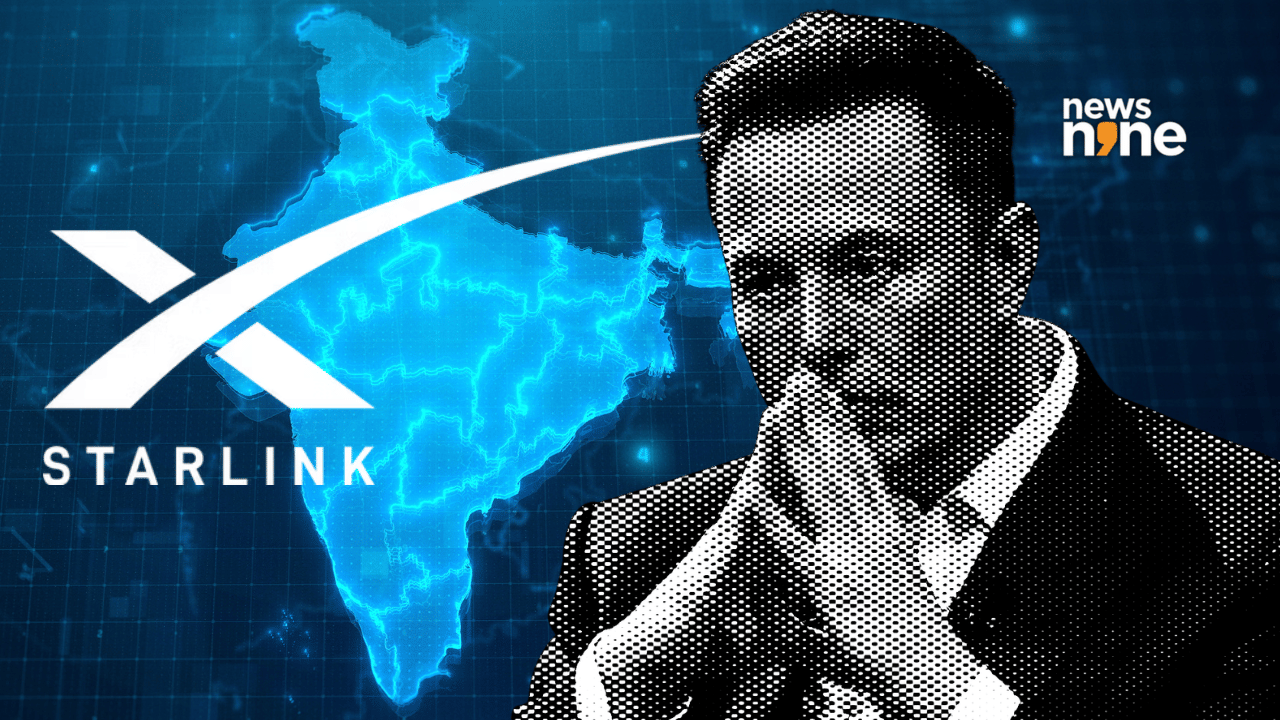
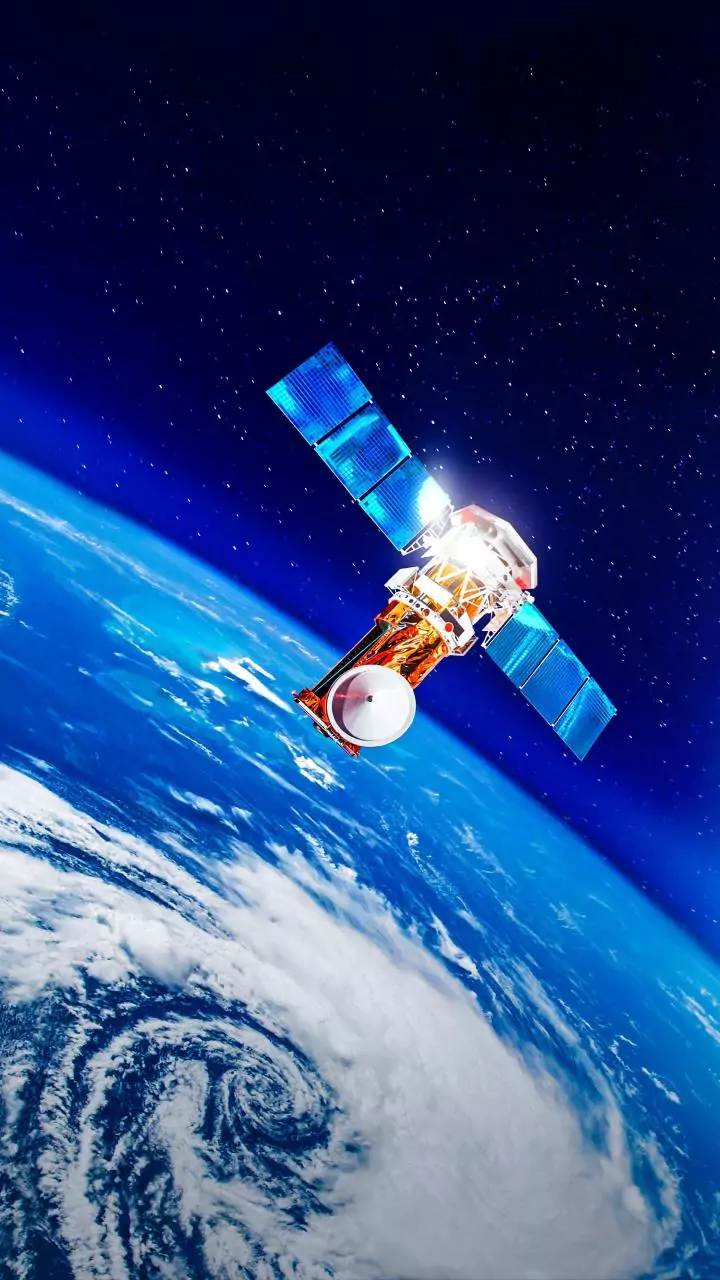
Starlink, the satellite internet division of SpaceX, is not just asking for a minor upgrade. Its new application is for its 'Gen 2' constellation, which involves deploying nearly 30,000 satellites in low-Earth orbit. This is a massive increase from its first-generation
network, which was approved in July 2025 and consists of around 4,400 satellites. An earlier application for the Gen 2 system was rejected because some technical features and proposed frequency bands did not align with Indian regulations. The revised proposal, which also includes plans for direct-to-device (D2D) connectivity that could link satellites directly to smartphones, represents Starlink's renewed and more technologically advanced push into the Indian market.
Meet IN-SPACe: India's Space Gatekeeper
The authority tasked with evaluating this colossal request is the Indian National Space Promotion and Authorisation Centre (IN-SPACe). Created in 2020, IN-SPACe acts as a single-window agency designed to promote, authorise, and supervise the activities of private companies in India's rapidly growing space sector. Its mandate is to facilitate private participation, from building satellites and launch vehicles to providing space-based services, a significant shift from the sector's traditionally government-controlled model. This evaluation is one of the most significant tests of IN-SPACe's role in balancing the promotion of foreign technology with the country's strategic and commercial interests.
The Promise: Connecting the Unconnected
The most significant benefit touted by proponents of satellite internet is its potential to bridge India's persistent digital divide. Starlink’s network could deliver high-speed broadband to remote, rural, and geographically challenging areas where laying terrestrial fibre optic cables is difficult and expensive. Elon Musk has stated that the service would primarily benefit the “least served” communities in India. Beyond consumer internet, such a network could provide critical backup for disaster management, telemedicine, and other essential services, ensuring connectivity when ground infrastructure fails.
A Crowded and Competitive Sky
Starlink is not entering an empty field. India's satellite communications market is heating up with formidable competitors. Reliance Jio, through its JioSpaceFiber venture with SES, and Bharti-backed Eutelsat OneWeb are also major players with satellite internet ambitions. Amazon's Project Kuiper is another global giant vying for a piece of the Indian market. The presence of strong domestic players like Jio and Airtel-allied OneWeb adds a layer of complexity to the regulatory decision. Authorities must weigh the benefits of Starlink's massive scale against the goal of fostering a competitive market and supporting national champions. So far, none of these major operators has launched full commercial services, as they all await final security clearances and spectrum allocation rules.
The Hurdles: Security, Spectrum, and Space Debris
Approving Starlink's application is not a simple yes-or-no decision for IN-SPACe. The regulator must navigate several critical challenges. A primary concern is national security. Indian authorities require that foreign satellite operators route Indian data through local gateways and allow for lawful interception, treating the network as critical infrastructure. Another significant issue is the allocation of spectrum, the radio frequencies that satellites use to communicate. The government is yet to finalise the rules for how this spectrum will be assigned and priced. Furthermore, the sheer number of proposed satellites raises concerns about orbital debris and space traffic management, a growing global issue that IN-SPACe will have to consider to ensure the long-term safety and sustainability of space activities.