




More Than a Meal: A Divine Offering
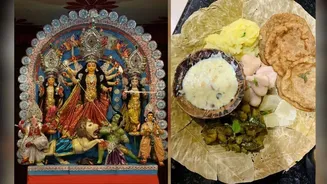
At its heart, Bhoger Khichuri is a 'niramish' or sattvik preparation, meaning it is made without onions or garlic. This makes it pure enough to be offered as 'bhog' (a food offering) to deities, especially Goddess Durga during Durga Puja. What elevates
this dish from a simple rice and lentil porridge to a divine offering is the blend of devotion, specific ingredients, and ritual. It's a one-pot meal that symbolises community, served in pandals to devotees who eagerly await their share of this blessed 'prasad'. For many, the taste of Bhoger Khichuri is inseparable from the memories and emotions of the festival itself.
The Soul of the Dish: Essential Ingredients
The magic of Bhoger Khichuri lies in its specific, high-quality ingredients. The foundation is a combination of two key items: Gobindobhog rice and Sona Moong dal. Gobindobhog is a short-grained, aromatic rice native to West Bengal, prized for its naturally sweet, buttery flavour. Sona Moong dal, a petite yellow lentil, is dry-roasted before cooking to impart a deep, nutty aroma that is the signature of this dish. The cooking medium is traditionally ghee and mustard oil, which add layers of richness. Aromatic whole spices like cinnamon, cardamom, cloves, and bay leaves, along with ginger paste, complete the flavour profile.
The Art of the Roast: Prepping the Dal
The first and most crucial step, which sets Bhoger Khichuri apart from other khichdi varieties, is the dry roasting of the moong dal. The lentils are placed in a heavy-bottomed pan over medium heat and stirred continuously until they turn a light golden-brown and release a wonderfully nutty fragrance. This process, known as 'bhaja', not only deepens the flavour of the dal but also helps it hold its shape during the slow cooking process. Once roasted, the dal is washed immediately to stop the cooking and set aside. This simple step is non-negotiable for achieving the authentic taste and aroma of the traditional dish.
Step-by-Step: Crafting the Khichuri
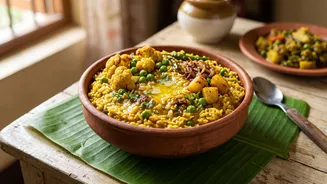
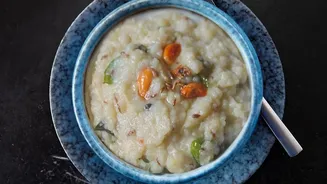
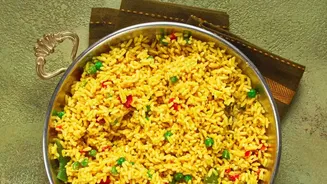
Cooking begins by heating ghee or mustard oil and tempering it with whole spices like bay leaves, dried red chillies, and cumin seeds. Next, ginger paste is added and sautéed, followed by chopped tomatoes. Often, vegetables like cubed potatoes and cauliflower florets are fried separately until golden and then added to the pot. The washed Gobindobhog rice is then fried in the aromatic oil for a few minutes before the roasted moong dal joins it. Hot water is poured in, along with turmeric, salt, and a touch of sugar to balance the flavours. The khichuri is then covered and simmered until the rice and dal are cooked to a soft, porridge-like consistency, with the grains still slightly visible.
Finishing Touches and Perfect Pairings
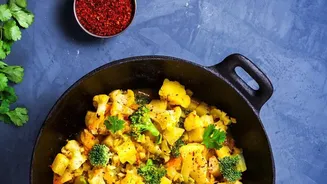
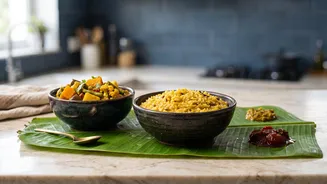
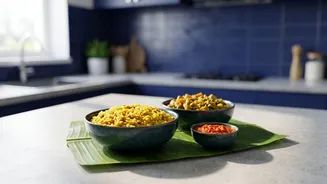
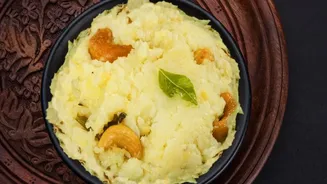
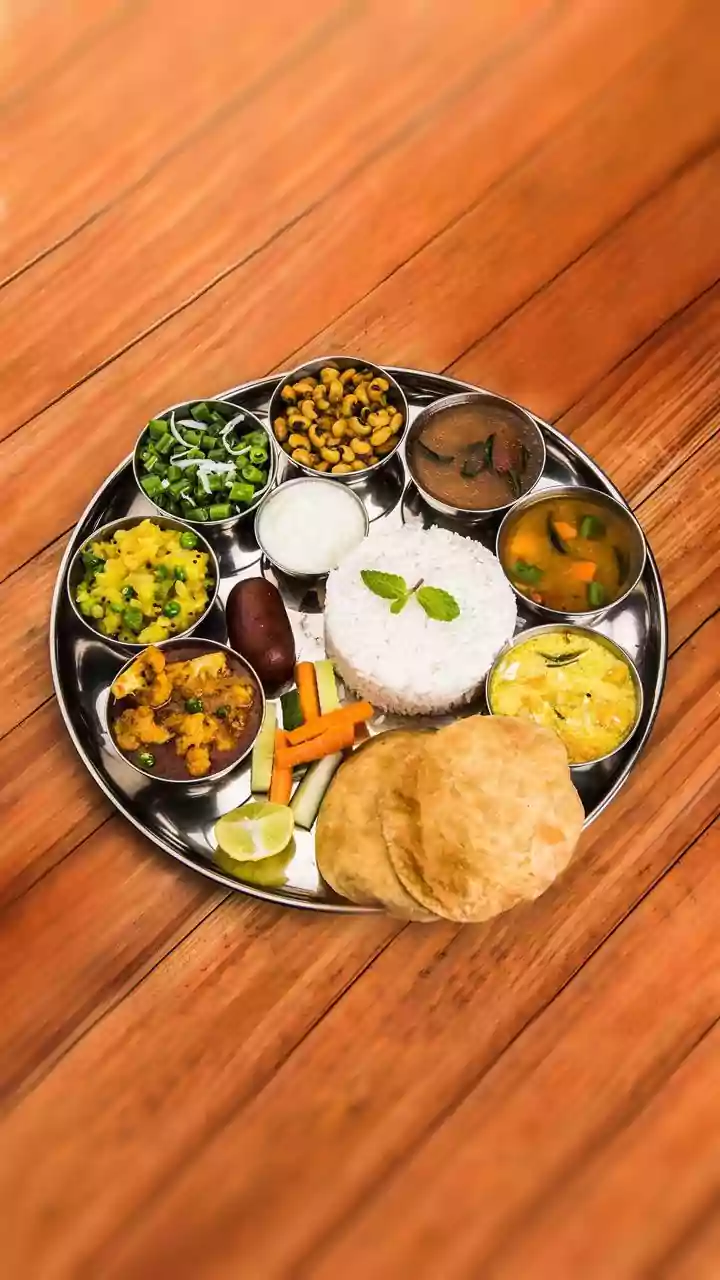
Towards the end of the cooking, green peas, fried cashews, and raisins are often stirred in for texture and sweetness. A final, generous dollop of ghee and a sprinkle of Bengali garam masala powder are the finishing touches that bring all the flavours together. Bhoger Khichuri is rarely served alone. The quintessential accompaniment is 'labra', a mixed vegetable medley cooked with panch phoron. Other popular side dishes include 'begun bhaja' (fried eggplant slices), 'aloo bhaja' (crispy fried potato straws), and a sweet tomato chutney. Together, they form a complete, festive meal that nourishes both body and soul.