



The King of Fruits in Exile
For nearly two decades, from 1989 to 2007, the world-renowned Indian mango was banned from entering the United States. While India is the world's largest producer of mangoes, boasting over 1,000 varieties, American regulators had significant concerns.
The U.S. Department of Agriculture (USDA) feared that pests, particularly fruit flies and the mango seed weevil, could hitch a ride on the imported fruit and devastate American agriculture, especially citrus and stone-fruit crops. This 18-year ban meant that for a generation of the Indian diaspora in the US, the taste of a fresh Alphonso or Kesar mango was a distant memory, with only canned pulp available as a substitute. For a fruit deeply intertwined with Indian culture and identity, this was more than just a trade barrier; it was a form of culinary exile.
The Art of the 'Mangoes for Harleys' Deal
Breaking the deadlock required years of difficult negotiations. The standoff became a classic example of trade reciprocity, where each side needed something the other had. India desperately wanted access to the lucrative American market for its prized mango growers. The United States, in turn, was pushing India to lower its steep import tariffs on a variety of goods, including an American icon: Harley-Davidson motorcycles. For years, the high-performance bikes were effectively locked out of India's market due to emission standards and high taxes. This dynamic created a unique bargaining situation, often referred to as the "mangoes for Harleys" deal, where the sweet fruit became a powerful chip in complex diplomatic horse-trading.
A Presidential Tasting and a Nuclear Deal
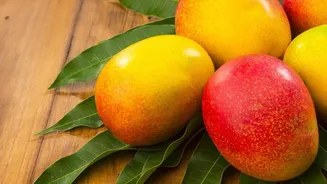
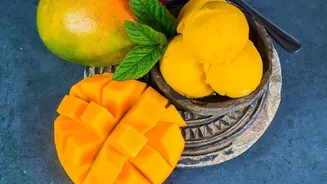
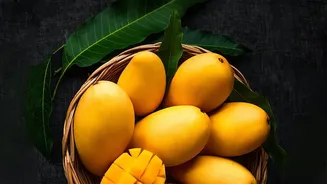
The breakthrough finally came in March 2006. During a landmark visit to New Delhi focused on sealing a historic civil nuclear agreement, then-US President George W. Bush expressed a wish to try the famous Alphonso mango. After tasting it, he reportedly called it a "hell of a fruit." Shortly thereafter, alongside Prime Minister Manmohan Singh, a deal was announced. Commentators dubbed it the "nuclear mango deal," linking the major geopolitical pact with the much simpler, yet symbolically powerful, agricultural trade agreement. The solution to the pest problem was a technological one: India agreed to treat all US-bound mangoes with a low dose of irradiation at a specially approved facility to neutralize any pests, a process overseen by US inspectors.
The Sweet Taste of Diplomacy
The first legal commercial shipment of Indian mangoes in 18 years landed in the US in April 2007, an event celebrated by officials from both nations as a significant milestone. While the volume of Indian mangoes still represents a tiny fraction of the massive US market, which is dominated by Latin American imports, its symbolic value is immense. The deal was hailed as a win-win, allowing Harley-Davidson to enter the Indian market and giving American consumers access to some of the world's most sought-after fruit. For many in the Indian-American community, the return of fresh Alphonsos and Kesars was not just a culinary event but a deeply felt cultural reunion.
A Sweet but Sometimes Sour Legacy
The story of the mango illustrates the broader US-India trade relationship: full of immense potential but often complicated by specific, granular disputes. Even after the 2007 agreement, the mango trade has not been without its bumps. Shipments were paused during the COVID-19 pandemic when travel restrictions prevented US inspectors from visiting Indian facilities. In May 2025, a significant number of shipments were rejected due to documentation errors, causing substantial financial losses for exporters. These incidents serve as a reminder that even after a major diplomatic breakthrough, the day-to-day business of international trade requires constant attention to detail. The mango, it seems, remains a perfect, and delicious, barometer for the health of the US-India partnership.