



The Allure of an Uncharted Path
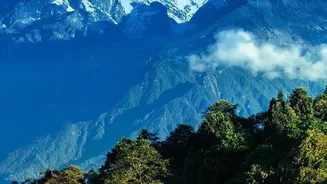
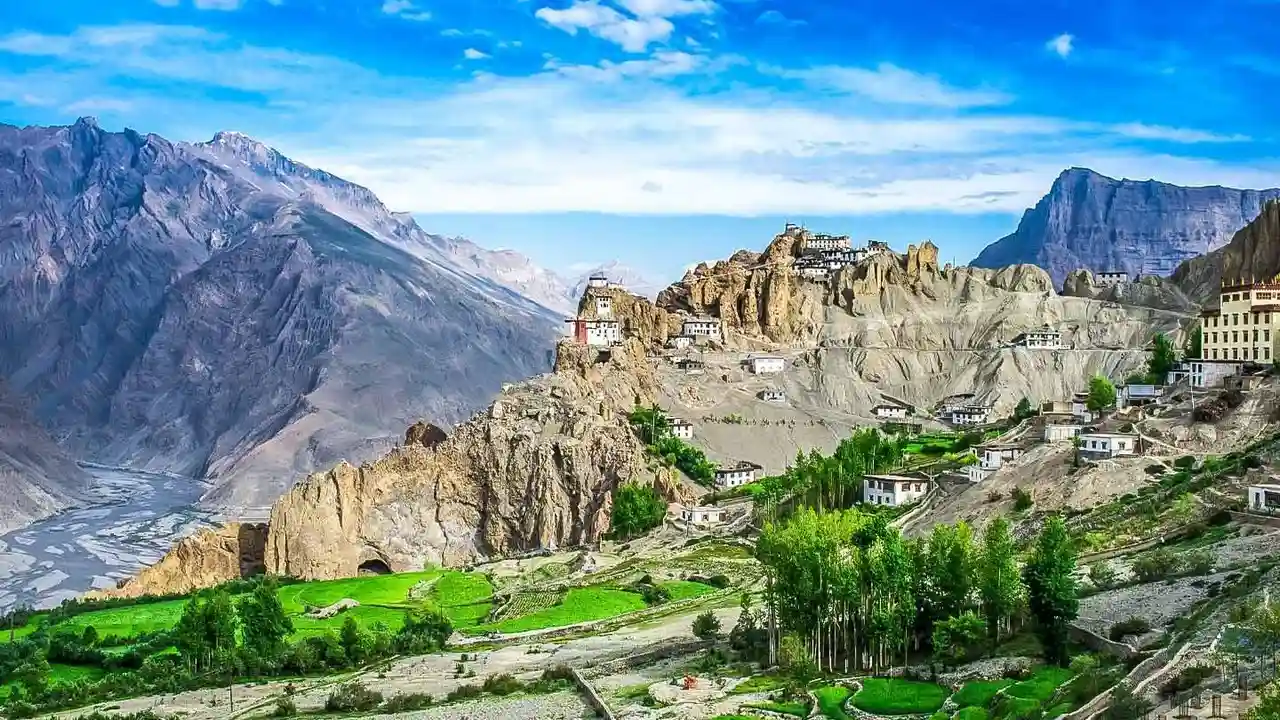
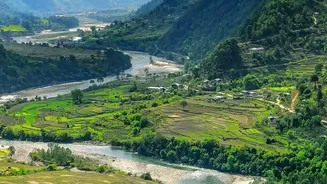
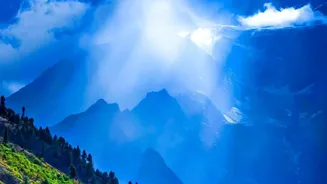
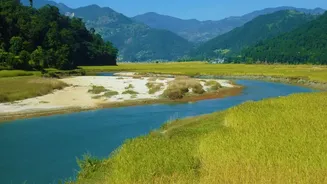
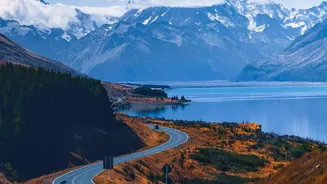
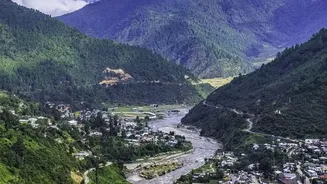
For adventurers and storytellers, Arunachal Pradesh represents one of India’s last frontiers. It’s a state where snow-capped Himalayan peaks give way to lush river valleys, and remote monasteries cling to mountain-sides. Unlike more trodden paths, a journey
here is about immersing oneself in raw, untamed nature and the rich tapestry of local Monpa culture. The goal for many is not just to see the sights, but to feel the thrill of reaching a place that few have experienced. This itinerary is designed around that very principle, saving the most challenging and rewarding destination for last. The route through West Kameng and Tawang districts is a classic for a reason, but pushing beyond the usual tourist circuit to Mago transforms a great trip into an epic one.
First Steps: Permits and Preparation
Before you can even think about the stunning vistas, there's crucial paperwork. All Indian citizens who are not residents of Arunachal Pradesh must obtain an Inner Line Permit (ILP). This can be applied for online through the official government portal and is typically processed quickly. Foreign nationals require a Protected Area Permit (PAP), which is usually arranged through a registered tour operator for groups of two or more. Once permits are secured, the focus shifts to packing. The journey involves significant altitude changes and unpredictable weather. Essentials include layered warm clothing, sturdy waterproof shoes, a basic medical kit with altitude sickness medication, sunscreen, and power banks, as electricity can be unreliable in remote areas. Since the drive to Mago is demanding, a robust 4x4 vehicle with an experienced local driver is non-negotiable.
The Journey Begins: Guwahati to Tawang
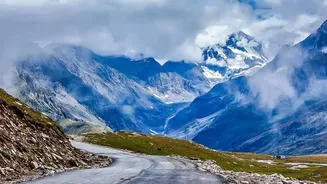
Most itineraries begin from Guwahati in Assam. The first leg is a long drive to the West Kameng district, with an overnight halt in Dirang or the peaceful Sangti Valley. From there, the road ascends dramatically to Sela Pass, situated at an altitude of over 13,000 feet. This high mountain pass is often covered in snow and offers breathtaking views of the surrounding Himalayas and the serene Sela Lake. After crossing the pass, travelers visit the Jaswant Garh War Memorial before descending towards the town of Tawang. Along the way, a stop at the magnificent Nuranang Falls (also known as Jang Falls) is a must. Tawang itself, home to India’s largest monastery, serves as the main base for exploring the region, including the much-visited Bum La Pass and Madhuri Lake. It's wise to spend at least a day acclimatizing here before pushing further.
The Final Frontier: The Road to Mago
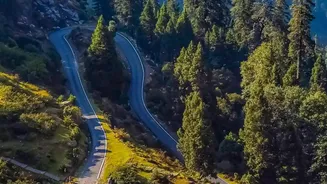
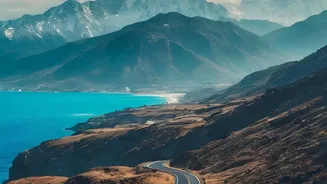
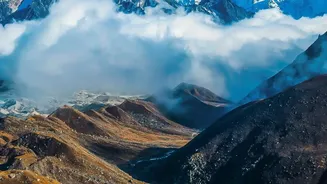
The drive from Tawang to Mago is the adventure's climax. The roughly 85-kilometre journey can take four to five hours, navigating rugged, mountainous terrain that demands skill and a sturdy vehicle. The route follows the Mago Chu river through a narrow gorge, with parts of the road impressively carved into cliff faces by the Border Roads Organisation. This stretch is a true test of endurance but rewards travelers with scenery that becomes more dramatic with every kilometre. You leave the more populated areas behind, entering a world of raw, eroded peaks and deep valleys. The sense of isolation and anticipation builds as you navigate towards one of the last villages accessible by road in this part of the Himalayas.
Mago: A Destination Worth the Wait
Arriving in Mago feels like a genuine accomplishment. Situated at about 11,500 feet, this small Monpa village is a world away from the hustle of modern life. With a population of just a few hundred people whose main livelihood is yak herding, Mago is not a tourist hub but a living community. There are no hotels, only a few basic homestays and a government guest house where you eat what the family cooks. The village is known for its natural hot springs, believed to have medicinal properties, providing a perfect way to soothe tired muscles after the long journey. It's this profound sense of peace, the warm hospitality, and the sheer, untouched beauty of the landscape that makes Mago the perfect final stop. It’s a place to disconnect, reflect, and savour the feeling of having reached a truly special corner of the world.