


Beyond the Metrics
In the world of fitness, we are often taught to worship at the altar of data. We track our steps, monitor our heart rates, and count every calorie burned. The prevailing wisdom has long been that for exercise to be effective, it must be measurable and,
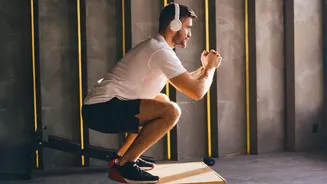
often, grueling. This “no pain, no gain” mindset prioritises intensity and duration above all else, creating a culture where workouts are seen as a necessary evil—a punishment for yesterday’s indulgence or a transaction for future health.
The Science of a Good Feeling
A growing body of research suggests this approach is fundamentally flawed for long-term success. The key to consistency, it turns out, is not grit alone, but genuine enjoyment. Exercise psychologists refer to this as a positive “affective response.” Put simply, if you feel good during and immediately after physical activity, you are significantly more likely to do it again. This internal, or intrinsic, motivation is a far more powerful driver of behaviour than external goals like weight loss. Studies show that while extrinsic goals can get you started, they are often not enough to keep you going when motivation inevitably wanes. In contrast, intrinsic motives—like the pure fun of the activity, the feeling of competence, or the stress relief it provides—create a lasting commitment.
Redefining 'Real' Exercise
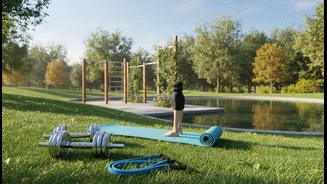
One of the biggest barriers to finding joy in movement is our narrow definition of what “counts” as exercise. If you believe a workout only matters if it happens in a gym and leaves you drenched in sweat, you’re ignoring a world of possibilities. The human body is designed to move, and any activity that gets your heart rate up and engages your muscles is beneficial. This could be a brisk walk in a park, dancing in your living room, gardening, hiking with friends, or playing a game of cricket. The most effective workout programme is the one you don't have to drag yourself to. By broadening your perspective, you open up countless opportunities to be active in ways that feel like play rather than work.
How to Find Your Fitness Fun
Finding enjoyable movement is a process of exploration. Start by thinking about activities you liked as a child. Were you constantly climbing trees, riding a bicycle, or playing tag? Try to tap back into that sense of play. Experiment with different types of classes or sports. Maybe the high energy of a Zumba class is for you, or perhaps the quiet focus of yoga is more your speed. Make exercise a social activity by joining a team or finding a workout buddy. The accountability and camaraderie can transform an obligation into a highlight of your week. Other simple tricks include curating an energizing music playlist, listening to an engrossing podcast or audiobook, or exercising outdoors to connect with nature. The goal is to shift your focus from the outcome (burning 300 calories) to the experience itself (how the fresh air feels, how the music makes you want to move).
The Balance of Joy and Goals
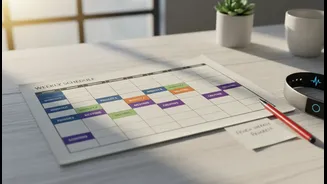
This is not to say that intensity and duration are irrelevant. For specific goals, such as training for a marathon or building significant muscle mass, a structured plan that includes challenging workouts is essential. However, enjoyment should still be the foundation upon which that structure is built. Even for serious athletes, finding pleasure in the process is crucial for avoiding burnout. Research shows that enjoyment is a key predictor of exercise habit and adherence, regardless of the intensity. You can incorporate joy into a structured plan by varying your workouts, celebrating small victories, and ensuring you have adequate recovery. Ultimately, the aim is to create a sustainable practice where challenging yourself feels empowering, not punishing.