





Start with a Gentle Base
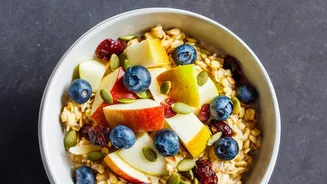
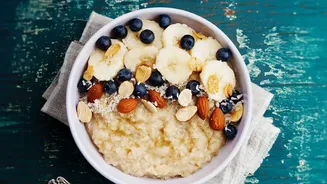
The foundation of your bowl sets the stage for digestive success. Instead of diving straight into raw grains, consider options that are easier on the gut. Rolled oats are a great source of soluble fiber, which dissolves in water to form a gel-like substance
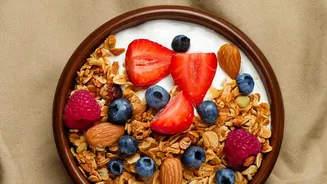
that aids smooth digestion. Soaking oats overnight can make them even easier to digest. For a dairy-based option, plain curd or Greek yogurt provides a creamy, protein-rich start. These are often easier to handle than milk, but if you are sensitive to lactose, numerous plant-based yogurts made from coconut, almond, or soy are excellent alternatives. For those who prefer a savoury start, traditional Indian options like poha (flattened rice) or daliya (cracked wheat) are famously light and digestible.
Incorporate Probiotic Power
A healthy gut thrives on a balanced microbiome. Probiotics are live, beneficial bacteria that help maintain this balance. Including them in your morning bowl is a simple way to support digestive health from the start of your day. The most common probiotic-rich food for a breakfast bowl is yogurt or kefir that contains 'live and active cultures'. Kefir, a fermented milk drink, often contains an even wider variety of bacterial strains than yogurt. These foods introduce beneficial microbes that can improve digestion and nutrient absorption. For a non-dairy or savoury twist, you could even consider adding a small amount of fermented foods like kimchi to an egg-based bowl.
Focus on Friendly Fibre
Fibre is crucial for digestive health, but not all fiber is created equal. There are two main types: soluble and insoluble. Soluble fiber, found in oats, chia seeds, apples, and berries, helps slow digestion and can make stools easier to pass. Insoluble fiber, found in whole grains and many raw vegetables, adds bulk and helps promote regularity. For a gentle morning bowl, focus on soluble fiber. Add a tablespoon of chia seeds or ground flaxseeds; when they absorb liquid, they form a gel that is soothing to the gut. Fruits like berries, bananas (especially when slightly under-ripe), and oranges are excellent choices. They provide fiber and nutrients without being too harsh.
Add Easily Digestible Toppings
Toppings add flavour, texture, and nutrients, but it's important to choose wisely. Nuts and seeds like almonds and walnuts are great, but nut butters can be even easier to digest. Spices like cinnamon, ginger, and turmeric not only add flavour but also have anti-inflammatory properties that can soothe the digestive system. For sweetness, instead of refined sugar, opt for a small drizzle of maple syrup or honey, or let the natural sweetness of fruit be enough. While dried fruits are a common topping, they can be high in sugar and sulfites, which may cause bloating in sensitive individuals, so use them in moderation.
Foods to Approach with Caution
Some otherwise healthy foods can be common culprits for morning bloating and discomfort. Cruciferous vegetables like raw kale or cabbage in a smoothie can be hard to digest for some people. High-fat foods can also slow digestion, leading to a heavy feeling. Likewise, artificial sweeteners found in some protein bars and sugar-free products can cause digestive issues. If you have a known gluten sensitivity, wheat-based products like certain breads or cereals will cause bloating and discomfort. The key is to pay attention to your own body. If you notice a pattern of discomfort after eating a certain food, try eliminating it for a while to see if you feel better.