





What Are Ultra-Processed Foods?
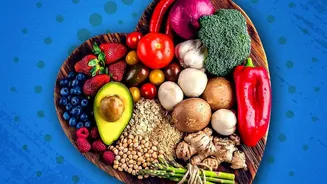
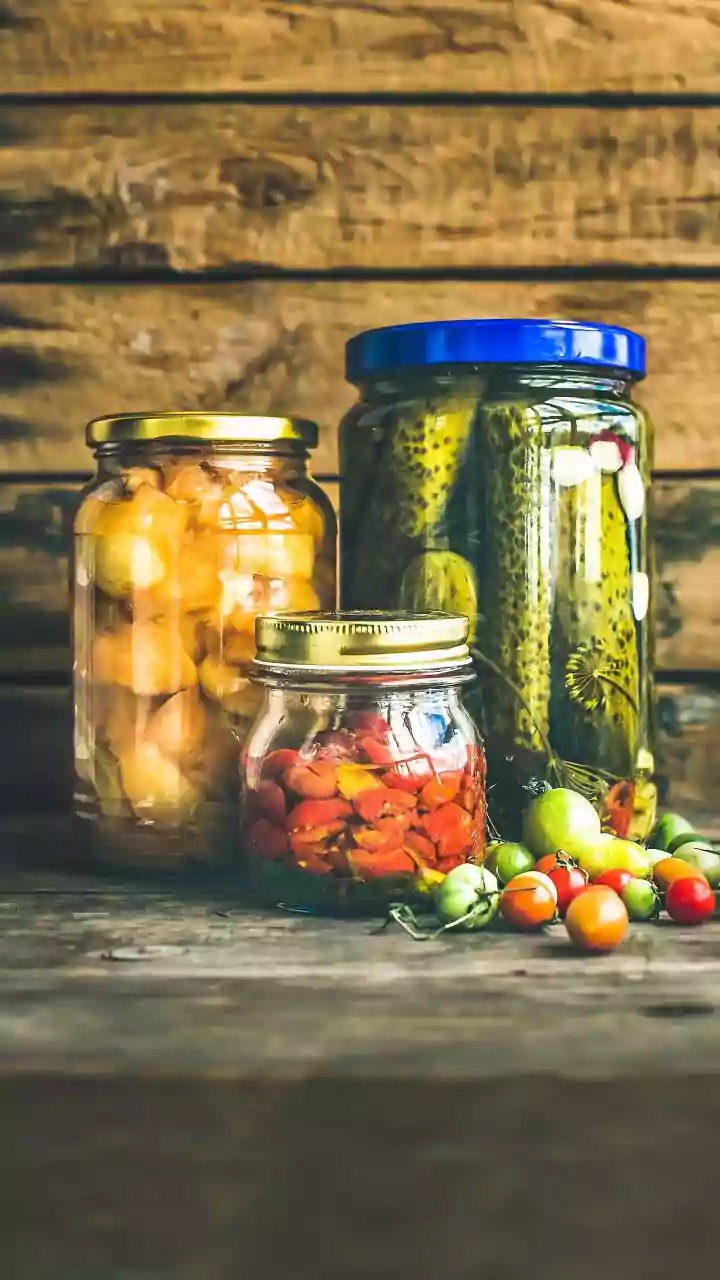
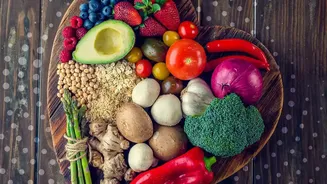
Before panicking over your favourite packaged snack, let's clarify the term. The most widely used system, the NOVA classification, divides food into four groups based on their level of processing. Group 1 is unprocessed or minimally processed foods like
fruits, vegetables, and plain dal. Group 4, 'ultra-processed foods' (UPFs), are at the other end of the spectrum. These are not just foods with added salt or sugar; they are industrial formulations made with substances you wouldn't typically use in a home kitchen. Think ingredients like high-fructose corn syrup, hydrogenated oils, protein isolates, and cosmetic additives like colours, emulsifiers, and artificial flavours. Common examples include instant noodles, sugary fizzy drinks, packaged chips and cookies, and many ready-to-eat meals. Their main purpose is to be convenient, have a long shelf-life, and be hyper-palatable, making them easy to overeat.
The Science on Health Risks
The concern around UPFs comes from a growing body of research. A recent large-scale analysis of 51 studies involving nearly 9 million people found that higher consumption of UPFs was associated with a greater risk of multiple chronic health issues. These include digestive diseases, high blood pressure, metabolic syndrome, and even death from any cause. The study indicated that with every 100-gram increase in daily UPF intake—roughly the size of a large cookie or two hot dogs—the risk of cardiovascular events rose by 14% and cancer by 4%. These foods are often high in calories, unhealthy fats, sugar, and salt, while being low in fibre and essential nutrients. Researchers believe the combination of their poor nutritional profile and the complex mix of industrial additives may contribute to inflammation and other negative health effects.
Why the 'UPF' Label Isn't the Whole Story
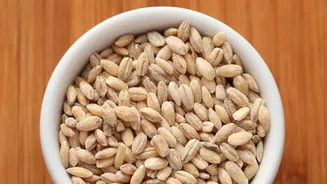
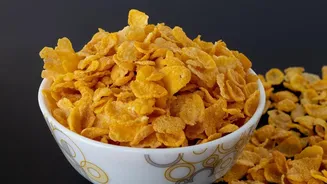
Here's where it gets nuanced. While the evidence on risks is compelling, nutrition experts caution against viewing 'ultra-processed' as a simple 'bad' label. The category is very broad and includes some items that can be part of a healthy diet, like whole-grain breads or cereals. One Harvard study noted that while processed meats were strongly associated with mortality, the overall risk for all UPFs was more modest. The bigger takeaway, which the headline points to, is that the overall quality of your diet matters more than obsessing over a single category. A diet heavy on fried foods, sweets, and refined grains will be unhealthy regardless of whether the ingredients are 'ultra-processed' or made at home. Conversely, a diet rich in whole foods can likely accommodate the occasional packaged snack without derailing your health. Evidence suggests that a dietary pattern is more likely to influence health than any single food.
Building a Better Dietary Pattern
Instead of trying to eliminate every UPF, a more sustainable approach is to focus on what you're adding to your plate. The goal is to shift the balance of your diet towards minimally processed foods. In India, where sales of UPFs are rising rapidly and replacing traditional foods, this is especially relevant. Start with small, manageable swaps. Choose water or shikanji over a fizzy drink. Snack on fresh fruit or nuts instead of a packet of chips. Try cooking more meals at home where you control the ingredients. When you do buy packaged foods, read the label. Look for shorter ingredient lists with names you recognise. Prioritising a variety of vegetables, fruits, whole grains, and lean proteins is the foundation of a healthy eating pattern that nourishes your body far more effectively than simply avoiding one type of food.