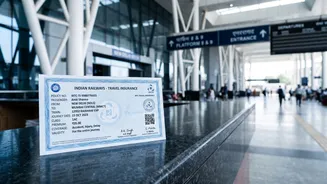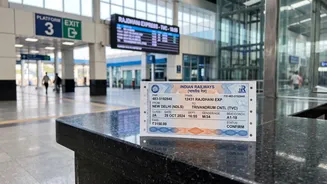






Indian Railways has extended its optional travel insurance to passengers booking at physical ticket counters, a facility previously exclusive to online bookings. For a nominal fee, this scheme offers a significant safety net for millions.
A Major Step for Passenger Security
In a significant
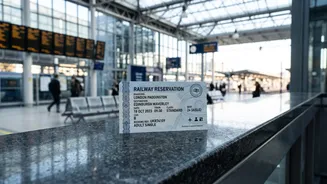
move for passenger welfare, Indian Railways has expanded its optional travel insurance scheme to cover tickets purchased at Passenger Reservation System (PRS) counters. Effective from October 27, 2026, this decision extends the same financial protection, long available to online bookers, to the millions of passengers who buy their reserved tickets in person. The move follows a directive from the Supreme Court, ensuring that access to this low-cost safety net is not limited by a passenger's ability to book online. The core principle is simple: the terms, premium, and coverage that apply to IRCTC's online e-tickets now apply to counter bookings as well.
How to Opt-In at the Counter
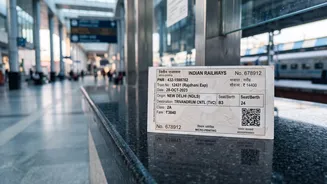
Getting insured at the counter is straightforward. When filling out the reservation form, you simply need to indicate that you want to opt for the travel insurance. The key requirements are providing a valid mobile number and paying for the ticket and premium digitally. The premium is just 45 paise per passenger, inclusive of taxes. Due to the tiny amount, cash payment for the premium is not accepted; the entire transaction must be completed via UPI, debit card, credit card, or other digital means. Once the booking is complete, the policy details will be sent directly to your registered mobile number by the insurance company. This facility is available for all passengers with confirmed, RAC, or partially confirmed tickets, including children aged five and above.
What the 45-Paise Insurance Covers
For less than half a rupee, the coverage provided is substantial. The policy is designed to offer financial support in the event of a train accident or other 'untoward incidents' as defined by the Railways Act, which can include things like robberies or accidental falls. The compensation structure is uniform across all travel classes. It provides a payout of up to ₹10 lakh for death or permanent total disability. In the case of permanent partial disability, the coverage is up to ₹7.5 lakh. The policy also includes up to ₹2 lakh for hospitalization expenses due to injury and ₹10,000 for the transportation of mortal remains. This coverage applies from the time you board the train until you disembark at your destination.
The Fine Print: Exclusions and Nominee Details
While the coverage is broad, there are important conditions. The insurance is only available to Indian citizens and does not apply to unreserved general class tickets or suburban train journeys. Children under the age of five are not eligible for this scheme. The insurance does not cover incidents resulting from self-inflicted injuries. It is crucial for passengers to fill in their nominee details after receiving the policy information link via SMS or email. This step is vital to ensure that in the unfortunate event of a claim, the rightful heir can receive the compensation without significant delays or legal hurdles. The insurance providers are assigned from a panel of companies partnered with IRCTC, which has included firms like Liberty General Insurance, Royal Sundaram, and United India Insurance.
The Claim Process and Is It Worth It?
Should a claim be necessary, the passenger or their nominee must contact the designated insurance company directly. The process typically requires the submission of the PNR number, policy details, and relevant documents related to the incident, such as medical reports or an FIR in case of an accident. Claims must generally be filed within four months of the incident. Given the incredibly low premium of 45 paise against a potential coverage of up to ₹10 lakh, the scheme offers exceptional value for money. For virtually every passenger traveling on a reserved ticket, opting for this insurance is a prudent decision. It provides a robust financial cushion against unforeseen tragedies during a train journey for a cost that is almost negligible.