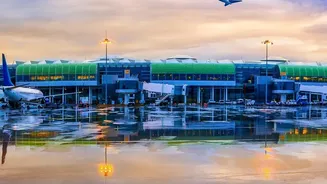









A Renewed Appetite for Global Exploration
The post-pandemic travel boom is not just a catchphrase; it's a reality reflected in bustling airports and soaring booking numbers. Outbound tourism from India has surpassed pre-pandemic levels, with millions of travellers eager to make up for lost time.
This resurgence is driven by a mix of factors: reconnecting with family and friends living abroad, deferred honeymoons and milestone vacations, and the flexibility offered by remote work. The sentiment is clear: the experience of travel is being prioritised, even if it comes at a premium. There is also a growing trend of experience-led travel, where Indians are planning trips around cultural events, festivals, and specific interests rather than just sightseeing.
The Sticker Shock in the Skies
The primary hurdle for today's traveller is the cost of getting there. International airfares from India have seen a sharp increase, and several factors are contributing to this. High global prices for Aviation Turbine Fuel (ATF), which can account for up to 40-50% of an airline's operating costs in India, is a major driver. Furthermore, a robust rebound in travel demand has outpaced the supply of available seats on many popular routes. Airlines are also dealing with their own post-pandemic financial recovery and ongoing geopolitical issues that force longer, more expensive flight paths. This combination creates a perfect storm for pricey tickets, especially for sought-after destinations in Europe and North America.
Where in the World Are Indians Going?
Despite the costs, the map of popular destinations remains a mix of the familiar and the new. Short-haul destinations like Dubai, Thailand, Singapore, Malaysia, and Vietnam continue to be immensely popular, thanks to good flight connectivity, cultural familiarity, and relatively lower overall trip costs. Visa-free access or visa-on-arrival facilities for countries like Malaysia, Sri Lanka, and Thailand also make them highly attractive for spontaneous and budget-conscious planners. For long-haul travel, Europe remains an aspirational dream, with Switzerland and France topping the list for many. However, a growing number of travellers are also exploring offbeat destinations like Albania, Japan, and even parts of Africa, seeking unique cultural experiences beyond the usual circuit.
How Travellers Are Adapting to the New Reality
The high cost of travel isn't stopping people, but it is making them smarter planners. There's a noticeable shift towards booking trips further in advance—often three to six months ahead—to lock in better prices. Many are also showing more flexibility with their travel dates, opting to fly during off-peak or shoulder seasons to save on airfare. August and September, for example, are often seen as a sweet spot for lower fares between the summer and festive rushes. Budget-consciousness is also driving destination choices, with a surge in searches for 'budget international trips' and 'visa-free countries'. Travellers are increasingly choosing destinations like Vietnam or Sri Lanka, where the on-ground costs for accommodation and food are lower, helping to offset the higher price of the flight.