







The All-Important Caffeine Question
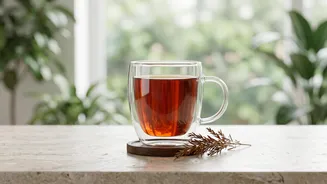
The most significant difference between rooibos and traditional teas is caffeine. Black and green teas are made from the leaves of the Camellia sinensis plant, which naturally contains caffeine. Rooibos, on the other hand, comes from the Aspalathus linearis
shrub, a plant entirely unrelated and genetically free of caffeine. This makes rooibos an excellent choice for anyone looking to reduce their caffeine intake, whether due to sensitivity, anxiety, or a desire for an evening beverage that won't interfere with sleep. While a cup of black tea can provide a morning jolt, a cup of rooibos offers a soothing ritual any time of day or night.
A Different Set of Antioxidants
Black and green teas are celebrated for their high antioxidant content, particularly compounds like catechins (in green tea) and theaflavins (in black tea). Rooibos holds its own with a completely different and impressive antioxidant profile. It is uniquely rich in a potent antioxidant called aspalathin. Some research suggests aspalathin and other flavonoids in rooibos may help protect against inflammation and support heart health. While some studies suggest green tea may have a higher overall antioxidant count, the compounds in rooibos, like aspalathin and nothofagin, offer a different set of protective benefits, including potentially helping to lower stress hormones. By drinking both, you can give your body a broader range of these helpful plant compounds.
Flavour Profile: Smooth and Sweet vs. Bold and Bitter
If you've ever left a green or black tea bag in your mug for too long, you're familiar with the bitter, astringent taste that can develop. This is due to tannins, naturally occurring compounds that can also sometimes interfere with iron absorption. Rooibos is naturally very low in tannins. The result is a brew that is remarkably smooth, naturally sweet, and never bitter, no matter how long you steep it. Its flavour is often described as earthy and nutty, with hints of vanilla or honey. While black tea is bold and robust and green tea is fresh and sometimes grassy, rooibos offers a full-bodied yet gentle alternative that many enjoy without any added sugar or milk.
Brewing and Versatility
The forgiving nature of rooibos makes it one of the easiest teas to brew. Unlike delicate green teas that can be scorched by boiling water, rooibos thrives in high heat. Simply use boiling water and steep for at least 5 to 7 minutes to draw out its full flavour and benefits; some even recommend 10 minutes or more. Because it lacks bitterness, there's no risk of 'over-steeping'. This versatility extends to how you serve it. Rooibos is delicious hot, makes a fantastic iced tea, and pairs well with milk, honey, lemon, or spices, making it a great base for lattes and other creative drinks.