



The Slow Magic of Fermentation
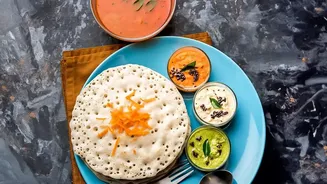
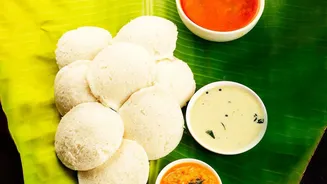
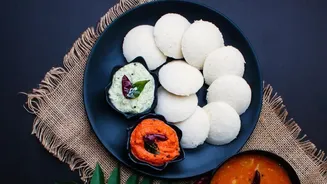
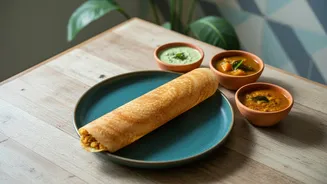
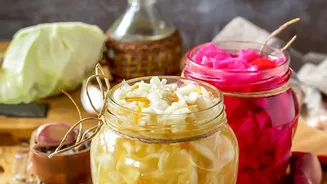
In South India, the art of the batter is synonymous with fermentation. The iconic batters for idli and dosa are not instant affairs; they are living ecosystems. A simple blend of soaked rice and urad dal (black gram) is left to rest for 8 to 12 hours
in a warm spot. During this time, naturally occurring lactic acid bacteria and wild yeasts get to work. These microorganisms feed on the starches, releasing carbon dioxide and lactic acid. The gas creates tiny bubbles, leavening the batter and making the resulting idlis incredibly soft and dosas light and crisp. The lactic acid provides that characteristic tangy flavour and also breaks down anti-nutrients in the grains, making them easier to digest. This slow, patient process is a perfect example of how traditional methods harness natural science for spectacular culinary results.
Instant Gratification: Leavening on Demand
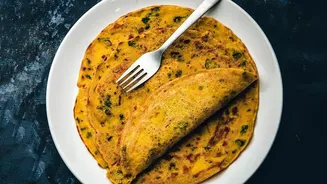
In contrast to the slow fermentation of the south, many regional batters are designed for speed. Take the beloved pakora, a staple across the country. Its batter is typically made from besan (gram flour) and comes together in minutes. Here, the texture comes from different principles. The goal is often a light, crispy coating. Some recipes achieve this by adding a small amount of rice flour or cornstarch to the besan, which absorbs less oil and creates a more delicate crunch. Similarly, Gujarati khaman is known for its instant fluffiness. Unlike traditional dhokla, which uses a fermented batter of rice and lentils, khaman is made with besan and gets its spongy texture from a leavening agent like fruit salt (Eno) or baking soda activated by an acid like lemon juice. This chemical reaction creates a burst of carbon dioxide right before steaming, instantly aerating the batter.
Mastering the Flow: Why Consistency Is Key
The term 'speed' in a batter context can be understood as its viscosity or consistency—how thick or thin it is. This is perhaps the most crucial variable a cook controls. A thin, flowing batter is essential for a paper-thin dosa or a lacy, crisp rava dosa. If the batter is too thick, it won't spread properly on the hot tawa. Conversely, a thick, dropping consistency is needed for fluffy vadas or spongy dhoklas, allowing them to hold their shape and trap air bubbles. For pakoras, the batter should be just thick enough to coat the vegetables without creating a heavy, doughy layer; too much batter leads to a soggy result. The key is the ratio of flour to water. Cooks often adjust this by the spoonful, knowing that even a small change can dramatically alter the final dish. Many recipes advise letting a batter rest for 15 to 30 minutes, which allows the flour to fully hydrate, improving its consistency and final texture.
The Building Blocks of Texture
Beyond fermentation and consistency, the choice of flour itself is fundamental. Rice flour is a hero ingredient for creating crispiness, as it contains no gluten and fries up light and shatter-like. This is why it's a common addition to besan batters for pakoras and why rice is the base for crisp dosas. The coarseness of the grind also matters; a slightly coarse rice grind contributes to a crispier dosa. On the other hand, besan provides a distinct nutty flavour and excellent binding properties, making it the foundation for pakoras and khaman. Other ingredients act as texture modifiers. A small amount of poha (beaten rice) or cooked rice can be added to dosa batter to yield a softer texture. Semolina (suji or rava) is often added to batters like dhokla or even pakora for a slightly granular, firm bite. These additions are regional secrets, passed down to fine-tune a dish from merely good to perfect.