




The Chutney That Defines a Meal
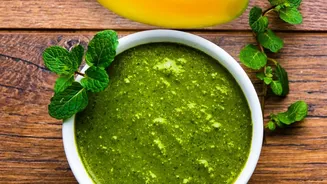
Green chutney, or hari chutney, is more than just a condiment in Indian cuisine; it’s an essential component that can make or break a dish. It's the zesty spread in a Bombay sandwich, the cooling dip for a hot samosa, and the flavourful drizzle over a plate
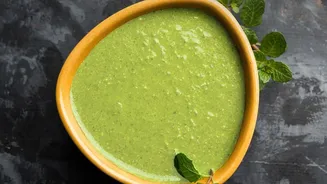
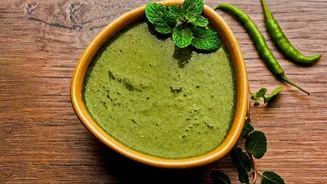
of dahi puri. The version served in restaurants and hotels, however, often seems to have a special magic. It boasts a brilliant green colour that doesn't fade, a silky-smooth texture, and a perfectly balanced taste that’s tangy, spicy, and fresh all at once. Many home versions, by contrast, can turn dark, become watery, or taste bitter. The good news is that achieving that professional quality at home is surprisingly simple once you know the techniques.
Cracking the 'Hotel-Style' Code
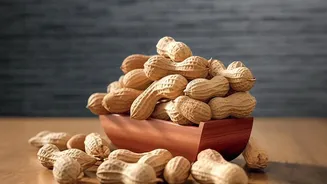
The difference between standard homemade chutney and the hotel version comes down to a few key details that address colour, texture, and flavour balance. The primary challenge is oxidation, the process that turns fresh herbs dark and dull when exposed to air and the heat from a blender's blades. Restaurants combat this with a clever trick: using ice or ice-cold water during blending. This keeps the ingredients cold, preserving the chlorophyll in the herbs and locking in that vibrant green hue. For a luxuriously smooth and thick consistency that doesn’t separate, many chefs add a binding agent. This could be anything from roasted peanuts or fried gram dal (chana dal) to even a bit of sev or plain yogurt, which adds body and a subtle richness. Finally, the flavour is meticulously balanced so that no single ingredient, especially mint, overwhelms the others.
The Essential Ingredients
While recipes vary slightly, a classic hotel-style green chutney revolves around a core set of ingredients. For a generous batch, you will need: Herbs: 2 cups of fresh coriander leaves (dhaniya), packed, and 1 cup of fresh mint leaves (pudina). Using more coriander than mint is crucial to avoid bitterness. Spice: 2-4 green chillies, adjusted to your heat preference. Aromatics: 1-inch piece of ginger and 2-3 cloves of garlic for depth. Tang: The juice of 1 large lemon, which not only adds brightness but also helps preserve the colour. Thickener: 2 tablespoons of roasted gram dal (putani/chana dal) or a handful of plain sev. Roasted peanuts are also a great option. Seasoning: 1 teaspoon of roasted cumin powder, ½ teaspoon of chaat masala, and salt to taste. * The Secret Weapon: A few ice cubes or 2-3 tablespoons of chilled water.
Step-by-Step to Perfection
Making the chutney is a quick process once your ingredients are ready. Start by thoroughly washing your coriander and mint leaves. Be sure to use only the mint leaves, as the stems can impart a bitter taste. You can, however, use the tender stems of the coriander, which are full of flavour. 1. In a blender jar, add the ginger, garlic, and green chillies first and give them a quick pulse to break them down. 2. Next, add the coriander leaves, mint leaves, roasted gram dal (or your chosen thickener), cumin powder, chaat masala, and salt. 3. Top the ingredients with the lemon juice and a few ice cubes. 4. Blend the mixture until it becomes a smooth, fine paste. Start with a few pulses before blending continuously. Scrape down the sides of the blender as needed to ensure everything is incorporated evenly. Avoid over-blending, which can generate heat. If the chutney is too thick, add a tablespoon of chilled water and blend again until you reach your desired consistency. 5. Once smooth, taste and adjust the salt or lemon juice if necessary. Your hotel-style green chutney is now ready.
Storing and Serving Your Chutney
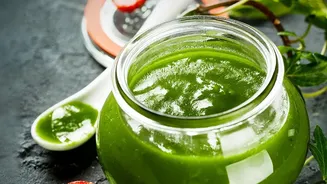
To keep your green chutney fresh and vibrant for as long as possible, store it in an airtight glass container in the refrigerator. It should stay fresh for up to a week. The lemon juice and cold blending process will help maintain its colour, but a thin top layer might still darken slightly over time; simply give it a stir before using. Some people even freeze chutney in ice cube trays for long-term storage, popping out a cube whenever needed. This versatile condiment truly works with everything. Spread it on bread for a classic chutney sandwich, perhaps layered with cucumber, tomato, and onion. Serve it as a dip with samosas, pakoras, dhokla, or kebabs. Drizzle it over your favourite chaat, from bhel puri to aloo tikki, for that signature tangy kick. You can also mix it with yogurt to create a refreshing raita, perfect for accompanying biryanis and parathas.