

Start With Forgiving Grains
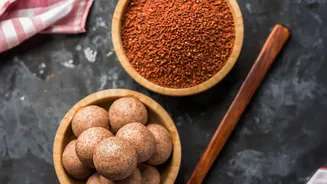
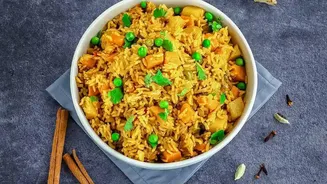
Instead of immediately trying to master a complex flatbread, begin your journey with grains that are easier to handle. Foxtail millet (kangni) and little millet (kutki) are fantastic starting points because they can be cooked much like rice. A simple
approach is to use them as a base for a pulao or khichdi. Toasting the millet in a dry pan for a couple of minutes before adding water can enhance its nutty flavour. A general rule of thumb is a 1:2 grain-to-water ratio, but always check the packaging, as different millets can have slightly different requirements. This method allows you to get comfortable with the taste and texture of millets without the pressure of complex techniques.
Master One Flatbread at a Time
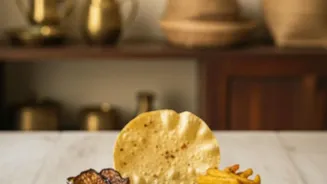
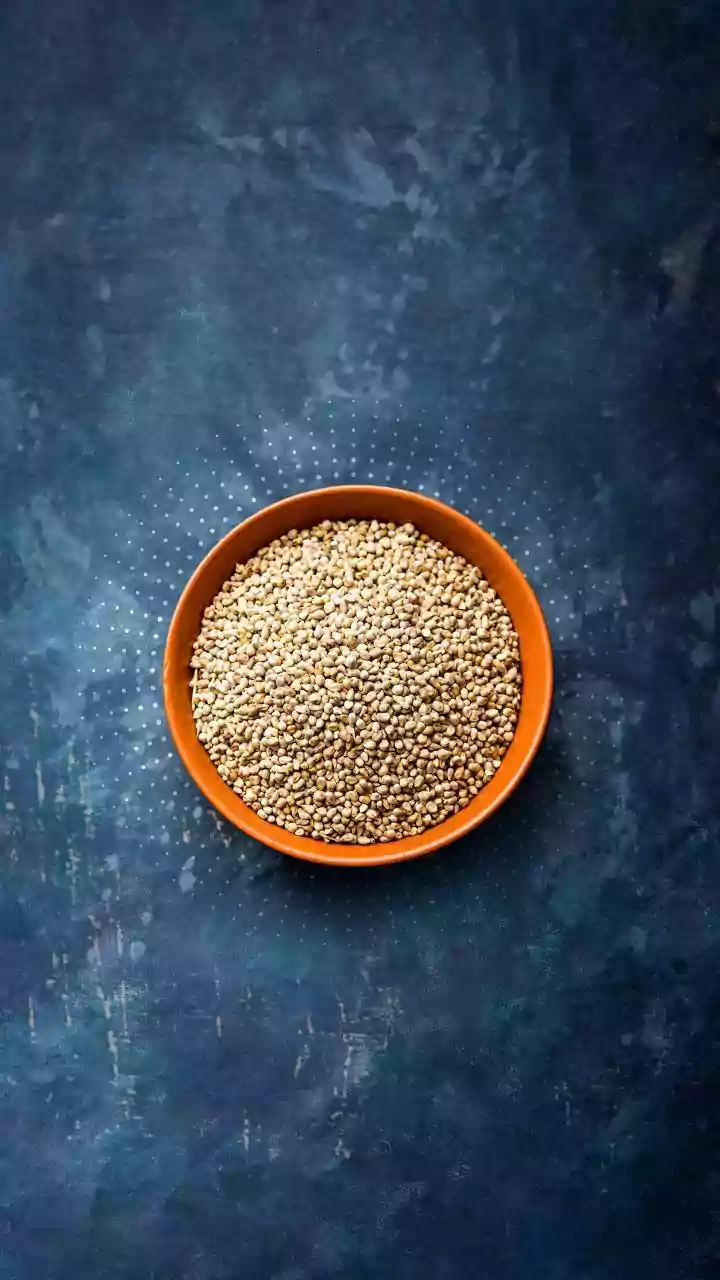
The bhakri or rotla is a cornerstone of regional grain cooking, but working with gluten-free flours like jowar (sorghum) and bajra (pearl millet) is a skill. Don't try to learn them all at once. Pick one, like jowar roti, and focus on getting it right. The most important trick for beginners is to use hot, almost boiling, water to make the dough. This helps the flour bind together and makes it more pliable. Knead the dough while it's still warm to get a soft, smooth consistency. Don't worry about getting a perfect circle at first; even small cracks at the edges are normal. The goal is to understand the feel of the dough. Once you're confident with jowar, you can apply similar principles to bajra or ragi.
Get the Right Basic Tools
You don’t need a kitchen full of specialised equipment, but a few key items make cooking with regional grains much easier. A good 'tawa' (a flat or slightly concave griddle) is essential for making flatbreads like bhakri. A pair of 'chimta' (tongs) helps in flipping the roti and cooking it directly on the flame to make it puff up. For preparing the dough, a 'parat' (a wide, rimmed plate) gives you the space needed to knead gluten-free flours properly. Lastly, a heavy-bottomed pan or a pressure cooker is invaluable for making millet-based dishes like khichdi and upma, ensuring even heat distribution and preventing the grains from sticking and burning.
Try Modern, Forgiving Recipes
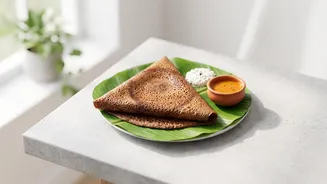
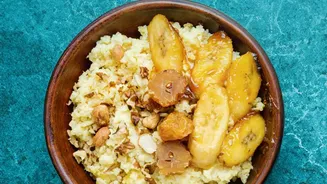
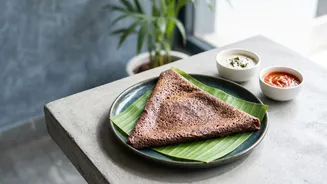
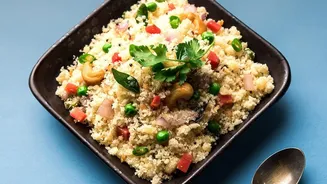
Traditional dishes are fantastic, but modern interpretations can be more forgiving for a novice cook. Instead of a traditional bhakri, why not try an instant jowar or ragi dosa? The batter is made simply by mixing the flour with water, salt, and spices to a thin consistency and then pouring it onto a hot tawa. Another great option is upma. You can substitute semolina with foxtail millet or jowar flour for a healthier, gluten-free version. These recipes are less dependent on precise dough handling and give you a delicious feel for the flavours of these grains. Millet salads, porridges, and even baked goods like cookies are other accessible ways to incorporate these grains into your diet.
Understand the Prep Work
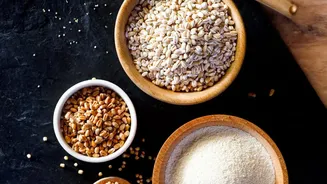
One of the most common mistakes beginners make is not preparing the grains properly. Unlike rice, many whole millets benefit from soaking. Soaking for at least a few hours helps to break down phytic acid, making the grains easier to digest and improving nutrient absorption. It also softens the grain, leading to a better final texture. When it comes to flours, always ensure they are fresh. Millet flours can go rancid more quickly than wheat flour, so it's best to buy them in small quantities or store them in the refrigerator to maintain their flavour. Properly rinsing whole millets under running water before cooking is also crucial to remove any dust or debris for a cleaner taste.