




Why Texture is the Secret Ingredient
When you remove bold colour from a room, other design elements have to work harder. Texture becomes the star. It refers to the surface quality of a material—how it looks and feels. A room filled with only smooth, uniform surfaces lacks visual depth and can
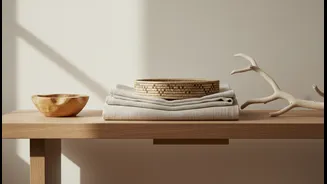
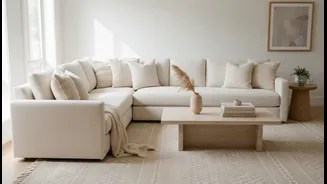
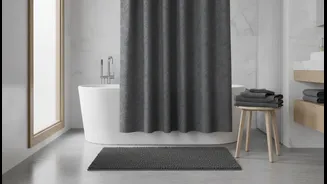
feel cold. By layering different textures, you create subtle contrast and interest that invites the eye to explore and the hand to touch. It’s what makes a neutral space feel rich, complex, and intentional rather than unfinished. Designers often talk about creating a visual and tactile experience; mixing rough with smooth, matte with sheen, and soft with hard is how they achieve this in a neutral palette.
Build from the Ground Up
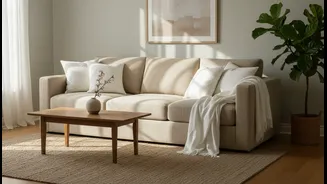
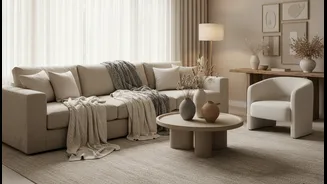
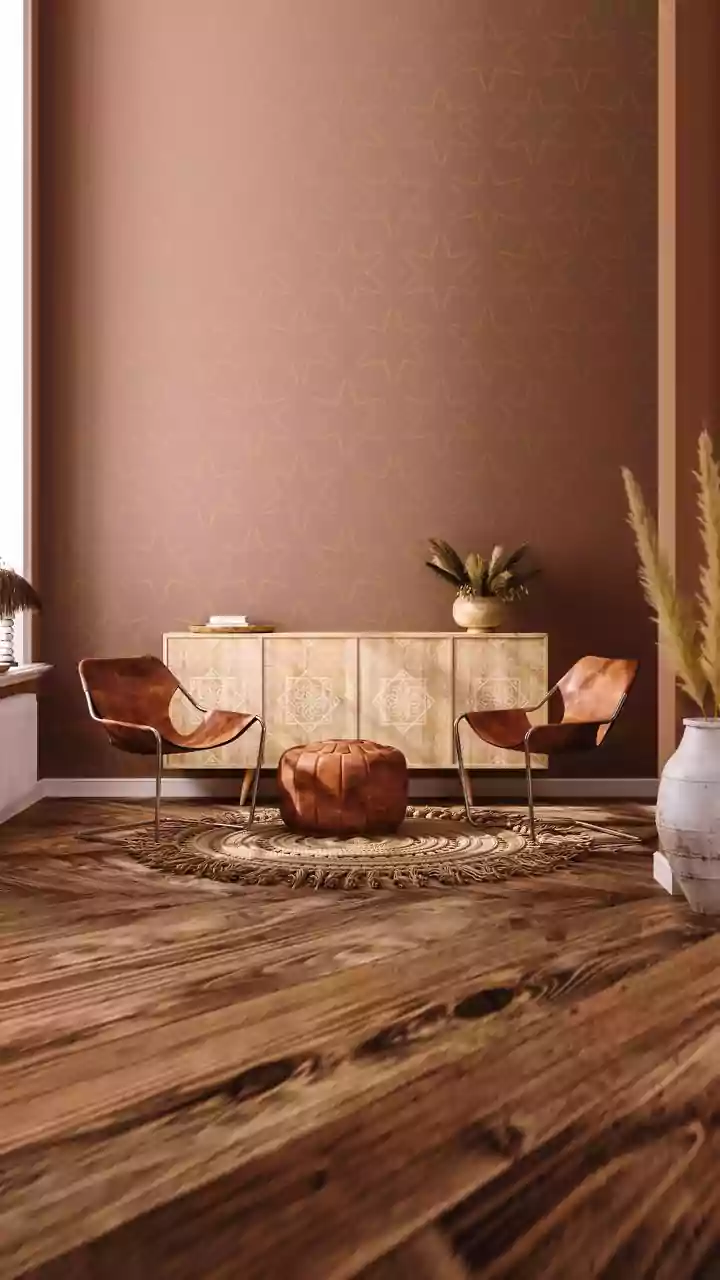
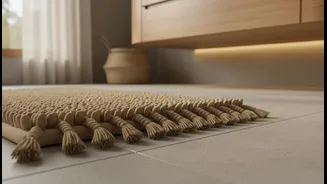
Your largest surfaces are the foundation of your textural story. Instead of a standard flat paint, consider a limewash or grasscloth wallpaper to give your walls an immediate sense of depth and organic movement. For flooring, the natural warmth of wood is a classic choice that balances cooler neutral tones. The key is to layer on top of this base. A large rug made from natural fibres like jute or sisal can define a space, and you can even layer a smaller, plusher wool or vintage rug on top to add another dimension of softness and pattern. This foundational layering makes the entire room feel more grounded and considered.
Vary Your Upholstery and Textiles
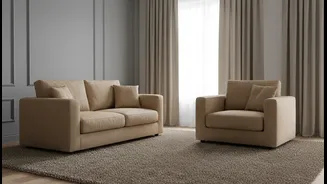
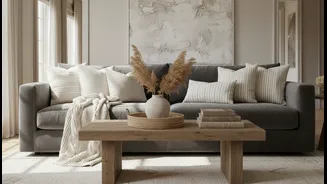
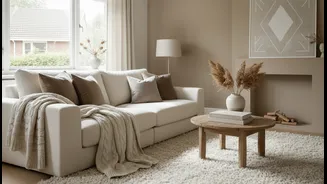
The easiest way to introduce a rich variety of textures is through fabrics. Think beyond a matching three-piece suite. A sofa in a soft, woven linen can be beautifully contrasted with an armchair in tactile bouclé or smooth leather. This principle of contrast is crucial. Once your main furniture is in place, the real fun begins with smaller textiles. Layer throws and cushions with different weaves and weights. A chunky knit blanket, velvet pillows, and crisp linen cushions can coexist beautifully in the same colour family, adding warmth and personality. These elements are easy to swap out, allowing you to refresh the feel of the room without a major investment.
Incorporate Wood, Stone, and Metal
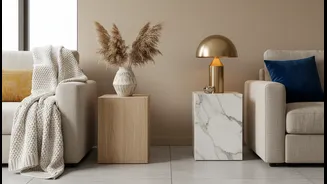
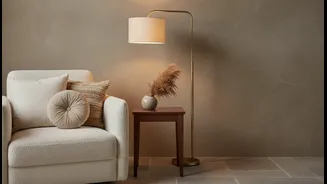
Texture isn’t just about soft things; hard surfaces provide essential contrast. A rustic wood coffee table introduces a natural, grounding element against a soft sofa. Smooth, cool materials like marble or travertine for a side table or console add a touch of quiet luxury. Don't overlook metal finishes. Mixing warm metals like brushed brass with cool ones like matte black in lighting fixtures, curtain rods, or decorative objects creates a sophisticated, timeless feel. The interplay between these different hard materials—wood, stone, and metal—adds a layer of refinement that prevents the room from feeling monotonous.
Finish with Organic and Sculptural Forms
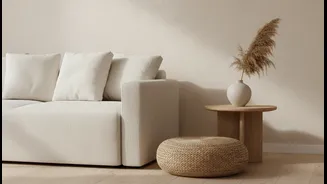
The final layer involves decorative objects that bring both texture and shape into the room. Organic elements are a simple way to add life and a less structured feel. Think of a vase filled with dried branches, a collection of shells, or the ever-present houseplant. Plants not only add a touch of green but also introduce natural, complex forms. Furthermore, pay attention to the shape of your accessories. A sculptural ceramic lamp, a fluted vase, or an interesting piece of art creates focal points and introduces curves and angles that break up the straight lines of furniture. These final touches are what make a space feel soulful and uniquely yours.