



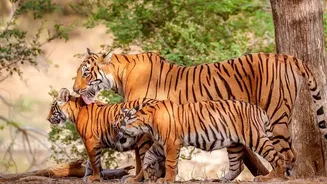
Dreaming of spotting a tiger in its natural habitat but daunted by the complex planning? For Mumbai's wildlife enthusiasts, IRCTC's bundled tours offer a streamlined solution, handling everything from travel to safaris.
The All-in-One Wildlife Solution
Planning a trip to a national park
involves a tedious checklist: booking train tickets, finding suitable accommodation near the reserve, arranging local transport, and, most crucially, securing elusive safari permits. IRCTC, in partnership with the Maharashtra Forest Department, has simplified this entire process with its 'Vandarshan' wildlife packages. These all-inclusive tours bundle all the essential components into a single booking. A typical package includes confirmed train tickets, hotel stays in partner resorts, all meals as per the itinerary, local AC vehicle transfers between stations and hotels, and, most importantly, pre-arranged jungle safari permits. This integrated approach removes the hassle and uncertainty, making wildlife tourism more accessible for everyone from families to solo photographers.
Destinations at Your Doorstep
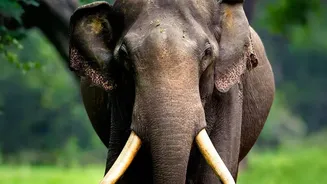
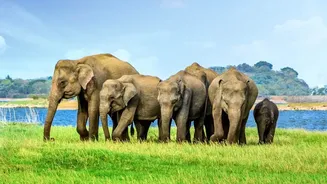
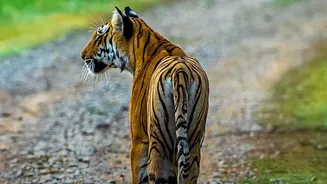
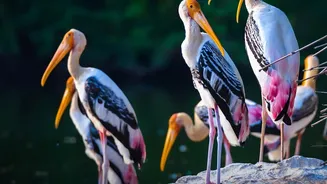
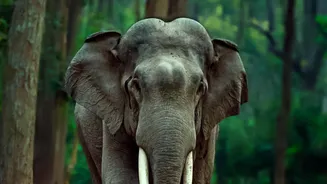
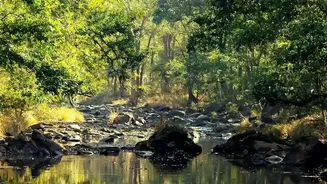
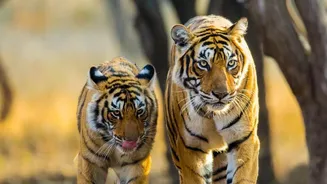
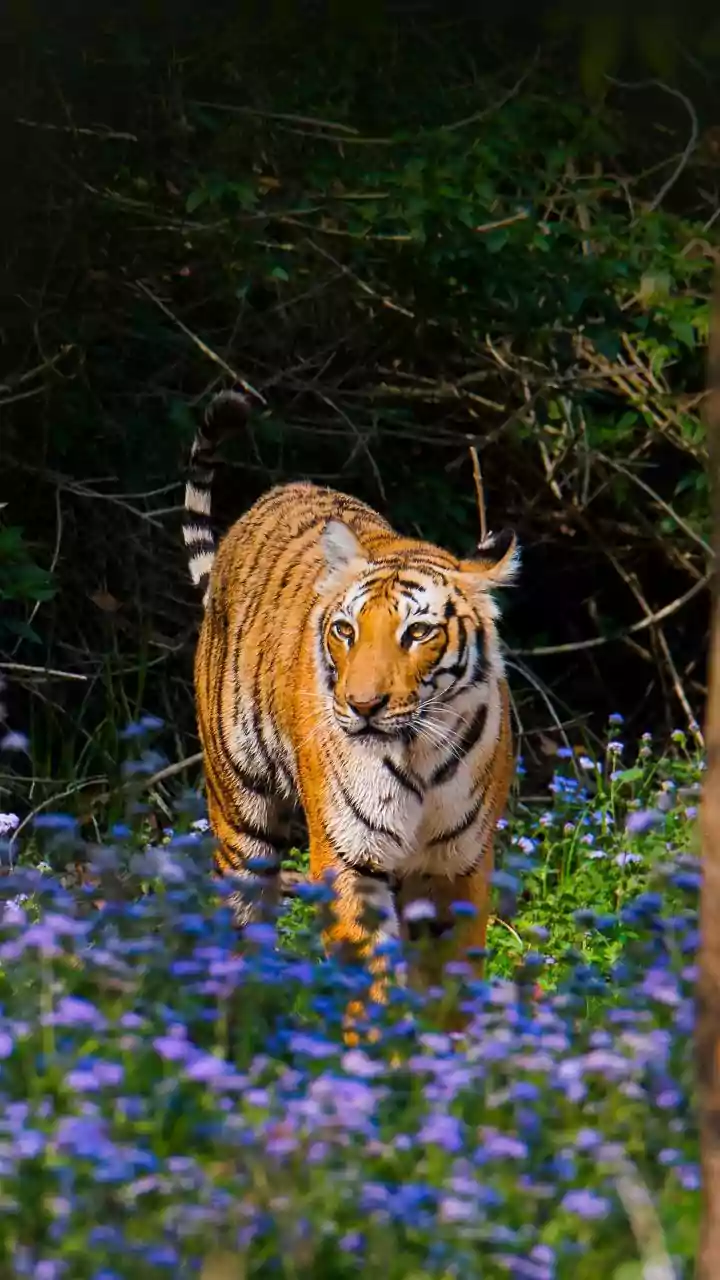
The 'Vandarshan' tours primarily focus on the rich biodiversity of Maharashtra's tiger reserves, all accessible via an overnight train journey from Mumbai. The packages launched in late 2026 feature five distinct itineraries that often pair the famous Tadoba-Andhari Tiger Reserve with other significant wildlife sanctuaries. Travelers can choose from combinations like Tadoba with Bor Tiger Reserve, Tadoba with Navegaon-Nagzira Tiger Reserve, or Pench Tiger Reserve with Umred-Karhandla Wildlife Sanctuary. These options allow visitors to experience different forest ecosystems and maximise their chances of wildlife sightings, including the Royal Bengal Tiger, leopards, sloth bears, and a variety of deer and bird species.
A Look at a Typical Itinerary
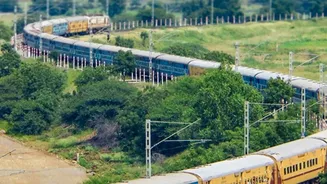
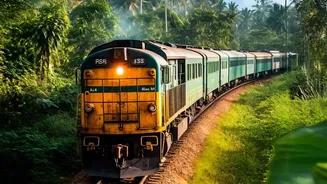
Most tours are structured as a four-night, five-day journey. A traveller from Mumbai would typically board the Vidarbha Express (12105) on a Thursday evening from CSMT or other designated stations like Dadar and Thane. After an overnight journey, they arrive at a station like Wardha or Nagpur the next morning, where a vehicle awaits to transfer them to their resort near the national park. The following days are dedicated to morning and afternoon jungle safaris in open-top gypsys. The package usually includes two or more safaris, allowing ample opportunity for exploration. After the final safari, guests are transferred back to the railway station for their return journey, arriving back in Mumbai on a Monday morning.
How to Book Your Adventure
Booking these packages is straightforward and can be done entirely online through the official IRCTC Tourism website. Prospective travellers can navigate to the 'Holidays' section and select 'Tour Packages'. From there, they can filter by origin city (Mumbai) to see the available 'Vandarshan' wildlife tours. Each package listing provides comprehensive details, including the itinerary, inclusions, exclusions, and cost. It's important to note that these packages have limited seats—often just six berths in 2AC and six in 3AC for each departure date—so booking well in advance is highly recommended. Prices for a five-day tour start at approximately ₹29,500 per person, varying by the itinerary and accommodation class chosen.
The Pros and Cons of Bundled Tours
The primary advantage of an IRCTC wildlife tour is convenience. The stress of coordinating multiple bookings is eliminated, and the inclusion of confirmed safari permits is a major benefit, as these are often the hardest part to secure independently. These packages offer a high degree of reliability and safety, being managed by a government entity. However, this structured approach might not appeal to everyone. The itineraries are fixed, offering little flexibility for independent exploration. As these are group tours, you will be sharing safari vehicles and transfers with other travellers. For those who prefer a completely customised and private experience, these packages may feel restrictive, but for most, they represent an efficient and cost-effective gateway to the wild.