





From Startup to Space Pioneer
Founded in 2018 by former ISRO scientists Pawan Kumar Chandana and Naga Bharath Daka, Skyroot Aerospace has quickly become a trailblazer in India's private space sector. The company made history in November 2022 with the launch of Vikram-S, India's first
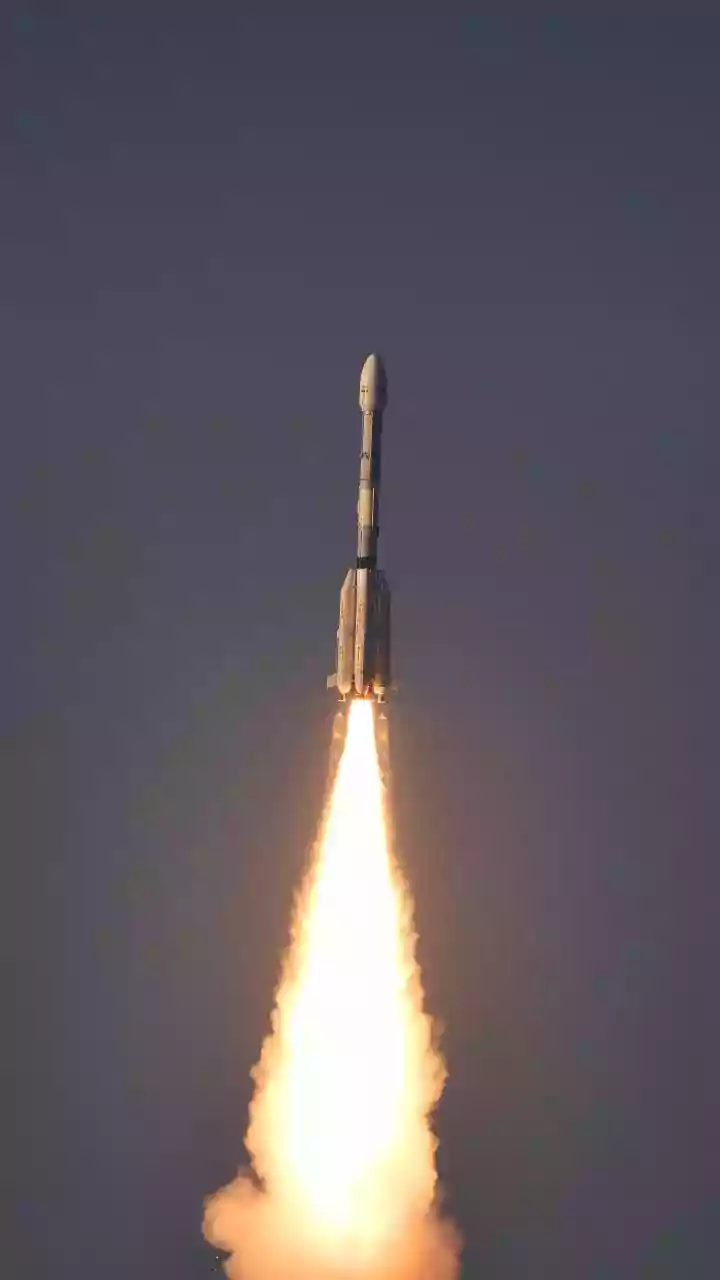
privately developed rocket to reach space on a suborbital flight. This was followed by an even greater milestone in July 2026, when their Vikram-1 rocket successfully reached orbit on its first attempt, a rare feat for any private company globally. This launch, named 'Aagaman', placed India alongside the US and China as one of the few nations with private orbital launch capability. The company's vision, as Chandana often describes it, is to be like a "cab service" for space, offering reliable and on-demand launch services for the booming small satellite market.
The Leap to a Monthly Cadence
Achieving one launch a month is the difference between demonstrating a capability and running a full-fledged commercial operation. Currently, after its historic first orbital launch, Skyroot is focused on analysis and repeatability. The company is planning a second test flight of Vikram-1 later this year before commencing commercial operations. CEO Pawan Kumar Chandana has stated that the target is to achieve a monthly launch cadence sometime next year. This doesn't just mean launching rockets; it requires a complete industrialisation of the process. While Skyroot already has a factory with the stated capacity to produce one rocket per month, reaching that output consistently is the next major challenge. The focus is now shifting from pure engineering to manufacturing excellence and disciplined operations to build rockets reliably at scale.
The Challenges of Scaling Up
The path from one successful launch to twelve a year is filled with immense logistical, technical, and regulatory hurdles. Building a rocket is complex, but building a business is arguably harder. The primary challenge is ensuring consistency and reliability; satellite operators have expensive payloads and cannot tolerate frequent failures. Skyroot must streamline its entire supply chain, of which over 90% is domestic, to ensure a steady flow of high-quality components. It also requires seamless coordination with regulatory bodies like IN-SPACe and access to ISRO's launch infrastructure at Sriharikota for each mission. Scaling up production from a handful of prototypes to serial manufacturing demands immense capital and a highly skilled workforce of hundreds, from avionics to launch operations.
Unlocking the Small Satellite Market
If Skyroot achieves its goal, the rewards are significant. A monthly launch schedule would position the company as a key player in the global small satellite launch market. This market is currently underserved, with satellite developers often having to wait for larger rideshare missions that may not go to their preferred orbit or timeline. Skyroot’s Vikram-1, designed to carry around 350 kg to low Earth orbit, offers a dedicated 'taxi' service, giving customers control over their schedule and destination. This high frequency of launches would create a reliable and predictable service, attracting both domestic and international customers. It would enable Skyroot to capture a significant share of India's rapidly growing space economy, which is projected to grow from around $8.4 billion today to over $40 billion by 2033.
A New Trajectory for 'Make in India'
Skyroot's ambition is a powerful symbol of the "Make in India" initiative and the country's broader space policy reforms, which opened the sector to private participation in 2020. The success of private players like Skyroot complements the decades of foundational work by ISRO, creating a more robust and diversified national space capability. A high-cadence private launch provider reduces India's reliance on foreign rockets and stimulates a domestic ecosystem of satellite manufacturing and space-related services. With over 400 space startups now active in the country, the success of a launch provider like Skyroot is critical, creating a ripple effect that boosts innovation, investment, and high-tech job creation across the nation.