



The Gateway to the Greater Caucasus
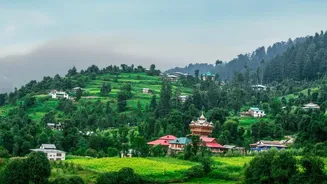
Tucked away in the Ismayilli region, about a three-hour drive from Baku, the path to Lahij village is a dramatic introduction to the wild beauty of the Greater Caucasus. The journey itself, often along a winding mountain road that cuts through spectacular
canyons and follows the Girdiman River, feels like a passage back in time. Before you even begin to hike, the landscape of majestic mountains, sheer cliffs, and lush greenery sets a grand stage. For many, the adventure starts with a stop at a scenic suspension bridge, offering incredible photo opportunities and a moment to absorb the scale of the surrounding nature before venturing toward the historic settlement.
A Path Through Mountain Meadows and Forests
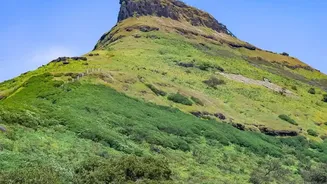
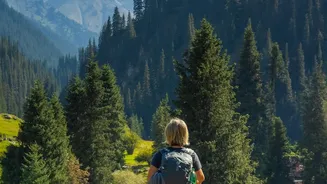
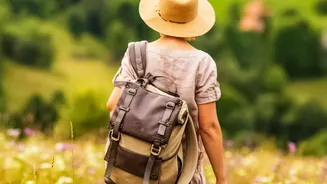
While there isn't one single, officially named 'Lahij Village Trail', several hiking routes lead to and around the village, catering to various skill levels. One popular route for experienced hikers starts from the nearby village of Muju, covering about 10 kilometers. This challenging trek involves a significant ascent through rocky paths, mountain meadows, and protected forests within Shahdag National Park before descending into Lahij. The reward for this effort is a series of breathtaking views overlooking the valley, with snow-capped peaks in the distance. These trails, used by local shepherds for centuries, offer an unparalleled immersion into the serene and rugged environment that has long isolated and preserved Lahij's unique culture.
Arrival in a Timeless Artisan Village
Emerging from the trail into Lahij itself is like stepping into another era. This ancient settlement, with a history spanning over 2,000 years, is a designated historical and cultural reserve. Its charm lies in its distinctive architecture: cobblestone streets paved with river stones and two-story houses built from the same material. The village is renowned for its remarkably advanced medieval infrastructure, including a sewage system that has functioned for over a thousand years. As you wander the main thoroughfare, 'Bazar Street', the rhythmic sound of hammering fills the air, a constant reminder of the village's living heritage.
The Heartbeat of Craftsmanship
The 'rural culture' mentioned in the headline beats strongest in Lahij's workshops. For centuries, this village has been a celebrated center for craftsmanship, particularly copperwork. This tradition is so significant that the 'Copper craftsmanship of Lahij' was inscribed on the UNESCO Representative List of the Intangible Cultural Heritage of Humanity in 2015. Visitors can freely walk into the 'misgerkhana' (workshops) to watch artisans transform sheets of copper into intricately engraved plates, jugs, and trays using techniques passed down through generations. Beyond copper, the village also has a history of over 40 different crafts, including leatherwork, blacksmithing, and carpet weaving, many of which are still practiced today.
Planning Your Journey
The best time to hike in and around Lahij is between late spring and early autumn (May to September), when the weather is mild and the mountain landscapes are in full bloom. Reaching Lahij typically involves taking a bus or car from Baku to the town of Ismayilli, followed by a local taxi for the final, scenic ascent. While some trails are suitable for casual walkers, others are more demanding and are best for experienced hikers. It's worth setting aside a full day to not only complete the hike but also to explore the village, interact with the artisans, and enjoy a cup of traditional tea. The inhabitants of Lahij are ethnic Tats, who speak their own language, adding another unique layer to the cultural experience.