

The Only Rule You Need: Check, Don't Schedule
The most common mistake in caring for a potted lemon plant is watering it on a rigid schedule. Factors like pot size, sunlight, humidity, and time of year cause a plant's thirst to change constantly. Instead of watering every Tuesday, adopt the golden
rule: check the soil first. The most reliable method is the finger test. Push your index finger about two inches into the soil. If it feels dry at your fingertip, it’s time to water. If you feel moisture, wait another day or two and check again. This simple habit is more effective than any calendar, preventing both over- and underwatering by responding directly to the plant's current needs.
How to Water for a Healthy Root System
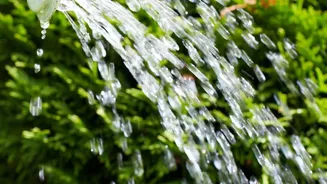
When you do water, do it thoroughly. The goal is to hydrate the entire root ball, not just the top layer of soil. Pour water slowly and evenly over the soil surface until you see it begin to flow freely from the drainage holes at the bottom of the pot. This deep-watering technique encourages roots to grow downward, creating a stronger, more resilient plant. After a thorough watering, be sure to empty any excess water from the saucer beneath the pot. Letting the plant sit in a puddle is a common cause of root rot, one of the most serious threats to potted citrus trees. Allowing the pot to drain completely is just as important as the watering itself.
Signs You Are Underwatering Your Plant
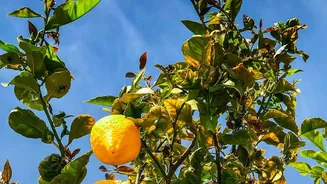
A thirsty lemon plant will give you clear visual cues. The most obvious sign is wilting or drooping leaves. The leaves may also start to lose their glossy sheen and begin to curl inward at the edges. If the soil is left dry for too long, the leaf tips and edges can turn brown and feel crispy to the touch. You might also notice that the plant starts dropping older, lower leaves first as it tries to conserve energy. In some cases, flowers or small, immature fruit may drop off prematurely. Seeing these signs is a clear message from your plant that it needs a good, deep drink.
The Dangers of Giving Too Much Water
While underwatering is stressful for a plant, overwatering is often more deadly. Excess water suffocates the roots by filling in the air pockets in the soil, leading to root rot. The most common sign of overwatering is yellowing leaves, but unlike with underwatering, the yellowing often appears all over the plant, not just on the lower leaves. The leaves may still look green but feel unusually fragile and break easily. Another key indicator is the soil itself; if the pot feels heavy and the soil is constantly damp or spongy, you are likely watering too often. In advanced cases of root rot, you might even notice a musty smell coming from the soil.
Adjusting for Seasons, Sun, and Heat
A plant's water needs change dramatically with the seasons. During the intense heat of an Indian summer, a potted lemon tree sitting on a sunny balcony may need to be watered daily, especially when temperatures climb. The combination of sun and wind can dry out a container very quickly. Conversely, during the cooler, less sunny days of monsoon or winter, you may only need to water once a week or even less. The key is to keep checking the soil. A plant in a very sunny spot will use water much faster than one in a slightly shadier location, so always consider the environment when assessing its needs.
Why Your Pot and Soil Are So Important
The foundation for good watering is a proper setup. Always use a pot that has at least one large drainage hole. Without it, water will pool at the bottom, guaranteeing root rot. The material also matters; terracotta pots are porous and allow soil to dry out faster, while plastic or glazed ceramic pots retain moisture longer. Equally important is the soil itself. Never use heavy garden soil in a pot, as it compacts and holds too much water. Instead, choose a light, airy potting mix designed for citrus or cacti, which ensures excellent drainage and allows oxygen to reach the roots. This combination gives you a much wider margin for error with your watering routine.