






Understanding the Cause of Yellow Stains
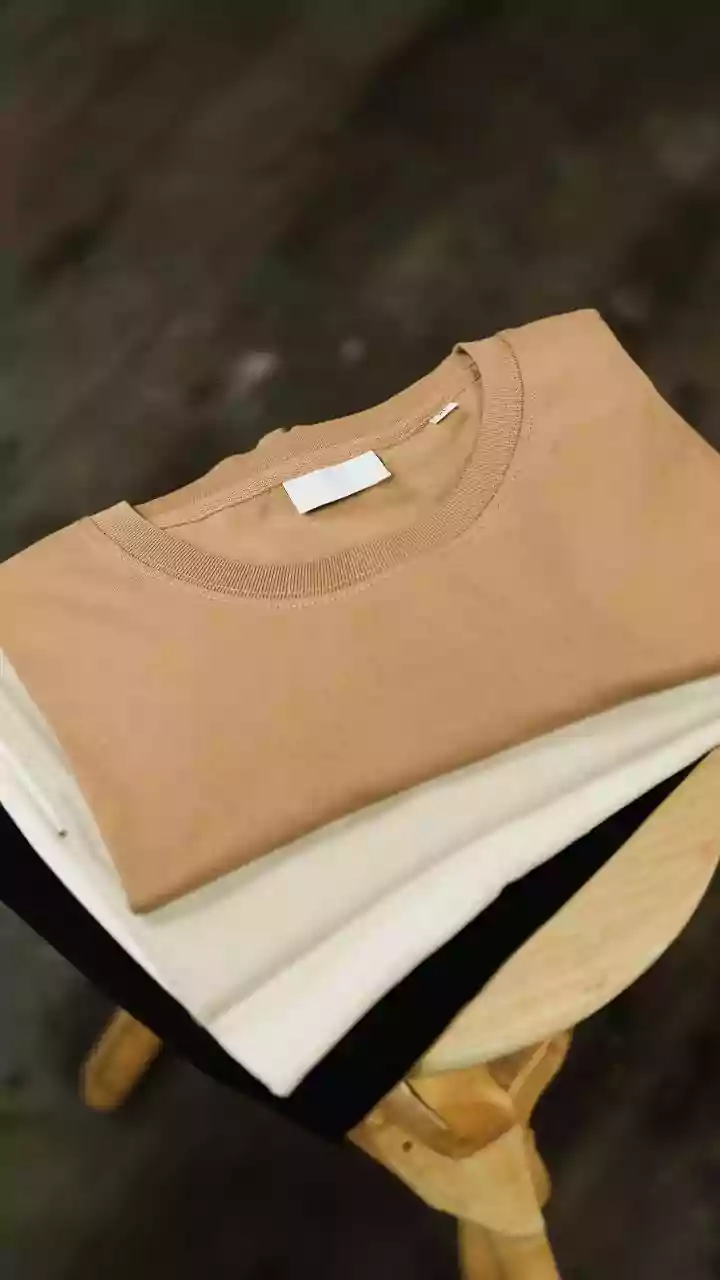
Before you can treat a stain, it helps to know its origin. The most common cause of yellowing, especially around collars and underarms, is a chemical reaction between the minerals in your sweat and the aluminium compounds found in many antiperspirants
and deodorants. Over time, this buildup oxidises and discolours the fabric. Other culprits include body oils that haven't fully washed out, residue from using too much detergent, and even the natural ageing of fibres, particularly when clothes are stored improperly in humid conditions or sealed in plastic. In some cases, using chlorine bleach can even cause certain stains to yellow further.
The Gentle Approach with Household Staples
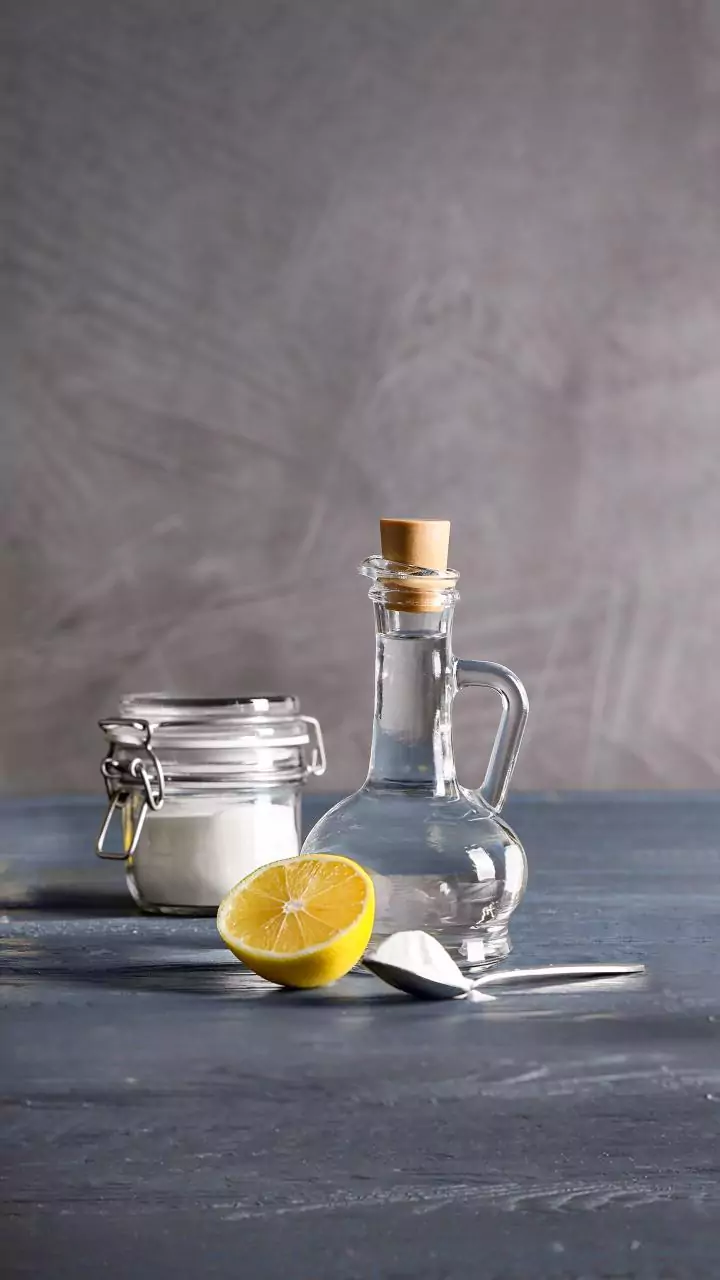
You likely already have several effective stain fighters in your kitchen pantry. For general yellowing or mild sweat stains, a paste made from baking soda and water is a great first step. Mix four tablespoons of baking soda with a quarter cup of water, gently rub the paste into the stained area, and let it sit for at least 30 minutes before washing as usual. Another excellent option is white vinegar. Its acidic properties help break down the oils and deodorant residue. You can either soak the garment in a solution of equal parts white vinegar and water for about 30 minutes before washing or add a cup of vinegar directly to your wash cycle to help brighten whites.
A Stronger Solution: Peroxide and Baking Soda
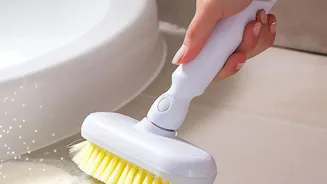
For more stubborn yellow marks on white clothing, a combination of hydrogen peroxide and baking soda can work wonders. Create a paste by mixing equal parts baking soda, 3% hydrogen peroxide, and water (or a gentle dish soap). Apply this mixture directly to the stain, using a soft brush to gently work it into the fibres. Let it sit for at least 30 minutes to an hour, then rinse and launder the item. Hydrogen peroxide has a mild bleaching effect, so it's best reserved for white fabrics. Always perform a spot test on an inconspicuous area first, especially on delicate materials, to ensure it doesn't cause damage or discolouration.
Commercial Products and What to Look For
When home remedies aren't quite enough, look for commercial stain removers specifically designed to tackle protein- and oil-based stains. Oxygen-based bleaches, often sold in powdered form, are a safe and effective alternative to chlorine bleach for whitening and stain removal. These products work by releasing oxygen to break down stains and brighten fabrics. You can use them as a pre-soak by dissolving the powder in hot water and letting the garment sit overnight, or by adding it directly to your washing machine along with your regular detergent. Always follow the product's instructions and the garment's care label.
The Golden Rule: Prevention
The best way to deal with yellow stains is to prevent them from setting in the first place. Wash white clothes, especially those worn close to the skin, promptly after wearing to prevent sweat and oils from building up. Consider switching to an aluminium-free deodorant, as this is a primary cause of the chemical reaction that leads to yellowing. Be mindful not to let damp clothes sit in a hamper for long periods, and ensure garments are stored in a cool, dry place with good air circulation. Washing whites separately in warm water can also help keep them from becoming dull and discoloured over time.