





The New Digital Assistant
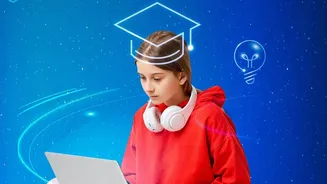
For many young Indians, AI has become an indispensable part of their academic and social lives. Tools like ChatGPT are used not just for answering questions but for summarising complex texts, brainstorming essay ideas, and even practicing difficult conversations.
These platforms offer personalised learning experiences, adapting to a student's individual pace and providing instant feedback on everything from assignments to exam preparation. AI-powered tutors can provide 24/7 support, helping students grasp complex concepts without the pressure of a traditional classroom setting. Beyond academics, AI tools enhance accessibility for students with disabilities through features like real-time captioning and text-to-speech, fostering a more inclusive educational environment.
A Tool, Not a Replacement
When used correctly, AI is an incredible asset. It can act as a creative partner for generating new ideas, an efficiency booster for automating repetitive tasks, and a guide for exploring career paths by analysing market trends. The goal is to reframe AI as a learning tool, not a shortcut. By encouraging critical thinking, these tools can help students move from being passive recipients of information to active participants in their own education. However, research shows that relying too heavily on AI without active judgment can lead to reduced confidence in one's own reasoning. The key is to use AI to support, not replace, human intellect and creativity.
When Use Becomes Dependence
The line is crossed when a helpful tool becomes an emotional necessity. A growing number of teens are using AI chatbots not just for tasks, but for companionship. While this might seem harmless, it can foster an unhealthy dependency. Key warning signs include withdrawing from friends and family, neglecting responsibilities like schoolwork, and showing irritability or anxiety when unable to access a chatbot. Some teens may begin to idealise their AI 'friend', viewing it as superior to real people because it offers constant, non-judgmental validation. This attachment can become so strong that it mirrors behavioural addiction, with users feeling unable to step away even when they want to.
The Psychology of AI Companionship
Why is AI companionship so appealing? For young people grappling with loneliness, social anxiety, or academic pressure, AI offers an escape. Chatbots are available 24/7, never get tired, and are designed to be agreeable and affirming. This can feel incredibly comforting to a vulnerable teen who craves validation without the risk of real-world rejection or conflict. Some studies show a significant percentage of Gen Z have formed meaningful emotional bonds with AI, with some even seeing it as a potential replacement for human partners. The danger lies in this simulated relationship displacing the messiness and friction of real human connection, which is essential for developing emotional intelligence.
How to Foster a Healthy Balance
The goal isn't to ban AI, but to cultivate a balanced and mindful relationship with it. Parents and educators can play a crucial role by keeping lines of communication open. Instead of lecturing, ask curious questions about how teens are using AI. It's helpful to explore the tools together and co-create boundaries around technology use, such as establishing tech-free zones or times. Encourage critical thinking by asking teens to double-check AI-generated information and discuss its limitations. Most importantly, prioritise real-world connections. Make time for family activities, encourage offline hobbies, and ensure that AI remains a tool to enhance life, not a replacement for living it.