






Understanding Your 'Core'
Before we can compare methods, it's important to understand what the core actually is. It's more than just the rectus abdominis, or the 'six-pack' muscles you can see. A truly strong core involves a whole system of deep muscles that act like a supportive
cylinder for your spine and pelvis. This includes the transverse abdominis (TVA), which wraps around your midsection like a corset, the multifidus muscles running along your spine, the pelvic floor, and your diaphragm. These muscles work together to provide stability, control movement, and transfer force through the body. Effective core activation means engaging this entire system, not just working the surface-level abs.
The Pilates Approach: Precision and Control
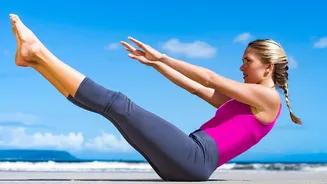
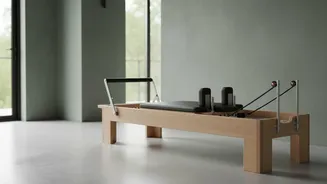
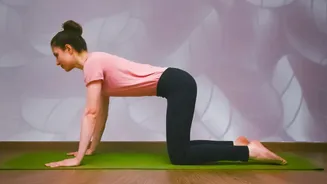
Pilates is a low-impact exercise method that emphasizes controlled, precise movements and mindful breathing. Its primary goal is to build strength from the inside out, starting with the deep stabilizing muscles of the core. By slowing down movements and removing momentum, Pilates forces you to activate these deep muscles to maintain stability and proper form. Research using electromyography (EMG), which measures muscle activity, confirms that Pilates is exceptionally good at recruiting deep core muscles like the TVA. This focus on controlled execution and stability makes it an excellent choice for building foundational strength, improving posture, and enhancing body awareness.
The Circuit Drill Method: Speed and Intensity
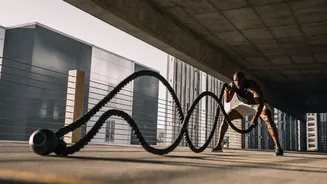
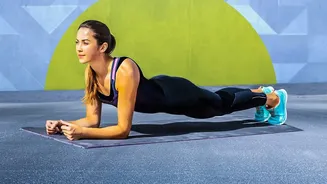
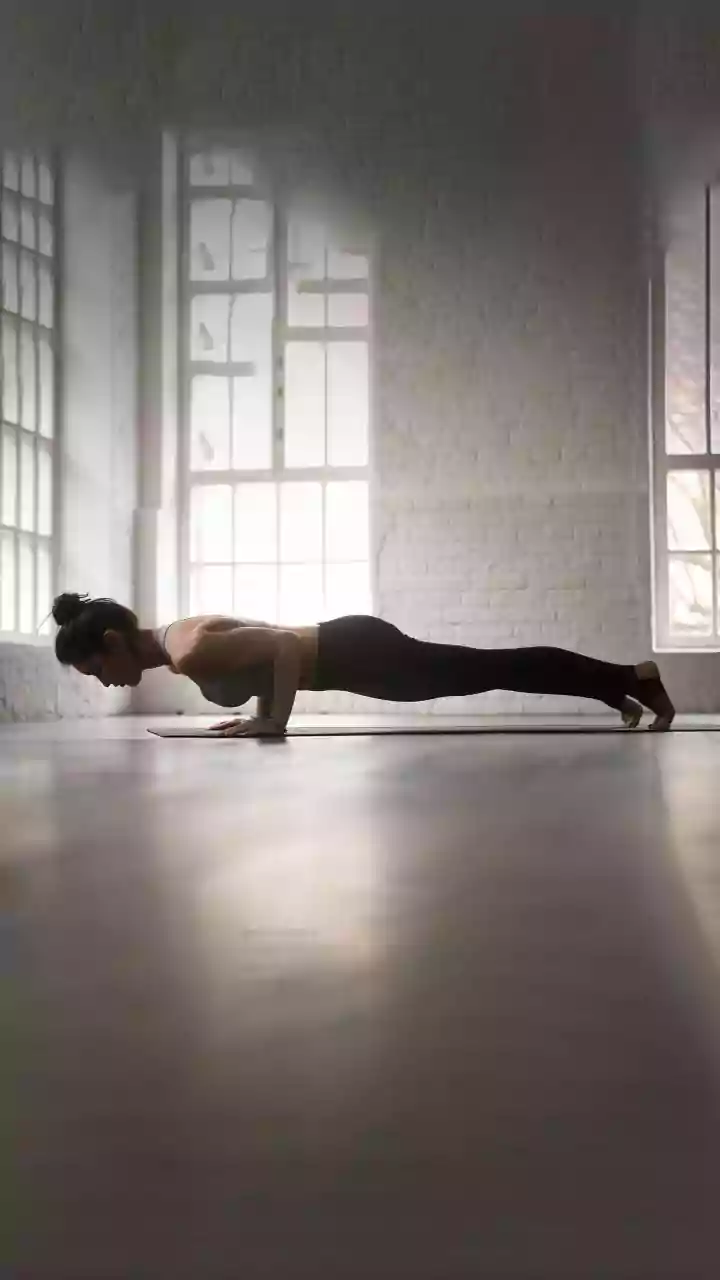
Circuit training involves performing a series of different exercises in quick succession with minimal rest. These workouts are designed to elevate your heart rate and challenge multiple muscle groups simultaneously, providing both a cardiovascular and strength-training benefit. While a circuit might not always focus exclusively on the core, many full-body circuit exercises—like push-ups, planks, and mountain climbers—require significant core engagement to maintain a stable posture during dynamic movement. The core acts as a brace to prevent your hips from dropping or your spine from twisting. This type of training is excellent for building muscular endurance and overall fitness, and it can strengthen the core in a very functional, athletic context.
Activation vs. Endurance: The Key Difference
The debate isn't about which method is 'good' or 'bad', but what quality they are training. Pilates excels at initial 'activation'—teaching your brain how to find and fire up those deep, often-neglected stabilizing muscles. The slow, deliberate nature increases the time your muscles are under tension, which is key for building control and strength. Circuit drills, on the other hand, tend to focus more on building the endurance of the core muscles under fatigue and during high-intensity activity. Faster movements can recruit more muscle fibers and increase overall muscle activity. In essence, Pilates helps you build the strong foundation, while circuit training tests that foundation's ability to hold up under pressure and for longer durations.
So, Which Is Better For You?
The best choice depends entirely on your goals. If you are new to exercise, recovering from an injury, or want to improve your posture and fundamental stability, Pilates is likely the superior starting point. Its low-impact, controlled approach builds deep core strength safely and effectively. If your primary goals are cardiovascular fitness, calorie burn, and improving athletic performance, circuit training is an incredibly efficient option. It challenges your core in a dynamic, high-energy environment. Many fitness experts would argue that the ideal approach involves a combination of both. Using Pilates to establish deep core control and awareness can make your circuit training safer and more effective, as you'll be better equipped to maintain proper form when moving at speed.