




More Than Just a Six-Pack
Your core is not just the rectus abdominis, the muscle responsible for that coveted six-pack appearance. It’s a complex and powerful system of muscles that wraps around your entire torso, acting as a sturdy central link between your upper and lower body.
This muscular corset includes your deep abdominal muscles (transverse abdominis), the muscles along your sides (obliques), your lower and mid-back muscles (erector spinae, multifidus), and even your glutes and pelvic floor. Together, these muscles work to stabilize your spine and pelvis, providing a solid base for all movement. Thinking of your core as this integrated system is the first step to understanding its crucial role in everyday function.
The Foundation of Your Daily Movement
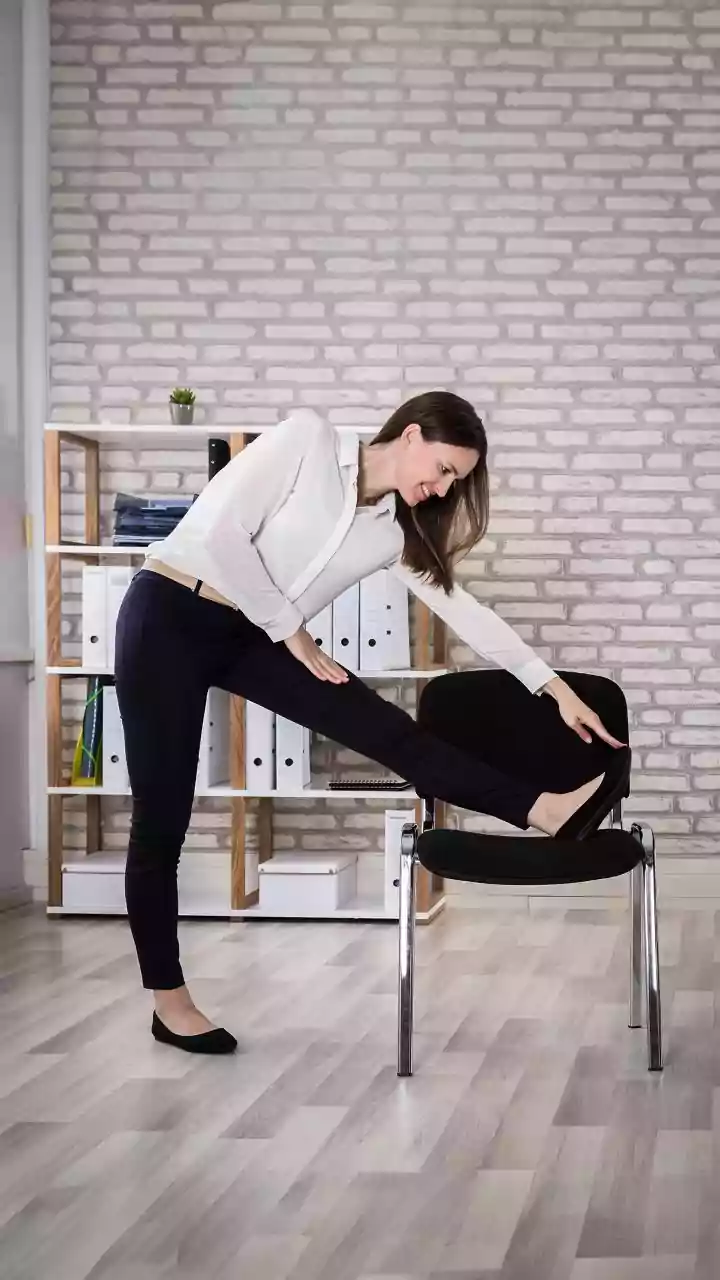
A strong and stable core underpins nearly every action you take. From simple tasks like bending to tie your shoes and carrying groceries to more dynamic activities like playing with your kids or working in the garden, your core is constantly engaged. It helps you maintain balance on uneven surfaces, reducing the risk of falls, and supports good posture while you sit at a desk, which can alleviate neck and back strain. When your core is weak, other parts of your body have to compensate, which can lead to inefficient movement, fatigue, and an increased risk of injury, particularly in the lower back. By building core strength, you’re not just training muscles; you're enhancing your body's ability to move safely and efficiently through life.
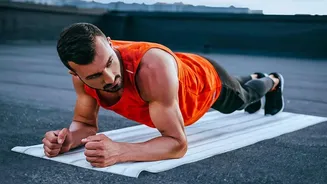
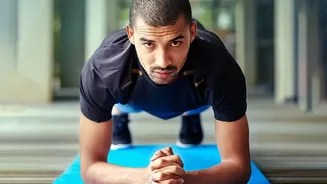
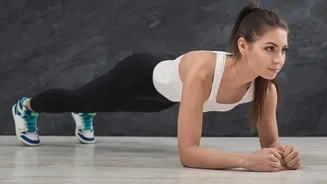
The Plank: An All-in-One Core Builder
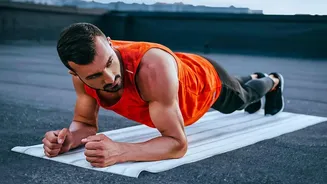
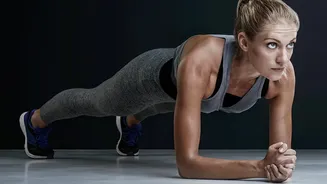
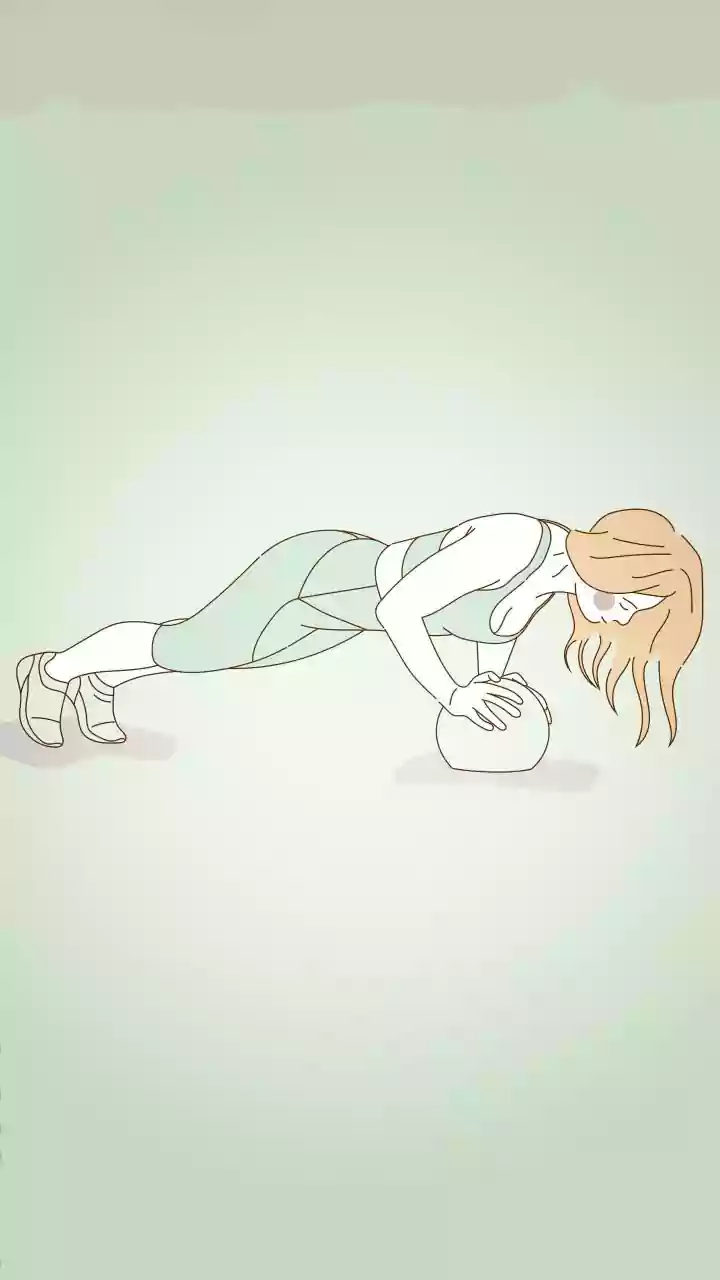
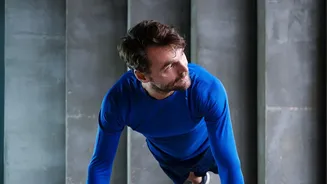
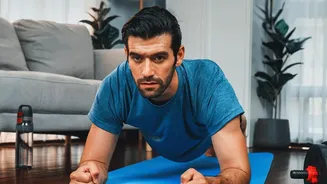
While crunches have their place, the plank is a superior exercise for building functional core strength because it engages multiple muscle groups simultaneously. It teaches your core to do its primary job: to resist movement and stabilize the spine. But the standard plank is just the beginning. By introducing variations, you can challenge your core in new ways and build strength that translates directly to the demands of daily life. These variations turn a static hold into a dynamic stability challenge, preparing your body for the twists, turns, and lifts you encounter every day.
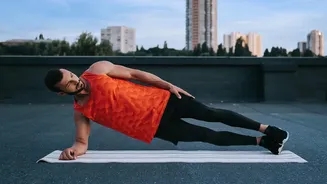
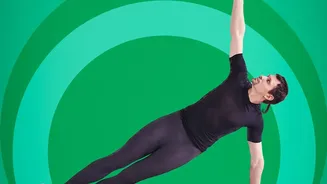
Side Plank: For Lateral Stability
The side plank is a fantastic exercise for targeting the obliques (the muscles on your sides) and the quadratus lumborum, a deep spinal stabilizer. Strengthening these muscles builds lateral, or side-to-side, stability. This is crucial for activities that involve carrying an object on one side, like a heavy bag of groceries or a child on your hip. A strong lateral core prevents your spine from bending sideways under load and helps maintain pelvic stability when you walk or run. It’s a key tool for improving postural control and reducing the risk of back injury.
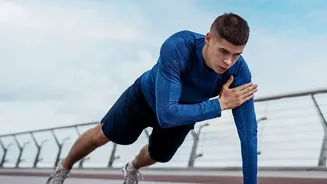
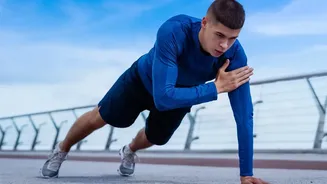
Plank with Leg Lift: For Balance and Control
Lifting a leg during a plank removes a point of contact with the ground, forcing your core to work much harder to prevent your hips from rotating or dropping. This “anti-rotation” challenge is incredibly beneficial for improving balance and control. It mimics the single-leg stability required for walking, running, and climbing stairs. By training your body to remain stable while a limb is in motion, you are building functional strength that supports more coordinated and powerful movement in daily activities and sports.
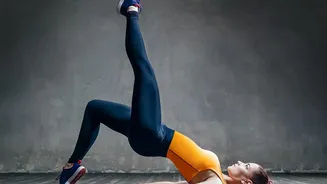
Reverse Plank: For a Stronger Backside and Better Posture
We spend so much of our day hunching forward—over desks, phones, and steering wheels. The reverse plank is the perfect antidote. It strengthens the entire posterior chain, including your glutes, hamstrings, and the erector spinae muscles in your lower back. Activating these muscles helps counteract the effects of a sedentary lifestyle and can be a useful exercise for correcting forward-shouldered posture. A strong posterior chain is essential for good posture, providing the support you need to stand taller and reduce strain on your spine.