






A New Model with an Old Soul
The tribute from Deadwood isn't an event, but a machine. Harley-Davidson recently introduced the 2026 Deadwood, a new motorcycle in its Cruiser lineup that channels the spirit of post-war customization. Instead of celebrating with a parade, the company
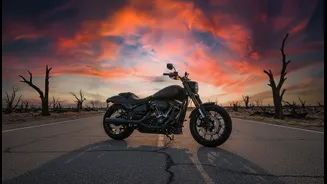
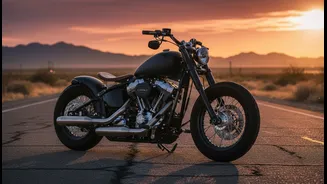
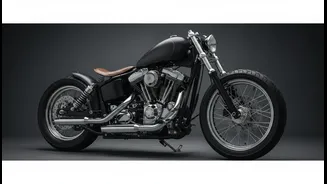
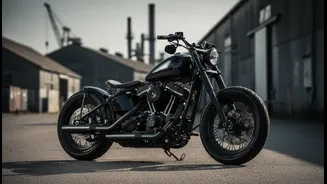
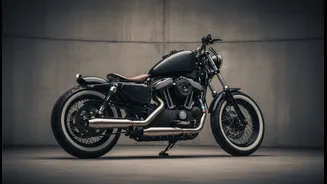
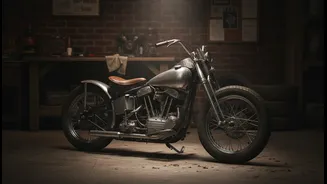
has forged its homage in steel, creating a factory model that embodies the minimalist 'bobber' aesthetic. The Deadwood is defined by what it lacks: there are no flashy chrome ornaments, no passenger seat, and no superfluous trim. It features a blacked-out finish across its engine, exhaust, and frame, a solo seat, and chopped fenders, all designed to echo the raw, performance-focused bikes built in American garages decades ago.
The Birth of the 'Bob-Job'
To understand the Deadwood, you have to go back to the years following World War II. Servicemen returned home with new mechanical skills and a desire for the freedom of the open road. They began buying up military surplus motorcycles, particularly Harley-Davidson WLAs, and modifying them. Inspired by the lighter, more agile bikes they'd seen in Europe and on American race tracks, they started stripping them down for performance. This practice became known as a 'bob-job'. It involved removing the heavy front fender entirely and shortening, or 'bobbing', the rear one. Anything deemed non-essential—extra lights, large seats, and decorative chrome—was discarded to reduce weight and increase speed. It was an act of rebellion and ingenuity, creating lean, aggressive machines from stock military workhorses.
From Garage Build to Factory Floor
The 2026 Deadwood translates that garage-built philosophy into a modern production motorcycle. Its design is a direct nod to the 'bob-job' legacy. The tuck-and-roll solo seat intentionally exposes the chopped rear fender, while the absence of saddlebags creates a clean line that mimics the hardtail frames of the past. According to Harley-Davidson's Head of Design, Bjorn Shuster, the bike was explicitly designed to embody the spirit of rebellion and individualism that returning GIs sought. By stripping away the ornamentation, the focus returns to the core of the motorcycle: the engine and the ride. This model brings the essence of early custom culture from the enthusiast's workshop directly to the showroom floor.
Why 'Deadwood'?
The motorcycle's name is far from random. It's a deliberate link to Deadwood, South Dakota—a town steeped in Old West outlaw lore and a cornerstone of the Black Hills motorcycle scene. Located just a short ride from Sturgis, the site of the world's most famous motorcycle rally, Deadwood is part of the spiritual home of American riding culture. The rally itself has roots in this post-war era; a 1947 tour saw hundreds of riders journeying through the Black Hills, including Deadwood. By naming the bike Deadwood, Harley-Davidson ties the machine not just to a historical aesthetic, but to the geographical heart of the culture that created it. Fittingly, the bike is set to make its public debut at the Sturgis Motorcycle Rally.
Modern Muscle, Vintage Vibe
While its style is deeply rooted in the 1940s and '50s, its engineering is firmly in the 21st century. The Deadwood is powered by a modern Milwaukee-Eight 117 V-Twin engine, delivering contemporary performance and reliability that a post-war rider could only dream of. It also comes equipped with a suite of modern electronics, including cornering ABS and multiple riding modes. This blend of old and new is key to its appeal. The Deadwood offers the stripped-down, rebellious look of a vintage custom build without sacrificing the safety and power of a modern machine. It is a tribute, not a replica, designed for riders who appreciate history but demand present-day performance.