
More Than Science Fiction
NASA is officially planning for a sustained human presence on the Moon, and it wants fresh ideas. Through its Lunar Surface Innovation Initiative, the space agency has launched a series of challenges aimed at solving the complex problems of lunar living.
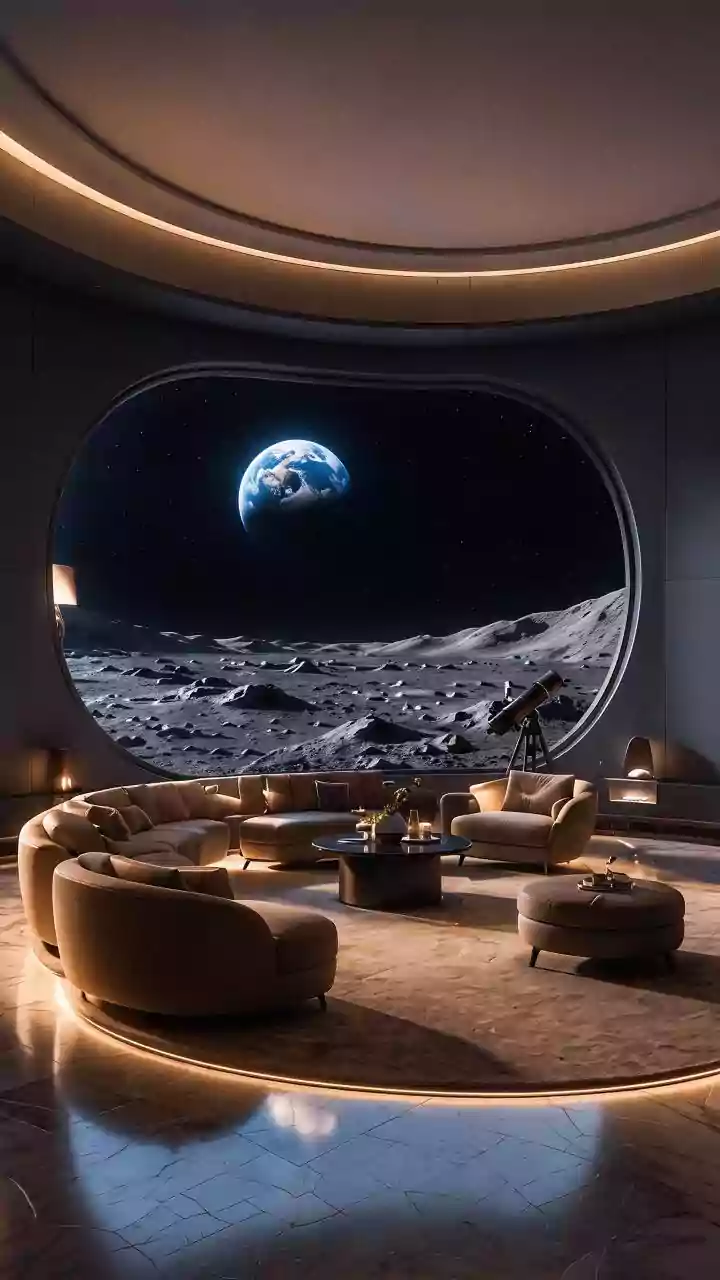
These are not just theoretical exercises; they are part of the ambitious Artemis program, which aims to establish a permanent base camp at the Moon's South Pole. The goal is to move beyond short, flag-planting missions and create a place where astronauts can live, work, and conduct research for extended periods, laying the groundwork for eventual missions to Mars.
The Six Great Lunar Challenges
Life on the Moon presents a unique set of hurdles unlike anything on Earth. NASA has identified six critical areas where innovation is needed. First is power: with lunar nights lasting 350 hours, any settlement needs a robust system for generating and storing energy. Second is construction; since launching materials from Earth is incredibly expensive, NASA is seeking methods to build structures using local lunar resources, a concept known as in-situ resource utilization (ISRU). Third, and perhaps most critical, is life support. This includes providing breathable air, clean water, and managing waste in a closed-loop system. The other key areas are mobility across the harsh lunar terrain, creating reliable communication networks, and, above all, keeping astronauts safe from radiation, micrometeorites, and the abrasive, toxic lunar dust.
Answering the Call for Ideas
To spur innovation, NASA has initiated several prize-based competitions under its Centennial Challenges Program. For instance, the 'Watts on the Moon' challenge sought solutions for energy storage and distribution in the extreme lunar environment, where temperatures can swing wildly. The 'Break the Ice Lunar Challenge' focused on excavating and transporting water ice from permanently shadowed craters near the poles—a vital resource for drinking water, oxygen, and rocket fuel. More recent initiatives like the 2026 'Moon Base Challenge' and 'Human Lander Challenge' specifically invite students to contribute designs for everything from life support systems to habitat modules, offering prize money and the chance to have their ideas incorporated into future missions. These challenges are designed to bring in diverse perspectives from outside the traditional aerospace sector.
Building the Artemis Base Camp
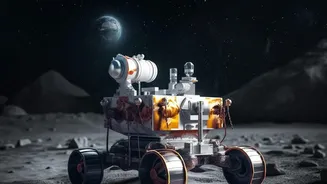
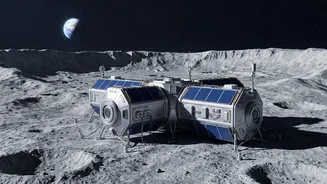
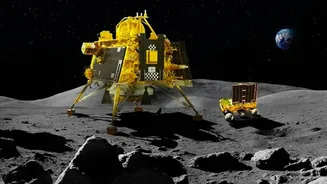
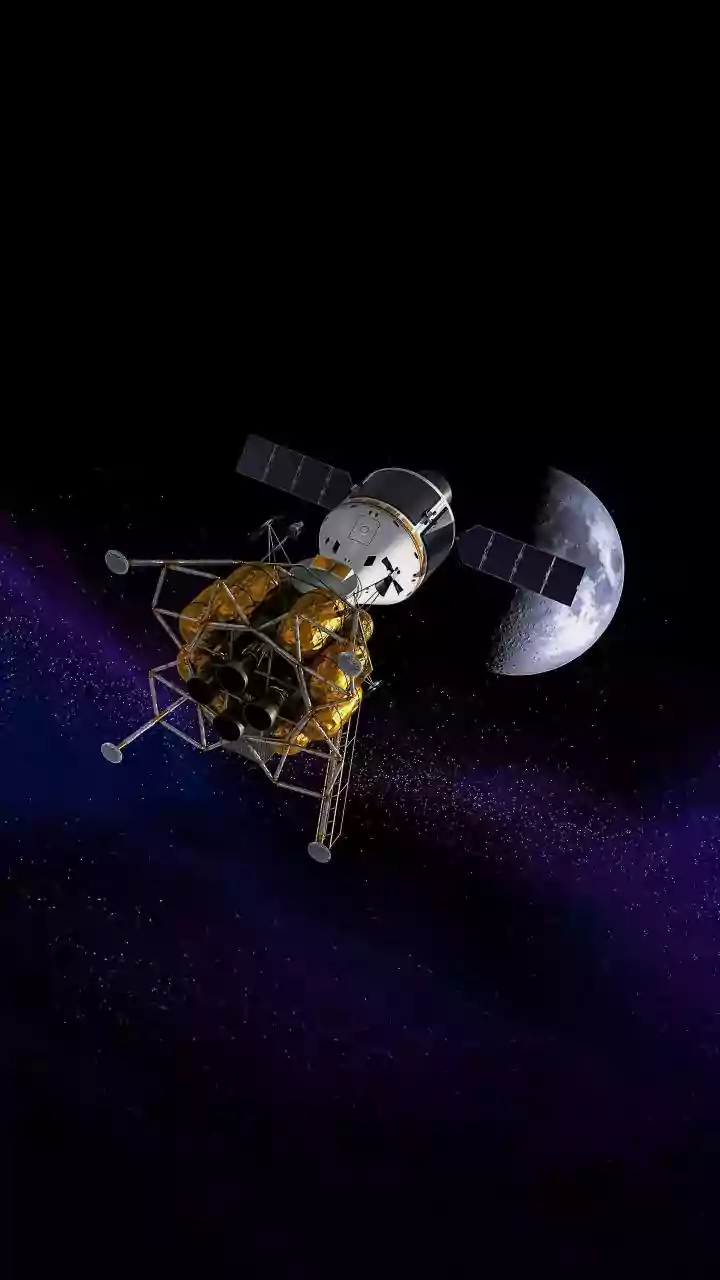
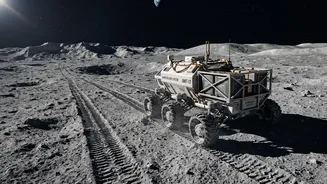
These innovation challenges are directly feeding into the practical plans for the Artemis Base Camp. NASA envisions a phased rollout, starting with robotic missions and technology demonstrations. The program plans to launch multiple crewed landings, beginning with Artemis IV and V around 2028, to start assembling the base. This incremental approach allows engineers to test systems and learn from the harsh environment before committing to permanent structures. Early elements will include a lunar terrain vehicle for transport, a pressurized rover that acts as a mobile habitat, and foundational habitation modules, all powered by advanced solar or fission power systems. By the 2030s, the goal is to have a sprawling base capable of supporting astronauts for long durations, marking a permanent human return to the Moon.