



Understanding the 'Warning Mark'
When officials say the Ganga has crossed the "warning mark," it’s a specific technical alert. According to the Central Water Commission, the river's level was recorded at 70.54 meters as of Thursday morning, surpassing the warning threshold of 70.26 meters.
While this is not yet the "danger level" of 71.26 meters, it’s a clear signal that the situation is serious and escalating. The river has been rising at a steady rate of about two centimeters per hour, fed by heavy monsoon rains in its catchment areas. This steady increase prompted authorities to activate safety protocols and issue advisories for both residents and visitors.
Immediate Impact on Tourist Activities
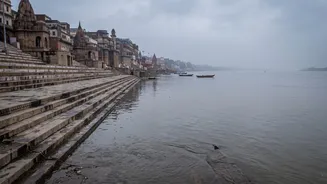
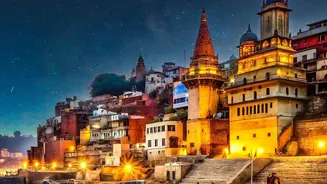
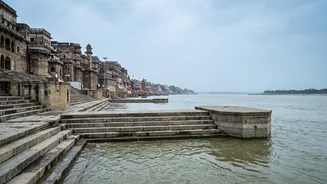
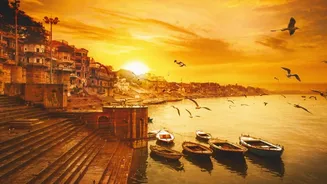
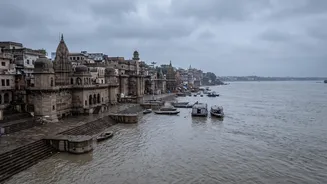
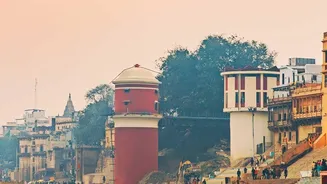
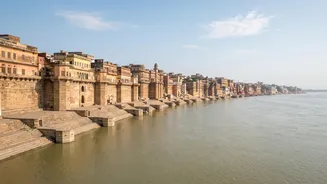
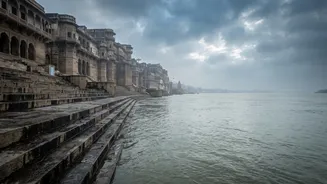
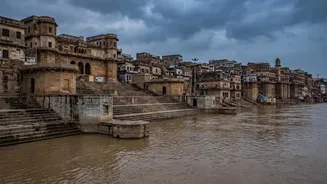
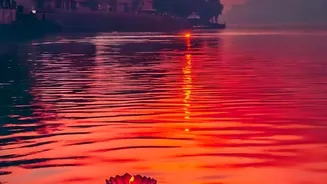
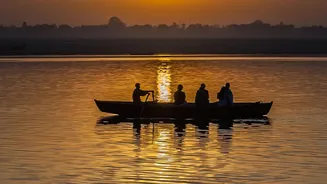
For many visitors, the quintessential Varanasi experience involves the ghats—the long series of steps leading down to the river. With the rising water, these iconic landmarks are now largely submerged. Consequently, authorities have taken several key actions that directly affect travelers. All boat operations on the Ganga have been suspended to prevent accidents in the strong currents. This means no sunrise or sunset boat tours, which are a highlight for many. Authorities have also urged everyone to stay away from the ghats entirely. Even the world-famous Ganga Aarti, the evening river worship ceremony, has reportedly been moved to higher ground or rooftops to accommodate the flooding. Police and disaster response teams are now patrolling the riverfront to ensure these restrictions are followed.
Should You Cancel Your Trip?
The decision to cancel or postpone depends heavily on your itinerary. If your trip was centered around river-based activities like boat rides, bathing in the ghats, or riverfront photography, your experience will be significantly compromised. The India Meteorological Department has forecasted more heavy rain through at least September 8th, suggesting the water levels may not recede quickly. However, the city of Varanasi itself remains largely functional. Hotels, temples located further from the river, and general sightseeing in the city's markets and alleyways are mostly unaffected for now. If you have a flexible schedule, it would be wise to postpone your visit until the water levels subside. If you must travel now, be prepared for disruptions and focus on experiences away from the immediate riverfront. Always check with your hotel and local tour operators for the most current conditions before finalizing your plans.
The Bigger Picture: Flooding as a Cycle of Life
While the floods cause significant disruption and danger, it's also worth understanding them in a broader context. For millennia, the annual monsoon flooding of the Ganga has been a part of life in Varanasi. It’s a natural cycle of renewal that deposits fertile silt along the plains. In Hindu cosmology, the river is a living goddess, and her powerful, untamed form during the monsoon is seen as both destructive and purifying. This perspective doesn't diminish the real hardship faced by the thousands of local residents displaced by the floods—over 1,300 people have been affected by the flooding of the tributary Varuna river alone, with many moved to relief camps. But for a visitor, it adds a layer of understanding to the dramatic scenes on display. This isn't just a natural disaster; it's a powerful, cyclical event woven into the spiritual and cultural fabric of the city.
Safety and Logistics on the Ground
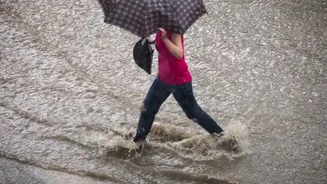
If you are currently in Varanasi or must travel there, prioritize safety above all else. Heed all official warnings and stay clear of the riverfront and any waterlogged areas. The flooding affects not only the Ganga but also the Varuna river, causing waterlogging in several city localities. This can create health risks, such as waterborne diseases, and disrupt local transport. The district administration and National Disaster Response Force (NDRF) teams are on high alert, managing relief camps and preparing for potential evacuations. Be aware that emergency services are focused on assisting affected residents. As a traveler, the best course of action is to stay informed through local news, be flexible with your plans, and avoid taking any unnecessary risks near the water.