





Why Adulteration Spikes During Festivals
The simple economics of supply and demand are at the heart of the problem. During festivals like Diwali and Navratri, the demand for milk-based products such as khoya, paneer, and ghee, as well as sweets and oils, skyrockets. Production, however, cannot
increase overnight. This gap creates a profitable opportunity for unscrupulous sellers to cut corners. To meet the surge, some resort to using substandard or even harmful ingredients to bulk up products and reduce costs. The Food Safety and Standards Authority of India (FSSAI) has noted that this economic motivation is a key driver of adulteration. In response, the FSSAI has directed food safety departments across all states to intensify surveillance, conduct raids on manufacturing units, and collect samples for testing from markets, with a special focus on known hotspots. In recent weeks, thousands of kilograms of suspected adulterated products have already been seized and destroyed in regions like Delhi-NCR.
Sweets and Khoya: What to Watch For
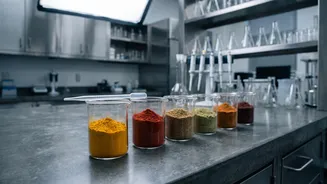
Khoya, or mawa, is the base for countless Indian sweets, making it a prime target for adulteration. Common adulterants include starch, suji (semolina), blotting paper, and, more dangerously, urea and detergents to create a white, foamy appearance. Synthetic milk—made from chemicals like caustic soda, shampoo, and urea—can also be used to produce fake khoya. When buying sweets, be cautious of unnaturally bright colours, which may be non-permitted industrial dyes. A simple way to check khoya is to rub a small amount on your palm; if it feels greasy and leaves a residue, it's a good sign, whereas adulterated khoya might feel sticky or rough. You can also test for starch by boiling a small sample in water, letting it cool, and adding a drop of iodine solution. A blue-black colour indicates the presence of starch.
Ghee and Oils: Checking for Purity
Pure ghee is a staple in festive cooking, but it is frequently adulterated with cheaper fats like vanaspati (hydrogenated vegetable oil) or animal fats. One of the simplest home tests is the palm test: pure ghee will start to melt from your body heat alone, while adulterated versions may remain solid. Another method is to heat a teaspoon of ghee in a pan. Pure ghee melts quickly and turns a clear, golden-brown, whereas adulterated ghee may take longer, produce more smoke, or turn a different colour. For starch, which is sometimes added, a few drops of iodine solution in melted ghee will turn blue or purple if adulterants are present. When it comes to cooking oils, be wary of unusually low prices, as this can be a red flag for blending with cheaper or harmful oils.
The Paneer Problem
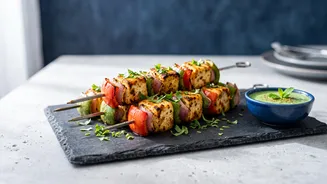
Paneer is another high-demand item susceptible to adulteration. Spurious paneer is often made by adding starch to milk or by using synthetic milk entirely. This not only cheats the consumer but can also pose health risks. To check your paneer, boil a small piece in water. After it cools, add a few drops of iodine solution. If it turns bluish, it has been adulterated with starch. Another sign of poor quality is its texture. Pure paneer is soft and spongy, while paneer made with synthetic milk might feel rubbery and hard. It may also have an unpleasant or soapy smell when heated. In recent raids, officials have seized and destroyed thousands of kilograms of adulterated paneer originating from production hubs supplying major cities.
How to Be a Vigilant Consumer
While authorities are cracking down, consumers are the first line of defense. The FSSAI urges everyone to be cautious and aware. Always try to buy from reputable sellers with a history of quality. Check for the FSSAI registration or license number, which should be displayed on the premises of any food business. Be wary of products that are sold loose or in unhygienic conditions. Properly packaged and labelled products are generally a safer bet. If a deal seems too good to be true, it probably is. Unusually low prices can be a major indicator of adulteration. If you suspect a product is adulterated, you can report it through the FSSAI's Food Safety Connect platform. To increase accessibility to testing, the FSSAI also recommends the deployment of 'Food Safety on Wheels' vans in prominent marketplaces to provide on-the-spot testing for consumers.