






The Significance of Usha Arghya
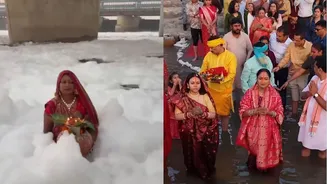
The final day of Chhath Puja, falling on Monday, November 16, is dedicated to Usha Arghya, the morning offering. Devotees who offered 'Sandhya Arghya' to the setting sun the previous evening return to the water bodies before dawn. Standing waist-deep
in the water, they offer prayers and arghya (a mixture of milk and water) to the first rays of the rising sun, an act symbolising gratitude for life and energy. This ritual is performed to honour Surya Dev (the Sun God) and Chhathi Maiya, seeking their blessings for the prosperity, well-being, and long life of their families. After these final prayers, the vratis (those observing the fast) break their demanding 36-hour nirjala fast, a practice known as Paran.
Morning Rituals and Timings
Devotees must reach their chosen ghat well before sunrise to prepare for the offering. For Delhi, the approximate sunrise time on November 16, 2026, is 6:44 AM. Families arrive together, often singing traditional Chhath songs, carrying bamboo baskets (soops) filled with prasad like thekua, fruits, and coconuts. The vrati enters the water and waits for the sun to appear on the eastern horizon. As the sun rises, arghya is offered, and prayers are chanted, creating a powerful atmosphere of collective devotion. After the offering, prasad is distributed among family, friends, and even strangers at the ghat, reinforcing a sense of community.
A Guide to Key Ghats in Delhi
Delhi, home to a large Purvanchali population, prepares extensively for Chhath Puja, with authorities typically setting up over a thousand ghats, both on the Yamuna riverbank and as artificial ponds. While arrangements for 2026 will be finalised closer to the date, several locations are perennially popular for their atmosphere and facilities. Devotees in Central and East Delhi often head to the ITO Yamuna Ghat, a well-known but typically crowded spot. In South Delhi, Kalindi Kunj is a prominent location, though it has faced issues with water pollution in the past, leading to the creation of adjacent artificial ghats. For those in North and Northwest Delhi, the ghats near Wazirabad and Burari are convenient options. Other notable locations based on past celebrations include Hathi Ghat and Sonia Vihar. It is always advisable to check with local organising committees for the most current information on access routes and facilities.
Tips for a Peaceful Observance
The morning of Usha Arghya can be a beautiful but crowded experience. Planning is key to a smooth and spiritually fulfilling ritual. Given the early hour and November chill, dressing in warm, clean, and traditional attire like sarees for women and dhoti-kurtas for men is recommended. To avoid last-minute rushes, plan to leave home at least two to three hours before sunrise, as roads leading to major ghats often have traffic restrictions. Carry all necessary puja items, including the soop with prasad, a vessel for arghya, and a mat to sit on. Be mindful of your surroundings, especially with children and elderly family members in large crowds. Many ghats will have arrangements for lighting, sanitation, and security, often managed by civic bodies and volunteer organisations. After the rituals, help maintain the sanctity and cleanliness of the ghat by disposing of any waste responsibly.