
A Glimpse of the Future
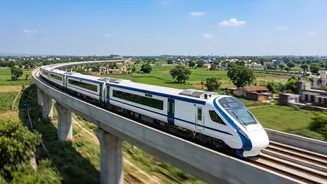
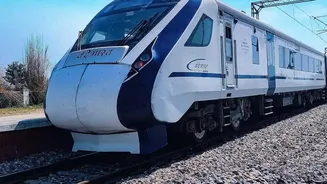
The unveiling of the first test coach marks a pivotal moment for the Mumbai-Ahmedabad High-Speed Rail (MAHSR) project. Announced by Union Railway Minister Ashwini Vaishnaw, the coach's readiness signals that the manufacturing and assembly aspects of the project are
advancing in parallel with the heavy civil construction visible on the ground. This coach is not just for show; it is a critical component for the extensive testing required before any passenger service can begin. It will undergo rigorous trials to ensure it meets the stringent safety and performance standards of the Japanese Shinkansen technology on which it is based. This development is a crucial step towards building domestic capabilities in high-speed train manufacturing, a key goal of the 'Make in India' initiative.
The Priority Corridor: Surat to Bilimora
The first operational section of India's bullet train network is targeted to be the 50-km stretch between Surat and Bilimora in Gujarat. Officials are aiming for a commissioning date in 2027, possibly as early as August. This section was chosen as the priority corridor to showcase the project's capabilities and begin operations sooner. Work here, and across the broader Gujarat portion of the route, is in an advanced stage. Civil construction work on the adjacent Vapi-Surat section is expected to be completed by December 2026, paving the way for track laying and systems installation. The focus on this segment allows the National High Speed Rail Corporation Ltd. (NHSRCL) to tackle the project in manageable phases and build momentum for the completion of the entire 508-km line.
The Shinkansen Legacy
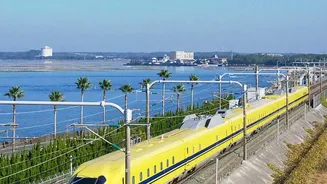
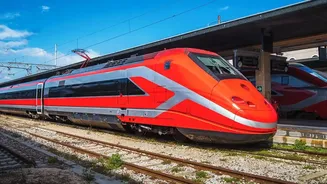
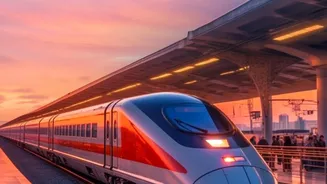
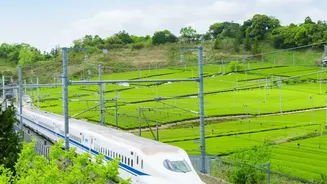
The MAHSR corridor is being built with Japanese Shinkansen technology, renowned for its unparalleled safety record and punctuality. The E5 series trains planned for the route can reach speeds of up to 350 km/h, though they will operate at 320 km/h. This will slash the travel time between Mumbai and Ahmedabad from over six hours to just over two hours. The project is being executed with significant technical and financial assistance from Japan, including a substantial loan at a minimal interest rate. Beyond just speed, the Shinkansen system prioritises passenger comfort, safety, and reliability, promising a transformative travel experience compared to existing options.
Navigating the Road to 2027
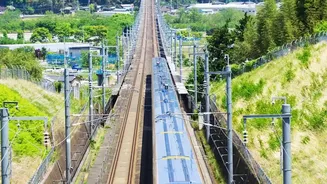
While the 2027 target for the Surat-Bilimora section is generating excitement, it is important to understand the complexities involved. The project timeline has been adjusted before due to challenges like land acquisition, particularly in Maharashtra, and the sheer scale of the engineering required. Completing civil structures is only one part of the puzzle. An immense amount of work follows, including laying tracks, installing overhead power lines, setting up advanced signaling systems, and completing the stations. Afterwards, the trains must undergo extensive testing and receive final safety certifications. While officials express confidence, meeting the 2027 deadline for the first run will require sustained, rapid progress on all fronts.
The Bigger Picture
The Mumbai-Ahmedabad bullet train is more than just a fast way to travel between two commercial hubs. It is envisioned as a catalyst for economic growth and modernization along the entire corridor. The project spans 508 km, connecting 12 stations across Maharashtra, Gujarat, and Dadra and Nagar Haveli. By providing reliable, high-speed connectivity, the corridor is expected to boost business, tourism, and regional development. It will also serve as a crucial learning experience, creating a domestic ecosystem for future high-speed rail projects. India has ambitious plans to expand its bullet train network to other parts of the country, and the successful completion of this inaugural line is the foundational first step.