



The Soul of a Sindhi Breakfast
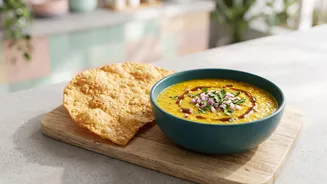
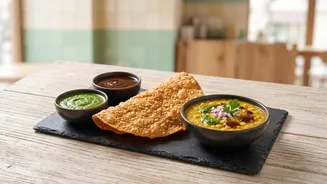
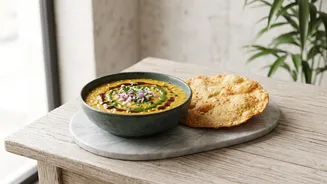
For generations, Dal Pakwan has been a cherished breakfast in Sindhi households, especially enjoyed as a leisurely Sunday brunch. The dish is a beautiful study in contrasts. It features 'dal', a comforting and mildly spiced curry made from chana dal (split
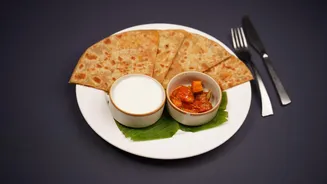
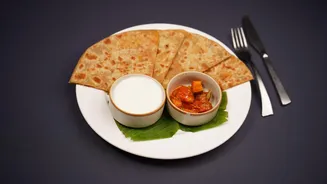
Bengal gram), cooked until the lentils are tender but still hold their shape. This is served with 'pakwan', a deep-fried, crispy flatbread made from flour, often seasoned with carom or cumin seeds. The combination is then elevated with an assortment of toppings: tangy tamarind chutney, spicy green chutney, finely chopped raw onions, and a sprinkle of fresh coriander. Every spoonful offers a delightful mix of soft and crunchy textures, and a complex harmony of savoury, spicy, and tangy flavours.
A Dish Steeped in Heritage
The story of Dal Pakwan is deeply connected to the history of the Sindhi community. Originating in the Sindh region, now in Pakistan, the dish reflects the resourcefulness of its people. The pakwan, being a crisp and non-perishable bread, was an ideal food for traders and those who travelled. After the partition of India in 1947, as the Sindhi community dispersed and resettled, they carried their rich culinary traditions with them. Dal Pakwan became more than just a meal; it became a symbol of cultural identity and togetherness, a comforting taste of home recreated in new lands.
The Street-Style Reinvention
While the classic preparation remains a household favourite, a new wave of culinary creativity is taking Dal Pakwan out of the home kitchen and onto the bustling streets. The 'street-style' twist often begins with the dal itself. Some vendors in Sindhi-dominated areas like Ulhasnagar are known for creating a unique mix of three different lentils—often chana dal, moong dal, and whole moong beans—served together to create a more complex flavour and texture profile. This blend of dals, each cooked to its perfect consistency, offers a richer experience than the single-lentil version traditionally made at home.
From a Plate to a Party Snack
The innovation doesn't stop with the dal. Chefs and street vendors are re-imagining the entire format of the dish to make it more convenient for on-the-go consumption. One popular variation is 'Dal Pakwan Chaat' or bite-sized pakwans used as a base for the dal and chutneys, similar to how one might serve sev puri. This turns the dish from a sit-down meal into an easy-to-eat snack. Other creative interpretations include Dal Pakwan tacos or tostadas, where the core flavours are presented in a completely new format, appealing to a younger generation accustomed to global food trends. These versions are not just delicious but also highly visual, making them popular on social media and at food festivals.
Why The New Angle Works
The evolution of Dal Pakwan is a testament to the dynamic nature of Indian food. The street-style twist succeeds because it respects the original flavours while adapting the dish to a modern lifestyle. It makes the breakfast classic more accessible, faster to serve, and introduces an element of novelty that attracts new fans. By offering different dal combinations or presenting it in a chaat form, vendors provide a new experience even for those who grew up eating the traditional version. This blend of authenticity and innovation ensures that the legacy of Dal Pakwan not only survives but thrives, capturing the palates of a whole new audience across India.