
A Sweet Symbol of Bengal
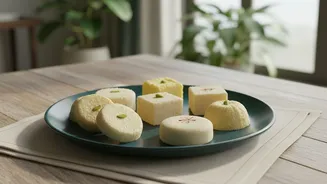
For Bengalis, sandesh is more than just a dessert; it’s an emotion, a bearer of good news, and an essential part of life’s celebrations. The name itself translates to “message,” harking back to a tradition of sending these sweets to convey good tidings.
From Durga Puja offerings to casual family gatherings, a platter of sandesh is a symbol of hospitality, warmth, and tradition. Its history is rich, with mentions of a precursor sweet in medieval texts, but the version we know and love today truly blossomed in 19th-century Bengal, an era of great cultural and social reform. Legendary sweet makers like Bhim Chandra Nag and Nakur Chandra Nandy became household names, turning the humble sweet into an art form.
The Unmistakable Heart: Chhena
At its core, the recipe for sandesh is deceptively simple: fresh cheese curds, known as chhena or paneer, and a sweetener. The modern chhena-based sandesh is a product of cultural exchange, with the technique of curdling milk with acid being introduced to Bengal by Portuguese settlers in 17th century. Before this, a version made from solidified kheer (reduced milk) existed. The true art of a great sandesh lies in the quality of its chhena. Made by curdling fresh, full-fat milk and then separating it from the whey, the chhena must be kneaded to the perfect consistency — smooth, but with a delicate grain. This foundational ingredient is what gives sandesh its unique, melt-in-the-mouth texture that sets it apart from flour or khoya-based sweets.
From a Simple Base, Infinite Variety
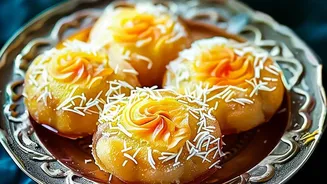
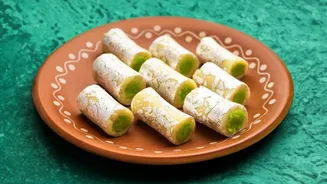
The genius of sandesh is that this simple chhena base acts as a perfect canvas. The most basic form, makha sandesh, involves lightly tossing the chhena with sugar over a low flame. From there, the variations are endless. Confectioners, known as moiras, developed different grades, like naram-pak (soft-set) and the firmer kora-pak (hard-set), each with a unique texture. The simplest is the kanchagolla, or 'raw ball', which involves minimal cooking. This base can then be infused with flavours and shaped using intricate moulds, often carved from wood, into forms like conch shells, fish, or flowers, turning them into edible works of art.
The Taste of Tradition and Season
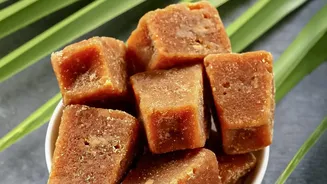
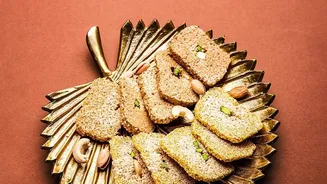
Perhaps the most celebrated variation is the Nolen Gurer Sandesh, a winter delicacy that recently earned a GI tag. Instead of sugar, it uses nolen gur, a seasonal date palm jaggery available only from November to February. This jaggery imparts a smoky, caramel-like flavour and a distinctive brown colour that is deeply nostalgic for many. The arrival of nolen gur marks the winter season in Bengal, with sweet shops dedicating entire sections to treats made from this prized ingredient. Other historic innovations include the Jolbhora sandesh, created in the 19th century, which features a liquid centre of rose syrup or nolen gur.
The Modern Sandesh
While tradition remains at its heart, the sandesh has proven remarkably adaptable. Contemporary sweet makers continue to innovate, creating fusion flavours that appeal to a new generation. It’s not uncommon to find chocolate, mango, saffron, or fruit-infused sandesh sitting alongside the classics. There are even baked and steamed (bhapa) versions available. These modern twists demonstrate the versatility of the core recipe. No matter the flavour—be it strawberry or butterscotch—the underlying creamy texture and milky taste of the chhena remain instantly recognisable, connecting every new creation back to its roots.