





A Chill on Performance Muscle
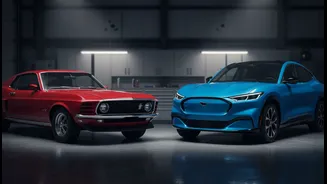
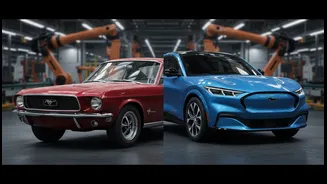
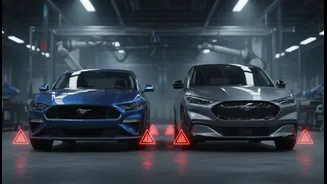
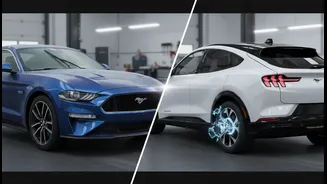
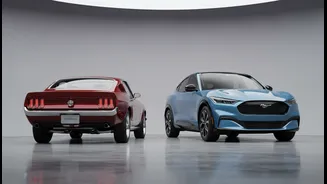
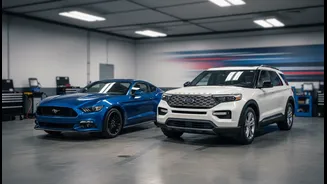
The traditional, gasoline-powered Ford Mustang, a symbol of American muscle, is facing a peculiar recall. The issue affects 67,842 cars, including 2024-2026 model year Mustangs and even the high-end 2025-2026 Mustang GTD. According to documents filed
with the U.S. National Highway Traffic Safety Administration (NHTSA), the problem lies with the windshield wiper system. In temperatures at or below freezing, the wiper motor can suffer a communication fault, causing the wipers to function only on their highest setting while the washer system may fail completely. While it may sound minor, reduced visibility in winter conditions prompted the recall as a safety hazard. Dealers will inspect the wiper motor and replace it if necessary, free of charge.
Growing Pains for the Electric Pony
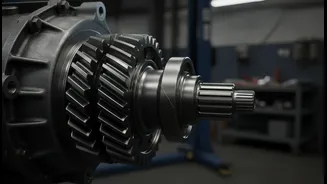
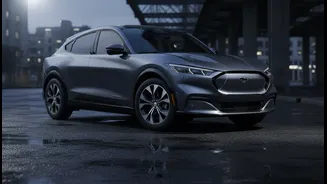
Simultaneously, Ford's flagship electric vehicle, the Mustang Mach-E, is also under scrutiny. A separate recall has been issued for 42,784 rear-wheel-drive Mach-E crossovers from the 2021-2023 model years. This problem is more severe, centering on a rear differential pinion shaft that can fracture. Such a failure could lead to a sudden loss of driving power or, if the parking brake isn't engaged, could allow the vehicle to move unintentionally when placed in Park. Ford became aware of the issue after its product development team in Europe investigated a failed differential in March 2026. While the company is not aware of any accidents or injuries related to this defect, it has logged dozens of warranty claims. The fix will involve dealers repairing or replacing the rear differential assembly, though a permanent remedy isn't expected until late December 2026.
A Wider Pattern of Quality Concerns
These latest recalls are part of a broader, challenging trend for Ford, which has issued more recalls in 2026 than any other automaker. This year has seen millions of Ford vehicles recalled for a variety of issues, including a massive campaign for over 741,000 trucks and SUVs due to a faulty park system that could lead to rollaway incidents. Other recalls have addressed software glitches in trailer brake modules, rearview cameras, and seat belt pretensioners. This persistent stream of quality issues presents a significant challenge for the company's reputation and bottom line. The constant need for fixes can erode consumer trust, even as the company insists it reflects a proactive approach to catching potential problems early.
Impact on the Indian Market
For customers in India, the immediate impact of these specific recalls is limited. The recalls for the Mustang and Mustang Mach-E are primarily for the North American market, as confirmed by filings with NHTSA. Ford India has not announced a corresponding recall for these specific issues. However, the Mustang has been sold in India as a niche performance import, and the Mach-E was anticipated to launch in the country as part of Ford's planned EV strategy before the company ceased local manufacturing. These global quality control issues can influence brand perception everywhere, including in India. For potential buyers of imported Ford vehicles and for the brand's long-term image, consistent global quality is crucial. The recalls serve as a reminder for owners of any imported vehicle to stay informed about global safety campaigns, as sometimes similar components are used across different markets.