






The Case for Walking: Simple, Free, and Effective
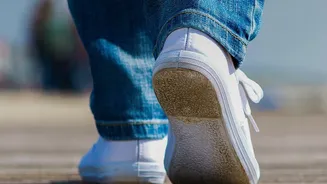
Walking is perhaps the most accessible form of exercise on the planet. It requires no special equipment beyond a comfortable pair of shoes, no gym membership, and no learning curve. You can do it anywhere, anytime. Its primary benefit lies in cardiovascular
health. A regular walking routine improves circulation, helps lower blood pressure, and reduces the risk of heart disease. Studies show that taking more steps throughout the day is linked to a better mood, as walking triggers the release of natural, mood-boosting endorphins. For beginners, its simplicity is its greatest strength. You can start slow and gradually increase your pace and duration, making it a sustainable habit that’s easy on the joints.
The Power of Pilates: Strength, Posture, and Control
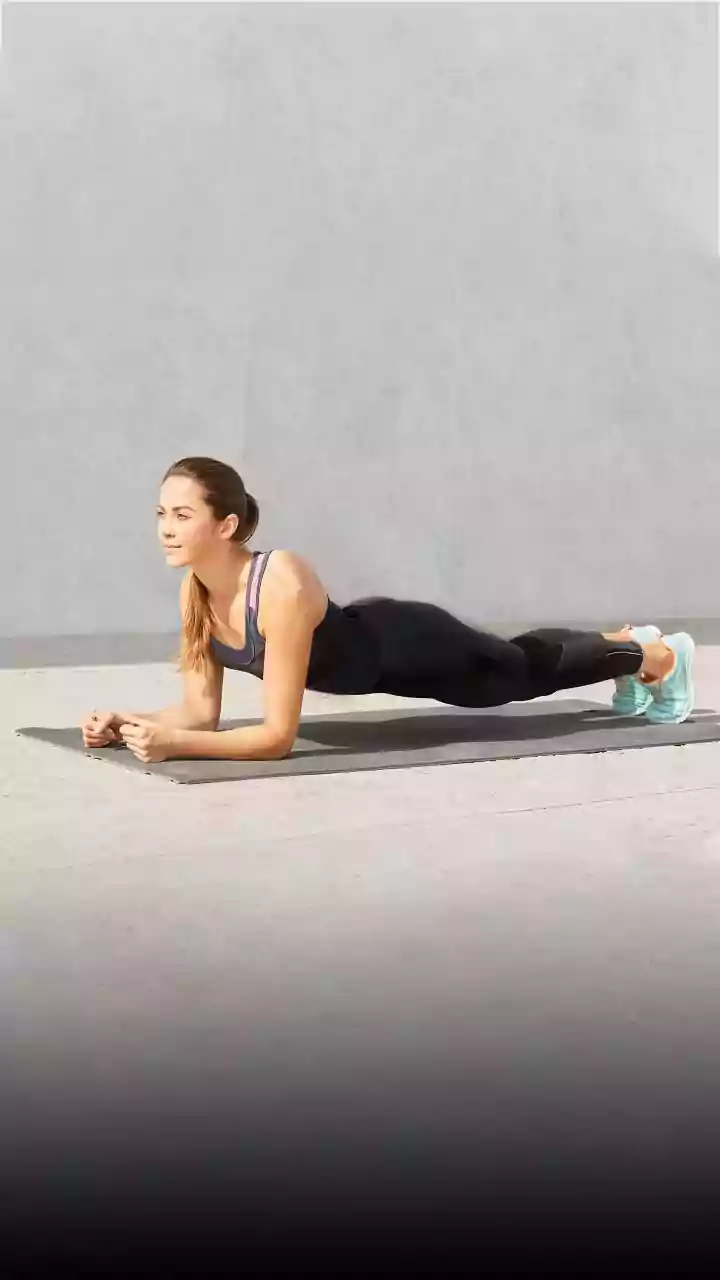
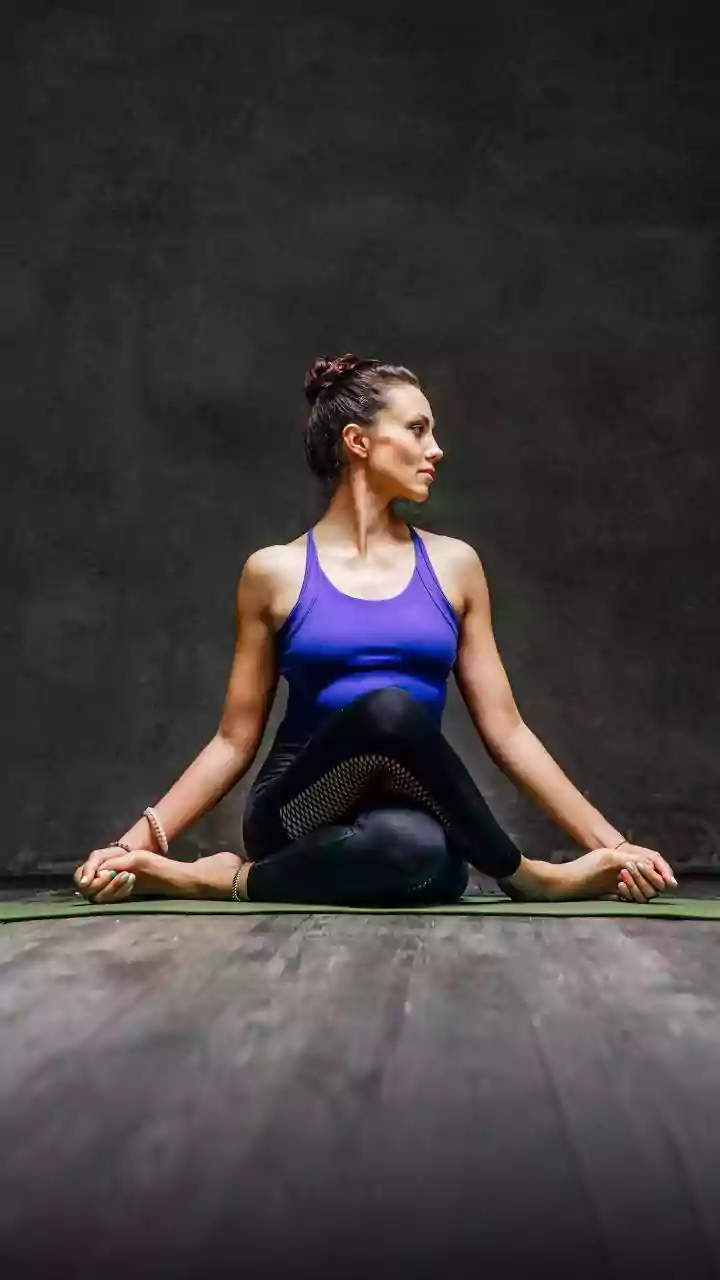
Pilates, on the other hand, is a low-impact form of exercise focused on building core strength, improving flexibility, and enhancing body awareness. Developed as a rehabilitation method, its controlled, precise movements target the deep stabilising muscles in your core, back, and hips. For those who spend hours sitting at a desk, Pilates can be transformative for posture. It strengthens the muscles that support your spine, helping to alleviate back pain and correct muscle imbalances. While it might not burn as many calories as a brisk walk during the session itself, building lean muscle through Pilates can boost your resting metabolism over time.
Cardiovascular Health: The Edge Goes to Walking
When it comes to heart health, walking has a clear advantage. As a form of aerobic exercise, it directly strengthens your heart and lungs, improving endurance. Health guidelines often recommend at least 150 minutes of moderate-intensity activity like brisk walking per week to reduce the risk of cardiovascular events. While some flowing Pilates sequences can elevate your heart rate, its primary function is not aerobic conditioning. For those whose main goal is to improve stamina and heart health, walking is the more direct and efficient choice.
Strength and Toning: Pilates Takes the Lead
If building strength and improving muscle tone are your priorities, Pilates is the stronger contender. Walking primarily works the lower body, but it doesn't provide enough resistance to significantly build muscle mass. Pilates engages the entire body, from the deep core muscles to the arms, back, and glutes. The controlled movements create long, lean muscle without putting stress on the joints. This focus on functional strength and muscular endurance can lead to noticeable improvements in body shape and overall physical capability.
Flexibility and Posture: A Clear Win for Pilates
Pilates is renowned for its ability to improve flexibility and posture. The exercises are designed to lengthen the spine, increase range of motion in the joints, and create better overall alignment. This heightened body awareness often translates into better posture in daily life. While walking helps keep joints mobile and can increase range of motion over time, it doesn’t offer the targeted flexibility training that is central to a Pilates practice. For anyone looking to stand taller and move with more grace, Pilates offers more significant benefits.
Cost and Accessibility: Walking Is the Unbeatable Option
In terms of accessibility, walking is unmatched. It's free and can be incorporated into your day without much planning. Pilates, however, often involves a cost, whether for studio classes or online subscriptions. While there are many free beginner videos available online, mastering the proper form to prevent injury can benefit from initial instruction. For someone just starting out with a limited budget or unpredictable schedule, the simplicity and cost-effectiveness of walking make it an easier habit to adopt.