






Defining 'Attractiveness' in the Digital Age
What does it mean for a city to be 'attractive' in 2026? According to the new Global Tourism City Attractiveness Index, it’s less about sheer visitor numbers and more about what travellers feel and share. The index, developed by Yanolja Research with
Purdue and Kyung Hee Universities, analysed millions of social media conversations in 14 languages to gauge traveller sentiment. Rather than just counting footfalls, it measured the emotional resonance of over 200 cities based on four key pillars: scenery, culture, unique experiences, and hospitality. This modern approach gives a clearer picture of which cities are not just popular, but genuinely loved and recommended by those who visit them.
The Global Top Tier: A Mix of Icons and Surprises
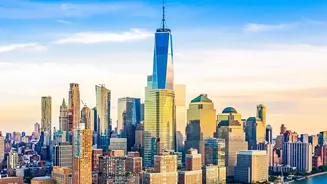
This year's ranking is topped by New York, which masterfully combines global recognition with positive visitor feedback. Following closely is Paris, a perennial favourite whose appeal remains undeniable. However, the list also highlights Asia’s rising dominance in tourism appeal. Japan secured two spots in the top five with Osaka at number three and Kyoto at number four, celebrated for delivering exceptionally positive travel experiences. Seoul, South Korea, rounds out the top five, with London, Rome, and Bangkok also featuring in the top ten. This blend shows that while iconic status matters, cities that offer deep cultural immersion and highly shareable moments are climbing the ranks fast.
India's Cities on the Global Stage
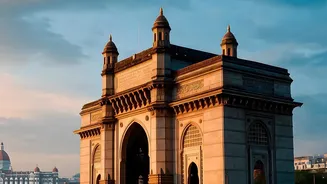
So, where do Indian cities stand? The Global Tourism City Attractiveness Index placed Delhi at a respectable 36th position, signalling its strong international profile. While no Indian city broke into the top tier of that specific index, other major 2026 reports highlight the country's growing appeal. The prestigious Resonance 'World's Best Cities' report, for instance, featured four Indian metros in its top 100. Bengaluru, hailed as the “Silicon Valley of India,” led the charge at 29th globally. It was followed by Mumbai at 40th, recognized as the nation's financial and cultural engine, with Delhi at 54th and Hyderabad at 82nd. This shows that India's urban centres are being noticed not just for tourism, but as holistic hubs for talent, culture, and investment.
Celebrating Heritage and Experience
When the focus shifts purely to traveller experience, Indian cities shine even brighter. In the Travel + Leisure World's Best Awards for 2026, which is based on reader votes, three Indian destinations made it into the world's top 25. Udaipur, the 'City of Lakes', was ranked 12th globally, celebrated for its stunning palaces and serene atmosphere. Jaipur, the 'Pink City', secured the 16th spot for its royal architecture and vibrant markets, while Mumbai placed 21st, praised for its dynamic blend of history and modernity. This strong showing proves that India's unique heritage and hospitality leave a lasting impression on global travellers.
Delhi's Drawing Power: The Capital of Repeat Visits
Another report from digital travel platform Agoda offers a fascinating insight: which cities do travellers return to again and again? For 2026, New Delhi was named the most revisited destination in all of India. According to the data, visitors are repeatedly drawn to Delhi's incredible mix of historical landmarks like the Red Fort and Humayun's Tomb, its bustling markets, and its world-class culinary scene. The report suggests that the capital offers such a depth of experiences that a single trip is rarely enough. Following Delhi in the ranking for repeat Indian visitors were Chennai, Mumbai, Bengaluru, and Kochi, each offering its own distinct cultural flavour.