



The festive spirit of Dhanteras has been amplified this year by a timely correction in gold prices. After a year of volatility, this dip has revived consumer interest, but with a significant shift in buying patterns across India.
A Welcome Price Correction
Gold prices saw a historic
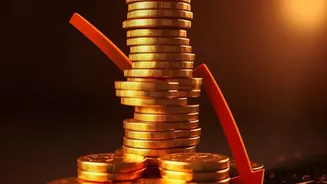
surge at the beginning of 2026, reaching record peaks of over ₹1,75,000 per 10 grams in January. This made many potential buyers hesitant, limiting purchases to essential wedding needs. However, in the months leading up to Dhanteras, prices have corrected significantly, dropping by as much as 19-20% from their January highs. While prices are still considerably higher than last year's Dhanteras, this downward trend has been a crucial catalyst, creating a more attractive entry point for consumers who had been waiting on the sidelines. Jewellers noted that this correction helped stimulate demand just in time for the most auspicious gold-buying day in the Hindu calendar.
Value Over Volume: The New Mantra
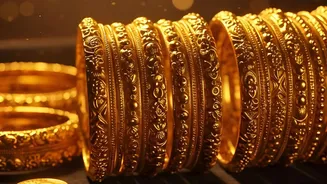
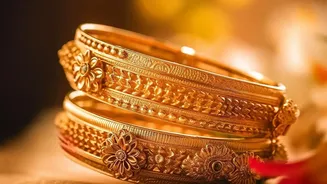
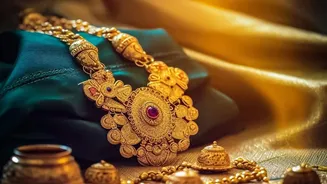
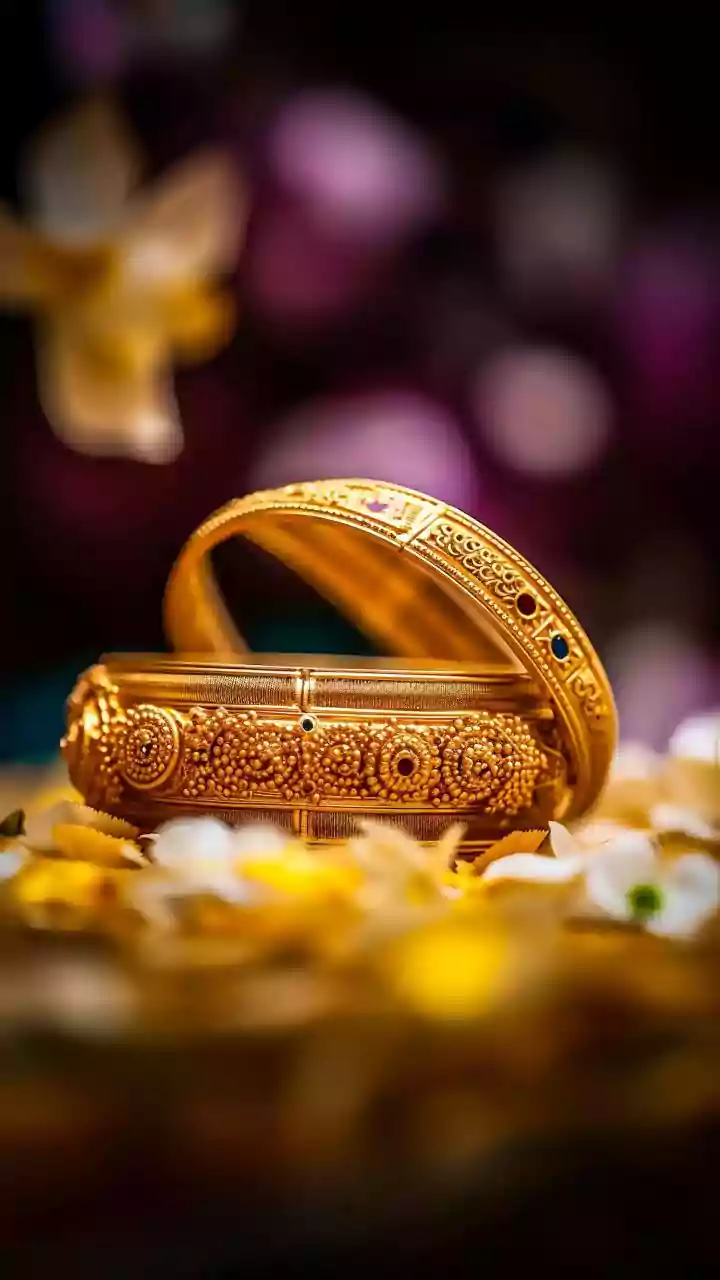
Despite the renewed enthusiasm, consumer behaviour has evolved. This year's trend is clearly defined by a preference for value and budget-consciousness. Jewellers across the country report that while footfalls and advance bookings are strong, customers are gravitating towards smaller, lightweight items. Instead of heavy, traditional sets, buyers are opting for more wearable pieces like lightweight chains, earrings, rings, and pendants. This shift allows families to uphold the tradition of buying gold on Dhanteras without straining their finances. Industry bodies like the All India Gem and Jewellery Domestic Council (GJC) project that while the total value of sales could rise by 20-30%, the actual volume of gold sold might remain flat compared to last year. This indicates that people are spending, but their budgets are purchasing fewer grams at the current prices.
What's Flying Off the Shelves?
The focus on smaller ticket items is evident in the types of products seeing the most demand. Gold coins and bars remain popular, driven by both investment sentiment and their role as traditional gifts. Lightweight hallmarked jewellery is also a major draw, especially with the wedding season following closely after Diwali. Online platforms have also seen a surge in interest for specific categories. One major e-commerce site reported that sales of gold rings grew by over 35% year-on-year, while gold earrings saw a nearly 30% jump. This reflects a broader trend of consumers buying 'smarter'—choosing practical pieces that can be worn regularly rather than being stored in a locker. Even silver is seeing increased interest, with its affordability attracting younger buyers for both jewellery and utensils.
The Rise of Digital Gold
Alongside physical purchases, the digital gold space is witnessing significant growth. Younger, tech_savvy consumers are increasingly turning to app_based platforms and Gold Exchange Traded Funds (ETFs) for their festive investments. Digital gold offers convenience, transparent pricing, and the ability to invest with smaller amounts, making it a highly accessible option. Data from September 2026 showed that digital gold purchases had increased by 83% from the previous year, highlighting the growing acceptance of this modern approach to gold accumulation. Net inflows into Gold ETFs have also been robust, showing that many investors are keen to gain exposure to gold's price appreciation without the complexities of storing and securing physical metal.