





The Great Hydration Debate
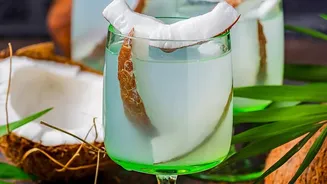
When it comes to pure hydration, both buttermilk (chaas) and coconut water are excellent choices, far superior to sugary sodas. They are both predominantly water. However, they work in slightly different ways. Coconut water is often called a 'natural
sports drink' because it's packed with electrolytes like potassium, sodium, and magnesium. These minerals are crucial for replenishing what your body loses through sweat, making it a fantastic choice for rehydrating quickly after exercise or spending time in the heat. Buttermilk also contains electrolytes like potassium and helps replenish lost fluids.
A Tale of Two Nutritional Profiles
Beyond hydration, their nutritional offerings diverge significantly. Coconut water's main claim to fame is its high potassium content, which is vital for fluid balance and can help regulate blood pressure. Buttermilk, on the other hand, provides a wider range of nutrients. As a dairy product, it’s a source of high-quality protein, calcium for bone health, and B vitamins like B12, which are important for energy. While coconut water is light and refreshing, buttermilk offers a more rounded nutritional punch, making it more filling.
The Gut Health Champion
Here, buttermilk has a clear advantage. As a fermented drink, chaas is a natural source of probiotics—the beneficial bacteria that support a healthy digestive system. Regular consumption can help balance your gut microbiome, improve digestion, reduce bloating, and even boost your immune system, which is closely linked to gut health. Coconut water does not contain these probiotics. If you are focused on improving your digestive wellness, a daily glass of buttermilk is one of the best habits to cultivate.
Calorie and Sugar Consciousness
For those watching their calorie intake, coconut water is typically the lighter option, with a standard cup containing around 45-60 calories. A cup of buttermilk can have closer to 100 calories, though this varies based on whether it's made from whole or low-fat curd. The key factor is added sugar. Fresh, unsweetened coconut water contains natural sugars, but many packaged versions have added sweeteners that can quickly increase calorie counts. Similarly, traditional, homemade chaas is low in sugar, but commercial sweet lassis are a different story. Always check the label if you're not drinking it fresh.
The Verdict: Which Is Better, and When?
There isn't a single winner; the best choice depends entirely on your needs. Think of it this way: Choose Coconut Water when you need rapid rehydration and a fast electrolyte boost, such as after a workout, a run, or significant sun exposure. Its light profile makes it an excellent, low-calorie alternative to sugary sports drinks. Choose Buttermilk (Chaas) when you want to aid digestion, especially after a meal. Its combination of probiotics, protein, and calcium makes it a more nutritionally dense choice that supports gut health and provides a cooling effect. It can also be made more flavourful and beneficial with spices like roasted cumin powder and mint.