






The New Passport Fee Structure
As of July 1, 2026, the cost of applying for an Indian passport has increased. For a standard 36-page passport under the normal scheme, the fee is now ₹2,500, up from the previous ₹1,500. If you need a jumbo 60-page booklet, the cost is ₹3,500. These
new rates apply to both fresh applications and re-issues. For those in a hurry, the Tatkaal (expedited) service also has a new price. A 36-page Tatkaal passport now costs ₹5,000, while the 60-page version is ₹6,000. It is important to factor these new costs into your planning, but paying the fee is only the first step. The real challenges often lie in meeting the strict documentary and photographic requirements, which cause the majority of application delays and rejections.
The Photo: Your First Major Hurdle
More applications are held up by incorrect photographs than almost any other issue. The rules are precise and non-negotiable. Your photo must be 2x2 inches (51mm x 51mm) with a plain white background and no shadows. Your face must take up 70-80% of the frame, showing a full frontal view with a neutral expression—no smiling. Both eyes must be open and clearly visible. Glasses are generally discouraged as they can cause glare, but if you must wear them, ensure there are no reflections. Headwear is only permitted for religious reasons, and even then, it must not cover your facial features from the chin to the top of the forehead. The photo must be recent, taken within the last six months, to reflect your current appearance. Submitting a non-compliant photo is a guaranteed way to have your application sent back.
Essential Documents: No Room for Error
Your application is only as strong as your documents. You need to provide valid proof of your current address and date of birth. For address proof, accepted documents include an Aadhaar card, recent utility bills, a bank account passbook, or a voter ID card. For proof of date of birth, a birth certificate issued by a municipal authority, a school leaving certificate, or a PAN card will suffice. A common pitfall is inconsistency; the name and details must match exactly across all submitted documents. Any mismatch in spelling or dates can lead to rejection. The government's push for digital integration means using DigiLocker to upload and verify documents is now encouraged, which can help streamline the process. However, the core requirement remains the same: your documents must be current, valid, and consistent.
Common Mistakes and How to Avoid Them
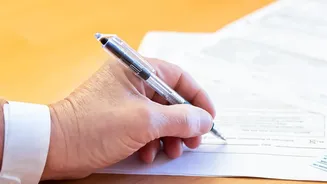
Beyond photos and core documents, several other common errors can derail your passport application. Inconsistent signatures between the application form and your supporting documents are a frequent red flag. Filling out the application form with incorrect information, even by mistake, can lead to rejection. Another critical step is the police verification process. Applicants may be rejected if they are not present at their given address during the officer's visit or if neighbours provide conflicting information. It's also vital to ensure that any past loans or dues are cleared, as outstanding payments can sometimes be a reason for denial. Before submitting, double-check every field on your form, ensure your documents are clear and legible, and prepare for the police verification visit.
Normal vs. Tatkaal: Is the Extra Cost Worth It?
With the new fee structure, the cost difference between Normal and Tatkaal services is significant. So, when should you pay the premium? The Tatkaal scheme is designed for applicants who need a passport urgently for reasons like work, education, or medical emergencies. It promises a much faster processing time, sometimes issuing a passport in just a few days, provided all your documents are in perfect order. However, the Normal scheme is often more efficient than people assume. For a straightforward renewal with no change of address, the processing time can be just a couple of weeks. Fresh applications under the Normal scheme will always take longer due to the mandatory police verification. If you do not have confirmed travel plans in the next 45 days, the Normal route is the most economical choice. Tatkaal provides peace of mind for an urgent deadline, but careful planning can make the Normal process perfectly adequate for most.