





A Form of Moving Meditation
In a world filled with digital distractions, finding a moment of peace can feel like a challenge. Flying a kite offers a unique form of active meditation that can help quiet a busy mind. The act of launching a kite and keeping it airborne requires your
full attention. You become focused on the present moment—feeling the pull of the string, watching the kite's dance against the sky, and responding to the subtle shifts in the wind. This gentle concentration helps to reduce stress and anxiety, allowing you to let go of daily worries. Spending time outdoors, breathing fresh air and looking up at the wide, open sky, has a naturally calming effect and can significantly improve your mental clarity and mood.
A Gentle, Deceptive Workout
While it may look relaxing, flying a kite is a low-impact physical activity that engages your entire body. The process is not a stationary one; it often involves running to get the kite aloft, walking to maintain its position, and constantly making small adjustments with your arms and shoulders to control the line. These movements provide a gentle cardiovascular exercise that gets your heart rate up without being strenuous. It also helps improve hand-eye coordination, balance, and fine motor skills as you react to the wind. For those who spend long hours at a desk, flying a kite serves as an excellent way to stretch neck and shoulder muscles, improving posture and working muscle groups that are often neglected.
A Canvas for Your Creativity
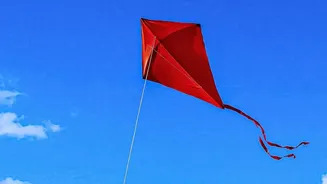
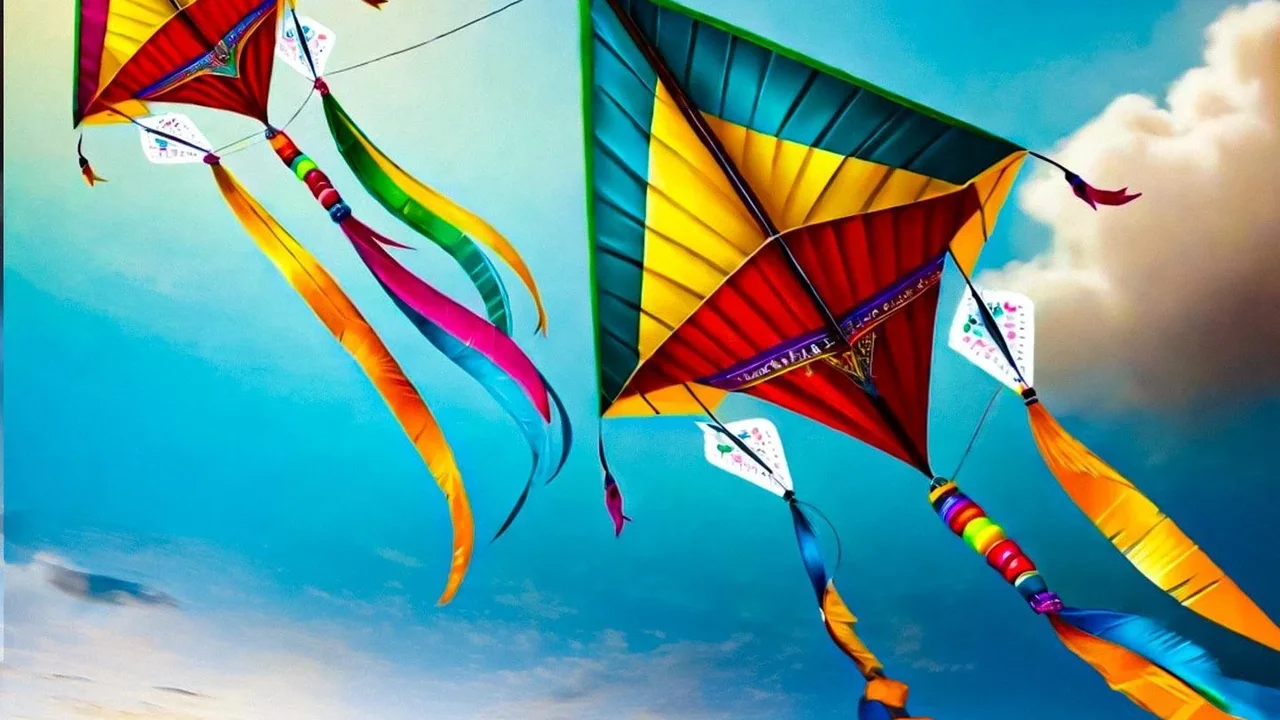
A kite is not just something you fly; it can also be something you create. The world of kiting offers a wonderful outlet for artistic expression. Designing and building your own kite allows you to experiment with different shapes, colours, and materials. From simple diamond shapes made of paper to complex tetrahedral structures, the possibilities are endless. This creative process engages the right side of your brain and provides a sense of accomplishment that is separate from just flying the kite. Even if you start with a store-bought kite, decorating it can be a way to express your personal style. This hands-on activity can be a fulfilling hobby in its own right, turning a simple toy into a unique work of art.
An Unexpected Social Connector
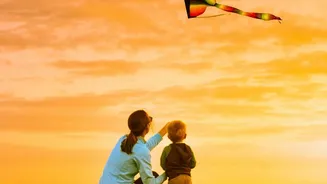
What often starts as a solitary activity can quickly become a social one. Flying a kite is an activity that naturally brings people together, whether it's a planned family outing or a spontaneous gathering at a local park. In India, the tradition of kite flying, especially during festivals like Makar Sankranti, is a vibrant community event that fills the sky with colour and friendly competition. These festivals foster a sense of community and cultural exchange. Even on a normal day, a beautiful kite can be a natural conversation starter, connecting you with fellow enthusiasts and curious onlookers. It’s an inclusive activity that people of all ages and abilities can share, helping to strengthen bonds and create lasting memories away from screens.
A Fun Lesson in Science and Nature
Flying a kite is an engaging, hands-on way to connect with the principles of science and the natural world. To fly a kite successfully, you have to develop an intuitive understanding of concepts like aerodynamics, lift, and drag. You learn to read the wind—noticing its direction and strength—and to observe the weather conditions. This process turns a simple outdoor activity into a practical science lesson. It fosters a deeper connection to nature, encouraging you to step away from indoor distractions and appreciate the world around you. Observing the clouds, feeling the breeze, and understanding the forces that keep your kite soaring provides a sense of wonder and a practical education at the same time.