


The Evening Star: Dazzling Venus
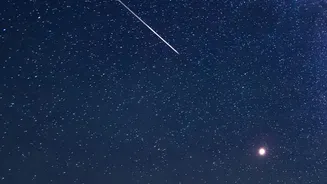
Your first and easiest target this month is Venus, the undisputed queen of the evening sky. Look towards the west just after sunset, and you can't miss it. It will appear as a stunningly bright, silvery point of light, outshining everything except the Moon.
Throughout September, Venus will put on a brilliant display, reaching its peak brightness for the year later in the month. You don’t need any special equipment; its powerful glow is easily visible to the naked eye. On September 14, look for a beautiful pairing as the crescent Moon passes close to Venus, creating a lovely photo opportunity low in the western sky shortly after sunset.
The Main Event: Saturn All Night Long
While not technically at opposition this month, September is the perfect time to get acquainted with Saturn before it reaches that peak in early October. The ringed planet will rise in the east shortly after sunset, appearing as a steady, yellowish point of light. It will be visible for almost the entire night, tracking across the sky. While its famous rings are only visible with a telescope, spotting the planet itself is a rewarding experience. Saturn is much dimmer than Venus or Jupiter, so it can appear more like a bright star. It provides a great opportunity to appreciate the slow and steady movement of the outer planets across our sky. Towards the end of the month, the full Harvest Moon will pass near Saturn, making it even easier to identify.
The Morning Show: Jupiter and Mars
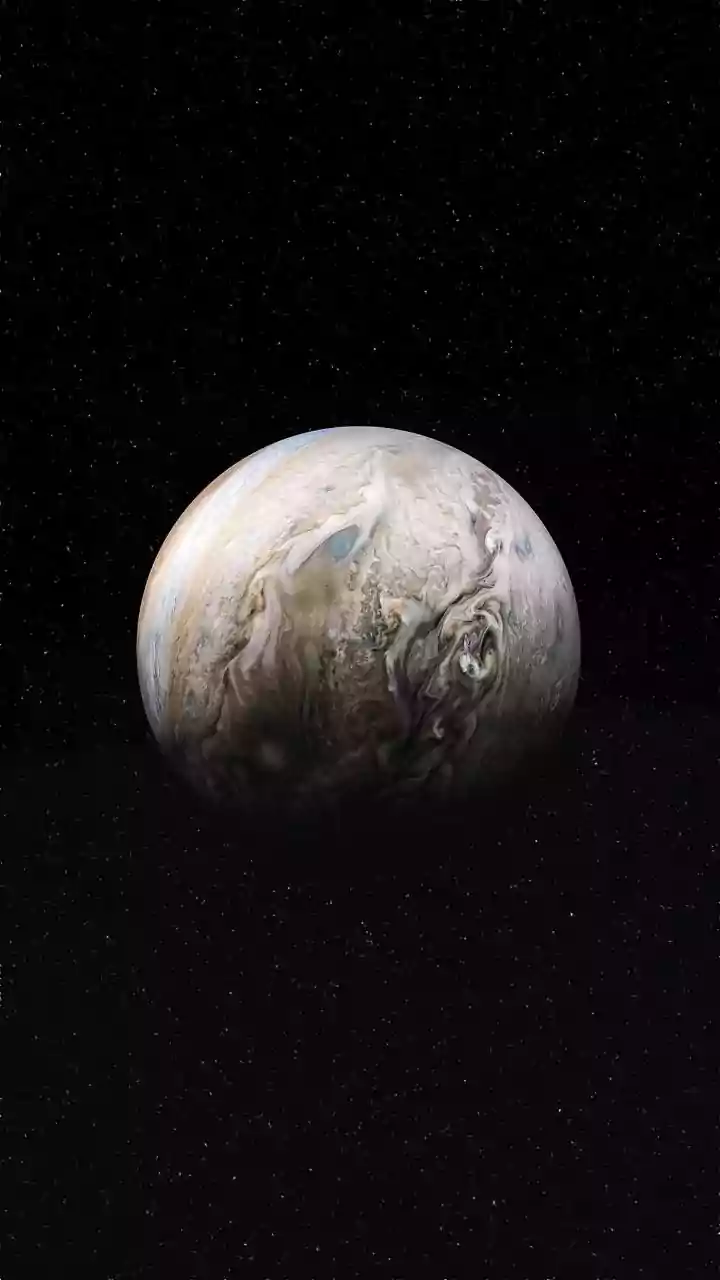
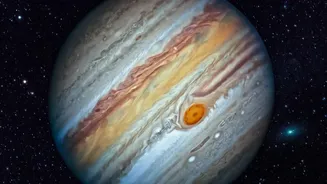
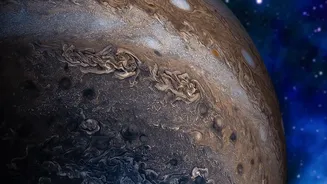
If you are an early riser, the pre-dawn sky has its own spectacular show featuring two planets. The giant of our solar system, Jupiter, will dominate the eastern sky before sunrise. It appears as a very bright, white light that doesn't twinkle like a star. Joining Jupiter is the reddish dot of Mars. On the mornings of September 6 and 8, the waning crescent Moon will create beautiful arrangements with these planets. First, on September 6, the Moon will be near Mars. Then, on September 8, it will form a very close and eye-catching pairing with the much brighter Jupiter. These conjunctions are fantastic moments to see the cosmic dance in action, as the Moon appears to glide past the planets from our earthly perspective.
A Challenge: Spotting Mercury
For those who enjoy a celestial challenge, the innermost planet, Mercury, makes a brief appearance in the first half of September. It will be very low in the western sky, visible for a short time in the bright glow of dusk right after sunset. Mercury is notoriously tricky to spot because it never strays far from the Sun's glare. To have a chance, you will need a perfectly clear, unobstructed view of the western horizon. While it is a bright object, the twilight will make it a difficult but rewarding catch for dedicated sky-watchers.
Tips for the Urban Stargazer
Living in a city with bright lights doesn't mean you have to miss out on the planetary parade. The good news is that planets are bright enough to punch through a surprising amount of light pollution. Find a spot with a clear view of the sky, like a rooftop, a balcony, or a local park. Give your eyes about 15-20 minutes to adjust to the darkness; you'll be surprised how much more you can see. While a telescope is great, a simple pair of binoculars can dramatically enhance your view, especially for seeing the four largest moons of Jupiter, which look like tiny pinpricks of light next to the planet. Most importantly, be patient and enjoy the moment of connection to the wider universe.