


A Planet Drowning in Plastic
The global plastic crisis is staggering. Every year, humans produce millions of tonnes of plastic waste, and only a small fraction is ever recycled. Much of it is single-use, like the polyethylene terephthalate (PET) used for drink bottles, which loses
around 95% of its value after just one use. This waste clogs landfills and pollutes oceans, creating a serious environmental and economic problem. Traditional recycling often turns plastic bottles into lower-value products like fibres for carpets or clothing, which doesn't solve the core issue of waste accumulation. This reality has pushed scientists to think outside the box, asking a radical question: what if instead of just recycling plastic, we could upcycle it into something far more valuable?
From Trash to Tasty Treasure
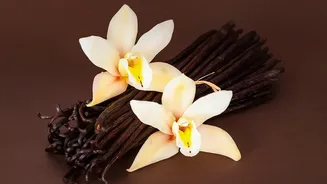
The answer, it turns out, could be sweet. A few years ago, researchers at the University of Edinburgh made a breakthrough. A team led by scientists Joanna Sadler and Stephen Wallace found a way to use genetically engineered bacteria to transform plastic waste into vanillin. Vanillin is the primary chemical compound responsible for the distinct aroma and taste of vanilla. Given that global demand for vanillin far exceeds the supply from natural vanilla beans, about 85% of it is currently synthesised from chemicals derived from fossil fuels. This discovery marked the first time a biological system was used to upcycle plastic waste into a valuable industrial chemical, challenging the perception of plastic as mere rubbish and reframing it as a potential carbon resource.
The Science Behind the Sweetness
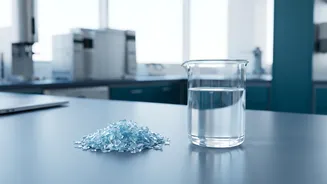
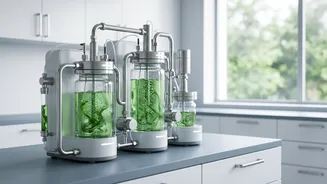
The process is a fascinating example of biotechnology at work. It begins by breaking down PET plastic into its basic chemical components, primarily a molecule called terephthalic acid (TA). Then, the scientists introduce a specially engineered strain of the common bacteria E. coli. The team warmed a broth containing the microbes and TA to about 37°C for a day, similar to brewing beer. During this time, the bacteria go to work, performing a series of chemical conversions that transform the TA into vanillin. In early experiments, this method successfully converted 79% of the acid into the valuable flavouring. More recently, another team at Southern Illinois University took the concept a step further. They used a process involving heat, pressure, and water to break down PET plastic and agricultural waste, then fed the resulting carbon-rich liquid to specialised yeasts, which converted it into proteins, fats, and other flavour molecules.
The Ultimate Taste Test
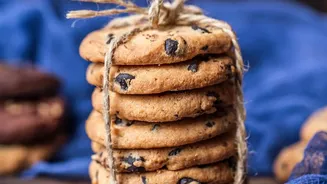
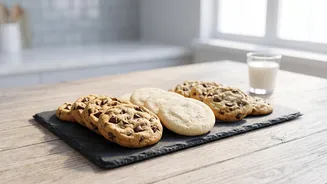
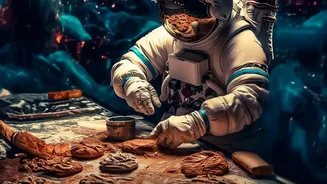
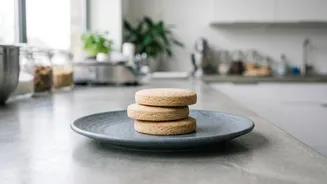
This brings us to the cookies. The Southern Illinois University researchers, as part of a project linked to NASA's Deep Space Food Challenge, mixed their microbially-produced biomass with other ingredients to form a dough. They even 3D-printed the dough into small, cookie-like shapes. However, no one has taken a bite just yet. While the vanillin produced from plastic is chemically identical to the synthetic vanillin already common in food products, the process and final product must undergo rigorous safety testing. The researchers believe the ingredients would be fit for human consumption, but formal approval from regulatory bodies like the U.S. Food and Drug Administration (FDA) is required. This is a standard and non-negotiable step for any novel food ingredient, ensuring that no harmful contaminants from the original plastic make their way into the final product.
More Than Just a Cookie
The potential applications of this technology extend far beyond a novelty snack. Successfully upcycling plastic into high-value chemicals creates a powerful financial incentive to collect and recycle plastic waste, which could be a game-changer for creating a true circular economy. The vanillin itself has a massive global market, used not only in food but also in cosmetics, pharmaceuticals, and cleaning products. Even if public perception makes the idea of eating plastic-derived food a tough sell, these non-edible applications provide a ready market. The scientists are now working to scale up the process, making it more efficient and exploring what other valuable molecules can be brewed from plastic waste. This research lays the foundation for a future where waste streams are seen as resource streams, offering innovative solutions to some of the world's most pressing environmental challenges.