





An Unstoppable Ascent
The numbers tell a compelling story. The Indian outbound tourism market is witnessing a massive boom, projected to grow from USD 23.4 billion in 2026 to nearly USD 69 billion by 2036. Recent reports from August 2026 confirm that despite high operating
costs for airlines, international passenger traffic for Indian carriers continues to see monthly increases. This resilience is striking, especially as airfares have surged. Some reports indicate international fares from India have risen significantly, driven by factors like expensive jet fuel and geopolitical disruptions. Yet, the demand holds strong, suggesting that for a growing number of Indians, international travel has shifted from a rare luxury to an essential lifestyle choice.
The Drivers of a New Wanderlust
This travel bug isn't accidental. It's powered by a combination of economic and cultural shifts. A rising middle class with increased disposable income is a primary driver. Many are now prioritizing spending on experiences like travel over acquiring material goods. This is amplified by the pervasive influence of social media. Platforms like Instagram and YouTube have become the new travel agents, with over 89% of travellers using them for research and inspiration. The endless scroll of stunning landscapes and unique cultural experiences, often showcased by travel influencers, has made foreign destinations more desirable and seemingly accessible than ever before.
New Destinations and Smart Strategies
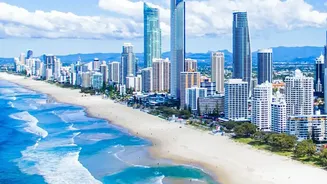
While classic hubs like Dubai, Thailand, and Singapore remain perennial favourites for their convenience and variety, some travellers are looking for fresh experiences. Destinations like Vietnam, Japan, and even parts of Europe like Switzerland and Türkiye are gaining significant traction. Faced with high costs, Indian tourists are becoming smarter strategists. Many are opting for shorter international trips or choosing more budget-friendly destinations in Southeast Asia. Booking flights several months in advance, travelling during the off-season, and opting for budget accommodations like guesthouses and rentals are common tactics to manage costs. Simplified visa processes, including visa-free access to countries like Thailand and Malaysia, have also made spontaneous international trips more feasible.
How Are They Paying For It?
The willingness to absorb higher costs is also being supported by new financial tools. The rise of 'Travel Now, Pay Later' (TNPL) schemes has been a game-changer. These services allow travellers to book their trips immediately and pay for them in manageable monthly instalments, often with no interest if paid on time. This breaks down a large expense, like a ₹60,000 holiday package, into smaller, less intimidating payments, making the dream of an international holiday a reality for many who might not have the full amount upfront. The BNPL market in India is booming, with travel emerging as a top category for such transactions. This financial flexibility, combined with a deep-seated desire to explore, ensures that high ticket prices are a hurdle, not a complete barrier.