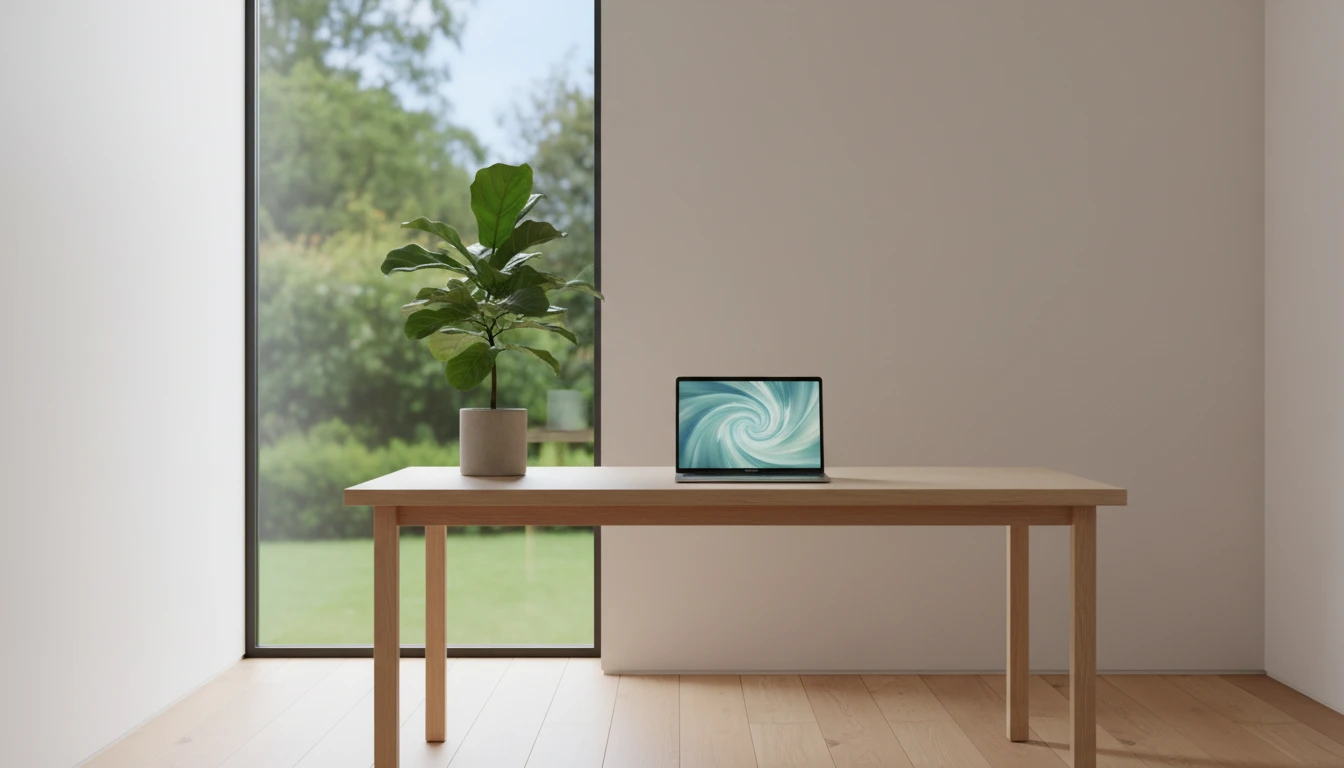







Defining Your Brain’s Environment
When we think of environmental strain, we often picture large-scale issues like smog or industrial waste. While these are critical, our immediate, personal environment also plays a massive role in our daily cognitive function. This includes the noise
levels we endure, the air we breathe indoors, the visual chaos of clutter, and the relentless onslaught of digital notifications. Each of these factors can act as a low-grade, chronic stressor, taxing our brain's resources, disrupting focus, and draining our mental energy without us even realising it. Scientific evidence increasingly shows that these stressors can impair everything from memory to mood. By taking conscious steps to manage these inputs, we can create a setting that supports, rather than strains, our brain health.
The High Cost of Constant Noise
From the persistent hum of traffic in urban centres to the open-plan office chatter, constant noise is a powerful environmental stressor. Prolonged exposure to unwanted sound keeps the body's stress response on high alert, releasing cortisol that can disrupt sleep and impair the function of brain regions critical for memory and learning, like the hippocampus. Studies have linked chronic noise exposure to reduced cognitive performance, especially in tasks requiring attention and memory. You can reclaim your auditory peace by using noise-cancelling headphones during focus-heavy tasks, creating designated quiet zones in your home, or using a white noise machine to mask jarring, unpredictable sounds with a consistent, soothing hum. Even soft furnishings like rugs and curtains can help absorb sound and create a calmer atmosphere.
Clearing the Air for a Clearer Mind
The quality of the air we breathe has a direct impact on our brain. Fine particulate matter (PM2.5), found in vehicle exhaust and industrial emissions, is a significant concern. Research shows that long-term exposure to air pollution can impair cognitive skills, accelerate cognitive decline, and increase the risk for neurodegenerative diseases. One study found that higher exposure to these pollutants was linked to lower scores on tests of semantic memory, which is the brain's long-term storage for facts and general knowledge. While you can't control the air everywhere, you can improve it in your personal spaces. Using high-quality air purifiers at home, investing in indoor plants known for their air-cleaning properties, and checking daily air quality reports to schedule outdoor activities on cleaner days are all practical steps.
Declutter Your Space, Unburden Your Brain
A messy, cluttered space can create a cluttered mind. Physical clutter bombards our brain with excessive sensory stimuli, making it harder to focus and process information efficiently. Studies have found a direct link between cluttered home environments and higher levels of the stress hormone cortisol, particularly in women. This constant, low-level stress can lead to mental fatigue, feelings of being overwhelmed, and decreased life satisfaction. The act of decluttering can feel empowering and provide a sense of control. Start small by tackling one drawer, shelf, or corner at a time to avoid feeling overwhelmed. Creating a system where everything has a place reduces the mental load of constantly searching for items and allows your mind to stay calm and focused.
Taming the Digital Deluge
Our digital environment is perhaps the most pervasive source of modern environmental strain. The constant stream of notifications, emails, and social media updates leads to a state of 'digital overload', which can result in mental fatigue, anxiety, and a reduced attention span. This constant task-switching and information bombardment overworks the prefrontal cortex, which is responsible for planning and focus. Over time, this can even alter neural pathways, making deep concentration more difficult. To combat this, schedule specific times to check emails and messages rather than reacting to every ping. Turn off non-essential notifications on your phone and computer. Practice 'digital detoxes' by setting aside screen-free time each day to allow your brain to rest and recharge without constant digital stimulation.