




Navratri 2026: Key Dates
The Sharad Navratri festival in 2026 will begin on Sunday, October 11, and conclude with Vijayadashami (Dussehra) on Tuesday, October 20. Fasting practices often vary by family and region, but the core dietary principles remain consistent, focusing on 'sattvic'
or pure foods that are light on the body and mind.
Foods to Eat: Grains and Flours
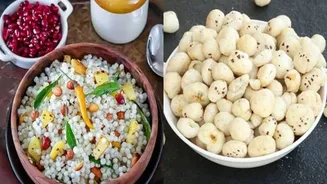
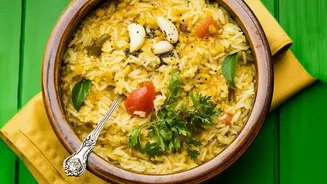
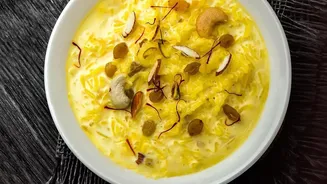
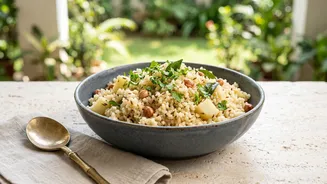
Regular grains like wheat and rice are avoided during Navratri. Instead, the focus shifts to a group of versatile and nutritious alternatives. You can use Kuttu ka Atta (buckwheat flour), Singhare ka Atta (water chestnut flour), and Rajgira ka Atta (amaranth flour) to make puris, rotis, and cheelas. Samak ke Chawal (barnyard millet) is a popular substitute for rice and can be used to prepare khichdi, pulao, and dhoklas. Sabudana (tapioca pearls) is another fasting staple, perfect for making khichdi, vadas, and kheer.
Foods to Eat: Fruits and Vegetables
All fruits are permitted and are an excellent way to stay hydrated and energised. Popular choices include bananas, apples, pomegranates, and melons. For vegetables, the list is more specific. Potatoes, sweet potatoes, pumpkin, bottle gourd (lauki), arbi, carrots, and cucumbers are widely consumed. Tomatoes and raw bananas are also acceptable in most traditions. These can be used to make simple and delicious sabzis.
Foods to Eat: Dairy, Nuts, and Spices
Dairy products like milk, yogurt (curd), paneer, and ghee are central to the Navratri fast, providing essential proteins and calcium. All nuts and dry fruits, such as almonds, walnuts, cashews, and makhana (fox nuts), are allowed and make for great snacks. When it comes to seasoning, regular table salt is replaced with Sendha Namak (rock salt). Permitted spices generally include cumin, black pepper, green chillies, and ginger.
Foods to Avoid: Grains, Legumes, and Flours
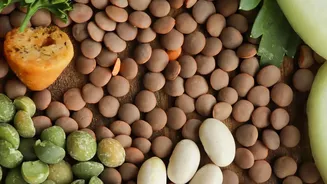
A key rule of Navratri fasting is the strict avoidance of common grains. This means no wheat, rice, corn, oats, or barley. Flours derived from these grains, such as all-purpose flour (maida), semolina (suji), and chickpea flour (besan), are also prohibited. Additionally, all lentils and legumes like dals, beans, and chickpeas must be excluded from your diet during these nine days.
Foods to Avoid: Certain Vegetables and Spices
Onion and garlic are considered 'tamasic' (producing negative energy) and are strictly forbidden during the fast. Other vegetables to avoid may include brinjal, cauliflower, and mushrooms, though rules can vary. In the spice department, Haldi (turmeric), Hing (asafoetida), and mustard seeds are generally not used. Stick to the simpler, approved spices to flavour your meals.
Foods to Avoid: Non-Vegetarian Items and Processed Foods
Navratri is a period of purification, so all non-vegetarian foods, including meat, fish, and eggs, are completely off-limits. Alcohol and tobacco are also strictly prohibited. It is also advised to stay away from processed and packaged foods, as they often contain preservatives, regular salt, and other ingredients not permitted during the fast. This includes chips, biscuits, and most ready-to-eat snacks. Opt for homemade preparations using fresh ingredients instead.