





From Dream to Decree
What was once a long-discussed concept has recently solidified into a concrete plan. In early August 2026, Ladakh's Lieutenant Governor, Vinai Kumar Saxena, formally approved the introduction of India's first-ever high-altitude wildlife safari. This decision
was made during the inaugural meeting of the newly formed Snow Leopard and High-Altitude Nature (SHAN) Conservation Society, a body created to guide sustainable development in the region. The approval sets in motion a series of official actions, moving the safari from the drawing board and into the preparation phase. The directive from the administration is clear: the Forest Department is to explore and operationalise the project, marking a pivotal moment for tourism in the Union Territory.
A Vision of the Himalayan Wild
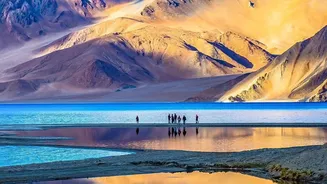
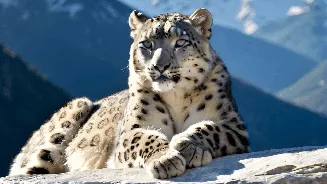
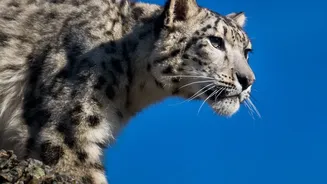
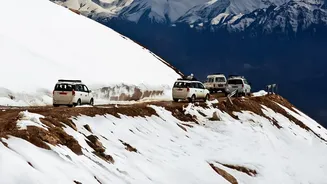
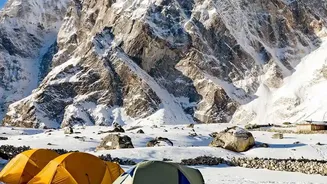
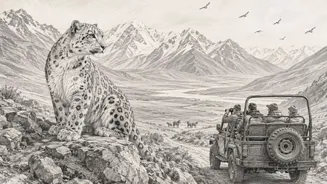
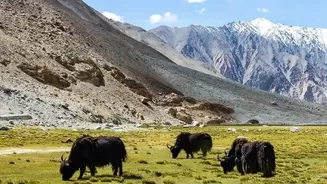
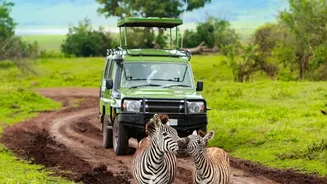
The proposed safari is unlike any other in India. It will feature guided jeep tours modelled on successful conservation-focused parks like Kaziranga and Ranthambore, using specially designed open-back vehicles. The primary goal is to provide visitors a rare, guided opportunity to witness Ladakh's spectacular fauna, most notably the elusive snow leopard. Ladakh is home to an estimated 477 snow leopards, the largest population in the country. Beyond the 'ghost of the mountains', the safari will also focus on bird-watching trails to showcase the region's 340 avian species. Potential routes are being explored across vast, breathtaking landscapes including Hemis National Park, the Changthang and Karakoram Wildlife Sanctuaries, and wildlife-rich areas of Nubra, Zanskar, and Kargil.
Regulating and Empowering
A core objective of this initiative is to replace unregulated tourism with a structured, responsible model. The administration aims to curb incidents of illegal off-roading, which damages the fragile terrain and disturbs wildlife, by providing a formal, guided alternative. This isn't just about control; it's also about community partnership. The plan explicitly seeks to make local communities equal partners in conservation and its economic benefits. As part of the project, 20 local youths will be selected and trained as expert guides in bird identification and spotting, and equipped with binoculars for tours. Furthermore, women artisans will be trained to create wildlife-themed souvenirs, ensuring that the economic benefits of tourism are distributed at the grassroots level.
Balancing Act in a Fragile Paradise
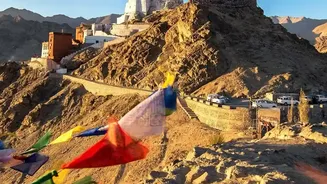
The careful, structured approach is crucial because Ladakh is an exceptionally fragile ecosystem. The rise in tourism over the past two decades, while economically beneficial, has placed immense strain on the region's resources. Environmental experts have long pointed to severe challenges with waste management, with reports indicating that tens of thousands of plastic bottles are discarded daily during peak season. The influx of visitors also strains precious water resources in the cold desert, where the shift from traditional dry toilets to flush toilets in hotels and guesthouses has depleted the water table. The new safari model, with its emphasis on guided tours and community stewardship, is designed to mitigate these impacts, promoting a form of tourism that respects the delicate environmental balance.
So, When Can We Go?
This is the question on every traveller's mind. While the project has been green-lit, you cannot book a spot just yet. The formal approval is the first step. Now, the Forest Department and other agencies are tasked with the complex work of finalising the exact routes, training the local guides and drivers, and establishing the operational framework. However, there is a sense of urgency. The Lieutenant Governor has directed officials to complete all necessary preparations before the start of the winter snow leopard sighting season this year. This suggests that, if all goes to plan, the first safaris could potentially be running in the coming months, transforming a long-held plan into a thrilling reality for visitors.