


Bengal's Golden Offering
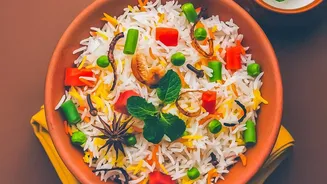
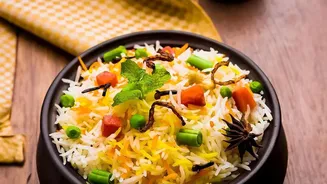
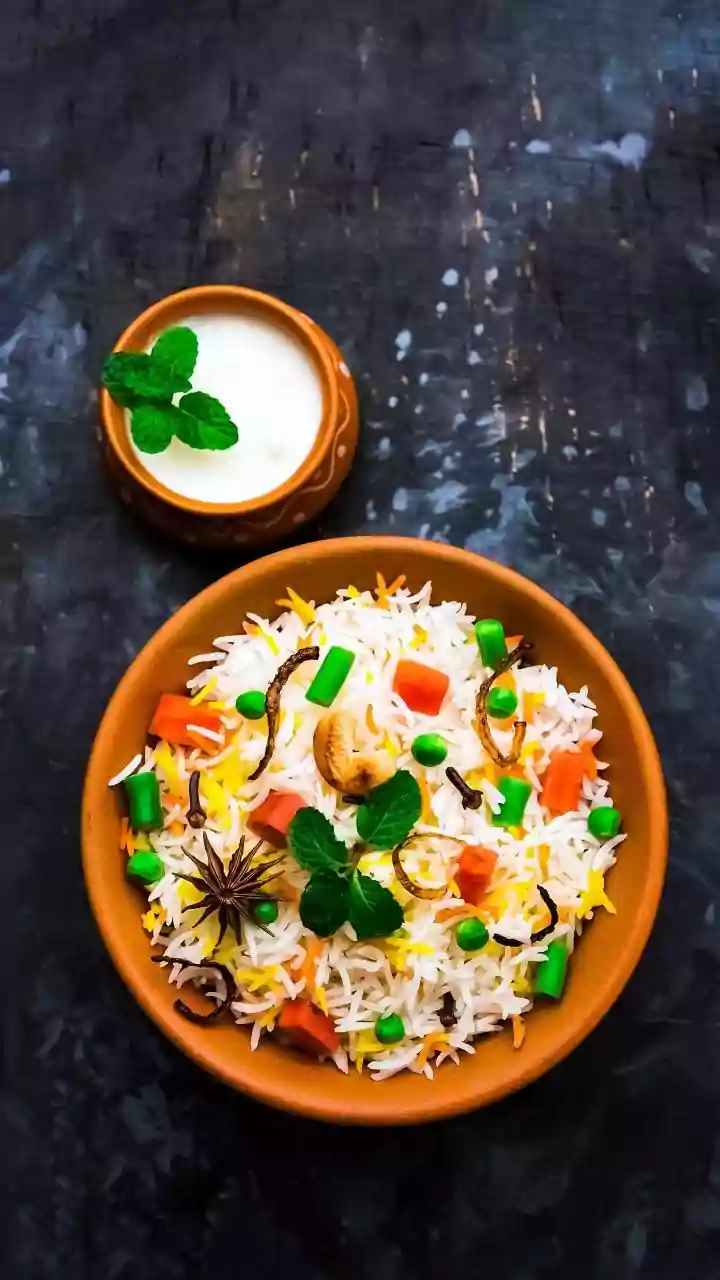
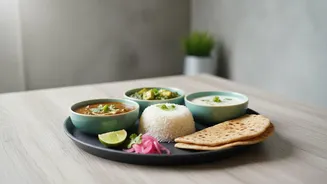
Imagine a rice dish the colour of sunshine, fragrant with ghee and whole spices, and studded with cashews and raisins. This is Basanti Pulao, a sweet and savoury treasure from West Bengal. Its name, meaning 'yellow', is a nod to its vibrant hue, traditionally
achieved with a pinch of turmeric or expensive saffron. This dish is more than just food; it's a cultural icon, deeply woven into celebrations like Durga Puja and Pohela Boishakh. Often called Mishti Pulao, its gentle sweetness is designed to balance spicier side dishes. The secret to its distinctive taste and aroma lies in the use of Gobindobhog rice, a short-grained, buttery variety native to Bengal. This specific rice, which has earned a Geographical Indication (GI) status, is prized for its ability to absorb flavours while remaining delightfully fluffy. The dish itself has a rich history, believed by some food historians to have evolved from the Zard Pulao of the Mughal era, adapted by Bengali zamindars and eventually embraced by all.
An Ancient Grain for a Modern Plate
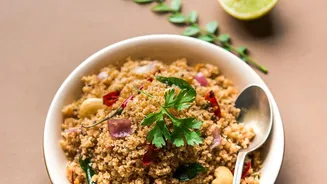
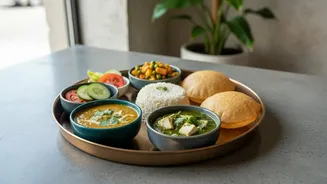
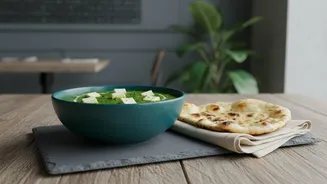
On the other end of the flavour spectrum is the Khapli Roti, a humble flatbread with an extraordinary past. This roti is made from Khapli wheat, the Indian name for Emmer wheat, one of the first grains ever domesticated by humans nearly 10,000 years ago. Cultivated in India for thousands of years, particularly in Maharashtra, Karnataka and Gujarat, Khapli was a staple long before modern, high-yield wheat varieties became dominant during the Green Revolution. Today, it’s making a powerful comeback as health-conscious consumers rediscover what their ancestors knew: this ancient grain is a nutritional powerhouse. Khapli wheat has a lower gluten content and is easier to digest for many people. It is also higher in protein and dietary fibre compared to regular wheat, and has a lower glycemic index, which means it releases energy more slowly and keeps you feeling full for longer. The roti itself has a distinct nutty and earthy flavour with a slightly denser texture than a typical chapati, offering a satisfying and wholesome eating experience.
A Nationwide Culinary Rediscovery
The rising popularity of Basanti Pulao and Khapli Roti isn't just about two specific dishes. It signals a broader, exciting trend in Indian food: a turn towards regional authenticity and hyperlocal ingredients. For years, mainstream restaurant menus often presented a homogenized version of Indian cuisine. Now, a new generation of chefs, home cooks, and food enthusiasts are championing the diversity that makes the country's food culture so rich. This movement is about celebrating heritage and looking inward to find new inspiration. It’s about understanding that the food from a specific district in West Bengal is different from one in Maharashtra, and that both have incredible dishes to offer. By seeking out grains like Khapli or region-specific rice like Gobindobhog, people are not just cooking; they are connecting with a deeper culinary history and supporting agricultural biodiversity.
Exploring a World of Flavour
Embracing this trend doesn't require a complete kitchen overhaul. It can start simply. The next time you dine out, look for restaurants that specialize in a particular regional cuisine—be it Bengali, Malvani, or Kathiyawadi. When shopping, keep an eye out for heritage grains and local produce. Specialty food stores and online platforms now make it easier than ever to source ingredients like Khapli atta or Gobindobhog rice. Exploring online food blogs and channels dedicated to regional Indian cooking can also provide a wealth of authentic recipes and techniques. Trying your hand at making Basanti Pulao for a festive meal or incorporating Khapli Roti into your daily diet are simple ways to participate in this delicious rediscovery. It's an invitation to expand your palate and appreciate the incredible variety that has always been a hallmark of Indian cooking.