



Beyond Sushi and Tempura
When we think of Japanese food, sushi and ramen often come to mind, which can be intimidating for vegetarians. However, Japan has a vast and ancient tradition of plant-based eating, historically rooted in Buddhist principles. This has given rise to a huge
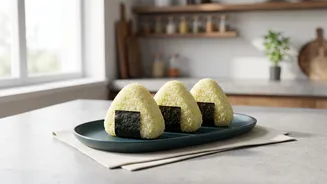
variety of vegetarian snacks that are not only delicious but also align remarkably well with Indian palates. These range from savoury rice crackers (senbei) and crispy seaweed to soft, sweet mochi and wholesome edamame. Many traditional Japanese sweets have historically been made from plant-derived staples like rice, sweet rice flour, and red bean paste. It’s a world of flavour waiting to be explored beyond the usual restaurant fare.
The Shared Language of Umami
The secret ingredient that connects both cuisines is umami, the fifth taste. Described as a pleasant savoury or 'meaty' flavour, umami is central to Japanese cooking, often derived from kombu (seaweed), miso, and soy sauce. While the term is Japanese, the taste is deeply familiar in India. We create it through processes like 'bhunao' (caramelising onions and garlic) and by using ingredients like tomatoes, fermented batters, and asafoetida (hing). Many Japanese snacks are designed to deliver a satisfying umami punch, offering a flavour profile that, while different in form, feels instantly recognisable and satisfying to an Indian taster.
A Common Pantry of Ingredients
The foundation of many vegetarian Japanese snacks is strikingly similar to that of Indian ones. Rice is a hero ingredient in both cultures, forming the base for Japanese senbei, arare, and okaki crackers, much like it does for countless Indian snacks. Soybeans are another crucial link. While we use them whole or as dal, Japanese cuisine transforms them into tofu, edamame, and kinako (roasted soybean flour). Tofu, with its ability to soak up flavours, serves as a fantastic alternative to paneer in various dishes, from scrambles to curries. Even buckwheat, known to us as 'kuttu ka atta', is used to make Japanese soba noodles. This shared ingredient base makes Japanese snacks less of a foreign concept and more of a new interpretation of familiar foods.
Health and Convenience for the Modern Home
In today's fast-paced world, the demand for healthy, convenient snacks is higher than ever. Japanese snacks excel in this area. Many options, like baked rice crackers, are low in fat compared to their fried Indian counterparts. Snacks featuring seaweed, soybeans, and green tea are packed with nutrients, fiber, and antioxidants, supporting everything from digestion to heart health. Steamed edamame is a simple, protein-rich snack that can be ready in minutes. Even treats like mochi, a chewy rice cake, offer a lighter, often gluten-free alternative to some heavier flour- or milk-based Indian sweets. Their typical single-serving packaging also aligns with modern needs for portion control and on-the-go convenience.
How to Start Your Japanese Snack Journey
Integrating these snacks into your daily routine is simple. Swap your usual fried tea-time snack with a handful of savoury soy-sauce-flavoured rice crackers (senbei). Pack some roasted edamame or a small mochi for a quick tiffin treat. Use nori (seaweed sheets) not just for sushi but also as a crunchy, flavourful topping for a bowl of dal-rice. While many savoury snacks can contain hidden fish or meat extracts, starting with simpler options like plain salted rice crackers, edamame, and traditional bean-based sweets is a safe and delicious way to begin. Explore flavours like matcha, black sesame, and red bean, which offer a new yet comforting taste experience.