



An Unexpected Sweet Treat
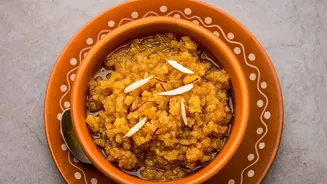
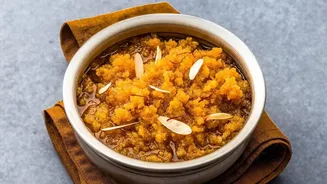
At first glance, a dessert made from potatoes might sound unusual, but Aloo Halwa is a beloved classic in North Indian cuisine, particularly in Uttar Pradesh. It's a go-to sweet during religious fasts like Navratri or Ekadashi, when grains are often avoided.
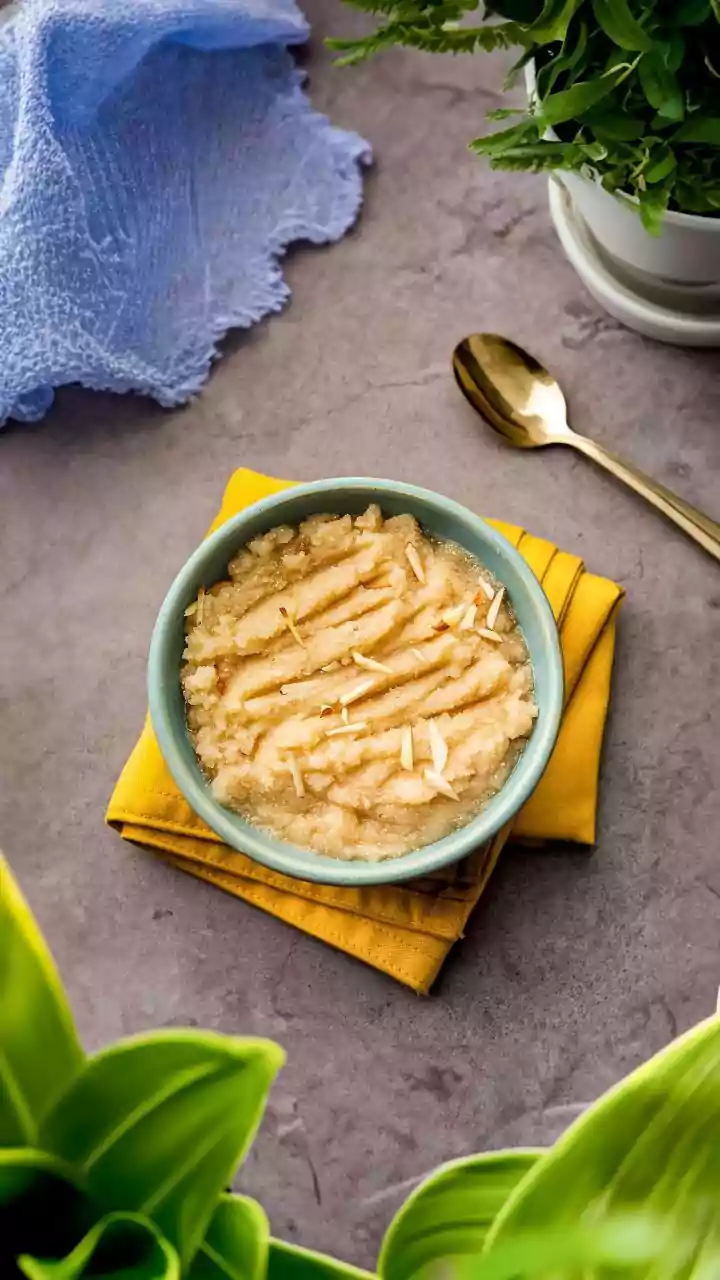
The magic of this dish lies in its transformation; the starchy, savoury potato is cooked down with generous amounts of ghee and sugar until it becomes a fragrant, glossy, and utterly delicious pudding. It’s a comforting, filling, and surprisingly quick dessert to prepare, proving that the versatile potato knows no bounds.
Gather Your Simple Ingredients
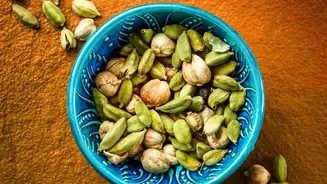
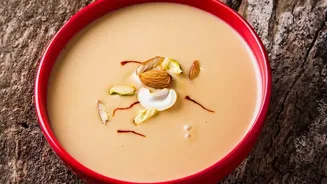
The beauty of Aloo Halwa is its short and accessible ingredient list. You likely have most of these in your pantry already. You will need potatoes (starchy varieties work best), pure ghee (clarified butter), sugar, and a splash of milk. For flavour and aroma, ground cardamom is essential. Many cooks also add a few strands of saffron, soaked in warm milk, to impart a beautiful golden hue and subtle fragrance. For garnish, slivered almonds, cashews, and pistachios add a delightful crunch. It’s crucial to use ghee instead of oil for that authentic, rich taste and aroma.
Step 1: The Perfect Boil and Mash
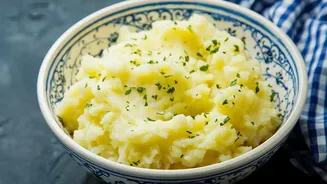
The foundation of a great Aloo Halwa is perfectly prepared potatoes. Start by boiling the potatoes until they are completely soft and tender all the way through. You can do this in a pressure cooker or a pot. Once cooked, peel the potatoes while they are still warm and mash them thoroughly. For an exceptionally smooth, lump-free texture, it’s best to grate the boiled potatoes or pass them through a sieve. Ensuring there are no lumps is a key step for achieving the halwa’s signature velvety consistency.
Step 2: The Art of Roasting
This is the most critical stage, where patience pays off. Heat a generous amount of ghee in a heavy-bottomed or non-stick pan over low to medium heat. Add the mashed potatoes and begin to sauté, stirring continuously. Initially, the potato will absorb all the ghee. Keep stirring and cooking for about 10 to 15 minutes. You'll notice the mixture slowly changing colour to a light golden brown and a wonderful aroma will fill your kitchen. The goal is to cook out the raw potato flavour. Eventually, the mixture will start to release the ghee, becoming glossy and less sticky—a sign that you're ready for the next step.
Step 3: Sweeten and Finish
Once the potato is well-roasted, it's time to add the sugar. Stir it in, and the mixture will become a bit runny as the sugar melts. Continue to cook, stirring constantly, as the halwa begins to thicken and pull away from the sides of the pan. This is when you can pour in any milk or saffron-infused milk and add the ground cardamom. Keep stirring until the halwa comes together into a single, cohesive mass that glistens with ghee. Finally, mix in your toasted nuts, reserving some for garnish. The entire process of sweetening and finishing happens quickly, often in under 10 minutes.
Tips for Halwa Perfection
To ensure success, always use a heavy-bottomed or non-stick pan to prevent the halwa from sticking and burning. The most important tip is not to rush the roasting process; cooking the potato slowly in ghee is what develops the deep, rich flavour. Be generous with the ghee, as it’s essential for both the taste and texture. You can adjust the amount of sugar to your liking. For a richer flavour, some recipes suggest adding milk powder or cream along with the sugar. Serve the Aloo Halwa warm, garnished with extra nuts, for the best experience.