


The Magic of Roasting
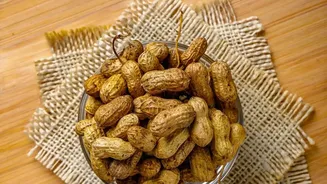
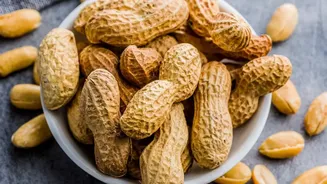
The journey to a crunchy peanut begins with heat. When raw peanuts are roasted, two key things happen. First, the high temperature drives out a significant amount of moisture. Second, it triggers the Maillard reaction, a complex chemical process between
amino acids and reducing sugars. This reaction is responsible for creating the characteristic golden-brown colour and the rich, toasty flavours and aromas we associate with roasted nuts. Roasting fundamentally changes the peanut's internal structure, reducing its moisture and setting the stage for the texture that follows. However, roasting alone doesn't guarantee a good crunch. In fact, if you were to bite into a peanut straight from the oven, you'd likely find it disappointingly soft or chewy. The real transformation is yet to come.
The Unseen Enemy: Trapped Steam
Even after extensive roasting, peanuts still contain water. At the high temperatures of an oven, this water exists as pressurised steam trapped within the nut's cellular structure. Think of it like a tiny pressure cooker. The heat has forced the water into a gaseous state, but it has nowhere to go while the peanut is still hot and its structure is relatively pliable. If the peanut cools too quickly or in a humid environment, this steam can get reabsorbed into the peanut's starches and proteins as it condenses back into water. This rehydration is the nemesis of crunch, resulting in a texture that is leathery, soft, or stale-tasting. The headline's claim is therefore spot on: the escape of this residual steam is absolutely critical.
Why Cooling Is the Key to Crunch
The cooling period is when the final, crunchy texture is locked in. As roasted peanuts rest at room temperature, the temperature difference between the nut and the surrounding air allows the trapped steam to escape. You can sometimes even hear a faint crackling sound as hot peanuts cool, which is the sound of this process happening. As this water vapour leaves, it creates microscopic air pockets throughout the nut. This process effectively dries the peanut from the inside out, making its internal structure more porous and brittle. This glassy, fragile structure is what shatters when you bite into it, creating the sound and sensation we perceive as a satisfying crunch. Without proper cooling, the structure remains dense and damp, leading to a dull thud instead of a sharp snap.
Achieving the Perfect Snap at Home
This scientific principle is not just for large-scale food producers; you can use it to perfect your own roasted nuts at home. After roasting, the most important step is to manage the cooling process. To facilitate the escape of steam, spread the hot peanuts in a single, even layer on a baking sheet or a wire rack. This maximises the surface area exposed to the air, preventing them from steaming each other in a pile. Avoid covering them or putting them in a container while they are still warm, as this will trap the steam and create a humid environment, leading to sogginess. A dry, low-humidity day provides the ideal conditions for candy-making for the same reason—it allows moisture to evaporate efficiently, letting the structure set properly. Patience is a virtue here; peanuts will continue to get crunchier as they cool to room temperature.