
The Secret to Variety: Component Prep
The biggest misconception about meal prep is that it means eating the same perfectly-portioned meal five days in a row. While that works for some, for many, the repetition is what makes the habit hard to stick with. The solution is 'component prep'. Instead
of making five identical containers of chicken and broccoli, you prepare individual ingredients—or building blocks—that can be mixed and matched into different meals throughout the week. This approach offers the convenience of having food ready to go, but with the flexibility to create something new each day based on what you're in the mood for.
Start with Your Building Blocks
The key to successful component prep is choosing versatile ingredients that work well in different combinations. A simple formula is to prepare a few options from each of these categories at the start of the week:
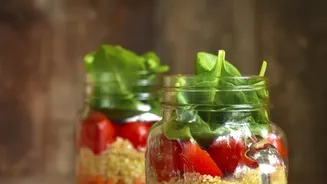
Grains (Pick 1-2): A big batch of quinoa, brown rice, or even pasta can serve as the foundation for bowls, salads, or side dishes. These are hearty, filling, and take on other flavors well.
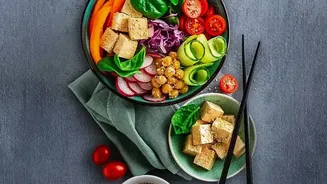
Proteins (Pick 1-2): Cook a versatile protein like shredded chicken, baked tofu or tempeh, or a pot of lentils. These can be seasoned simply with salt and pepper, allowing you to add more specific flavors later.
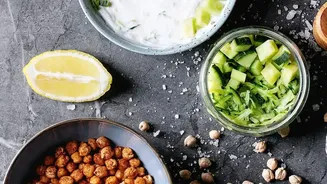
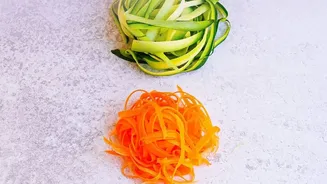
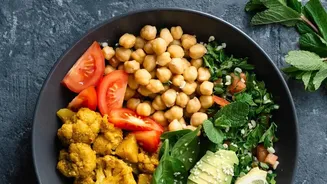
Vegetables (Pick 2-3): Roast a large tray of sturdy vegetables like broccoli, sweet potatoes, bell peppers, or cauliflower. They add nutrients, texture, and color. Also keep some quick-add raw veggies on hand, like spinach, cherry tomatoes, or cucumbers.
The Mix-and-Match Method in Action
With your components prepped and stored, assembling lunch takes only a few minutes. The magic happens when you introduce sauces and toppings, which completely change the character of the meal. Imagine you’ve prepped quinoa, shredded chicken, and roasted broccoli. Here’s how your week could look:
Monday: A classic grain bowl with quinoa, chicken, and broccoli, drizzled with a lemon-tahini dressing.
Tuesday: Use the shredded chicken for a quick wrap with a whole-wheat tortilla, a smear of hummus, and a handful of fresh spinach.
Wednesday: Combine the quinoa and broccoli, add a can of chickpeas, and toss with a Greek vinaigrette and feta cheese for a Mediterranean-inspired salad.
Thursday: Gently reheat the chicken, broccoli, and quinoa with a splash of teriyaki sauce for an easy stir-fry bowl.
Friday: An “everything” bowl where you use up the remaining components, perhaps with a fried egg on top for an extra protein boost.
Sauces and Toppings Are Your Friends
Sauces are the fastest way to create variety. You don't have to make them all from scratch; having a few quality store-bought options can be a game-changer. Think pesto, various vinaigrettes, salsa, hummus, barbecue sauce, or peanut sauce. The same goes for toppings. A sprinkle of toasted nuts or seeds, a crumble of cheese, or some pickled onions can add that finishing touch of flavor and crunch that makes a meal feel special, not pre-fab. Keeping these items in your pantry and fridge is just as important as the core components you prep.
Smart Storage for Lasting Freshness
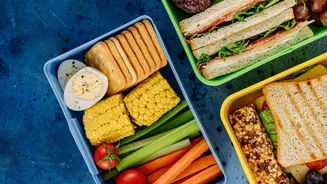
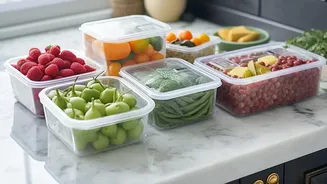
To ensure your prepped food stays appealing all week, proper storage is crucial. Invest in quality airtight containers, preferably glass, as they don’t hold onto stains or odors. Store ingredients separately to maintain their texture and freshness. For instance, keep dressings and sauces in their own small containers to avoid making salads or grains soggy. Wait for cooked food to cool completely before sealing and refrigerating. Most cooked components like grains, roasted vegetables, and proteins will stay fresh for about four days in the fridge, perfectly covering your work week.