

A Network of Possibilities
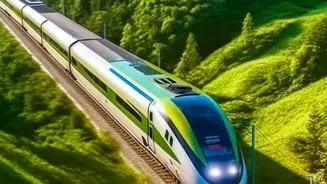
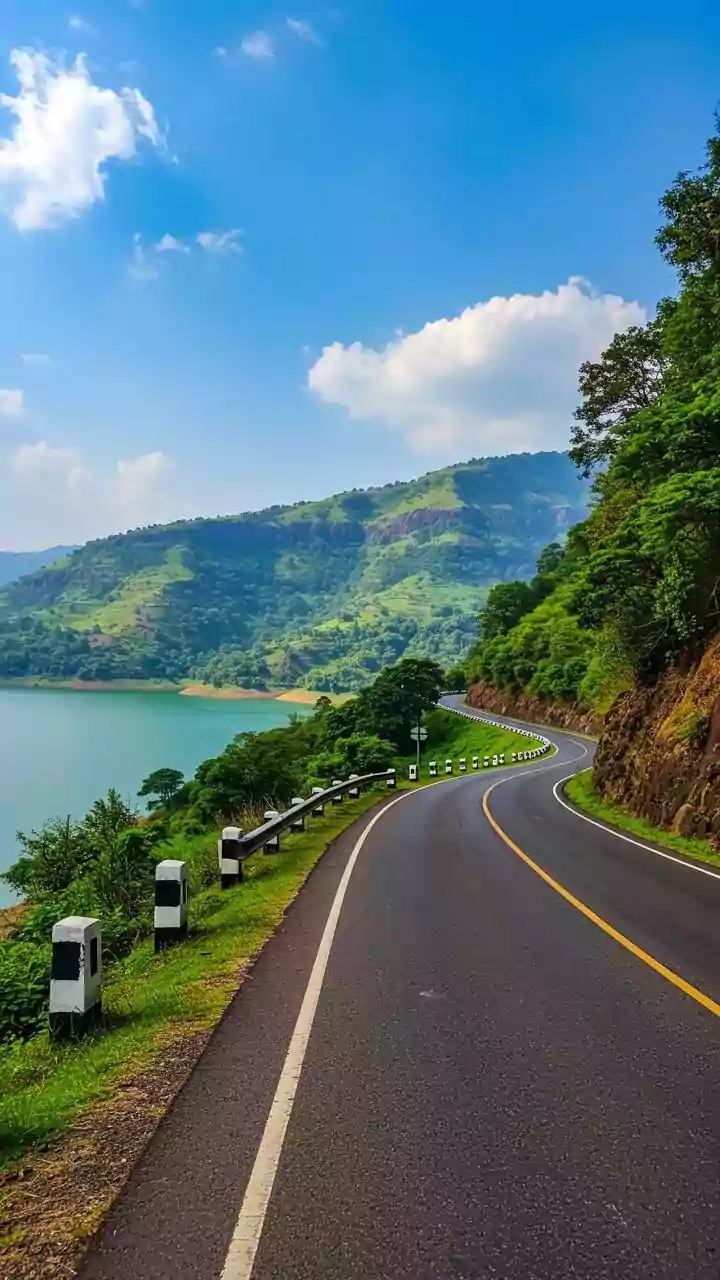
India is in the midst of an infrastructure revolution that is fundamentally changing how people travel. Ambitious projects like the Bharatmala Pariyojana are creating a web of high-speed corridors, while the rapidly expanding Vande Bharat Express train
network is slashing rail journey times. As of late 2026, the country's road network stretches over 6.4 million kilometres, and the Vande Bharat network has expanded to over 80 operational routes. This isn't just about getting from point A to B faster; it's about making multi-destination trips more practical and appealing than ever before. The focus is on creating integrated travel experiences, linking heritage sites, wildlife sanctuaries, and spiritual centers into connected itineraries.
The Expressway Effect: New Road Trip Itineraries
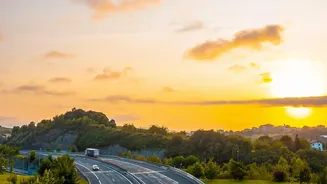
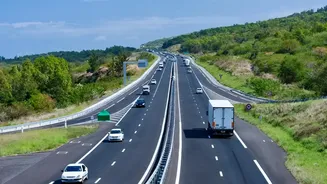
The new expressways are acting as tourism corridors, making once-separate destinations into a single, cohesive road trip. The Delhi-Mumbai Expressway, for instance, has redefined travel through Rajasthan and Gujarat. A journey that once took nearly 25 hours is being cut down dramatically, allowing travellers to easily create a circuit that includes Jaipur, the tiger reserves of Ranthambore or Sariska, and the cultural hubs of Udaipur and Ahmedabad. Similarly, in Maharashtra, the Samruddhi Mahamarg now connects key sites like Shirdi, Nashik, and the UNESCO-listed Ajanta and Ellora caves into a single, accessible route. In Central India, the Bundelkhand Expressway has done the same for a heritage circuit including Orchha, Khajuraho, and Chitrakoot.
Spiritual Journeys, Simplified by Rail and Road
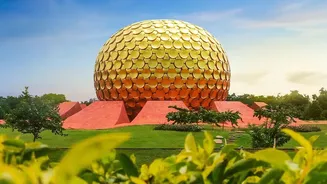
Pilgrimage travel is seeing one of the biggest transformations. The Vande Bharat trains have become a key driver for religious tourism, offering fast and comfortable connections to major spiritual hubs. Routes to cities like Varanasi, Ayodhya, Tirupati, and Shirdi have seen a surge in passengers, with nearly 4 crore people travelling on these trains in FY 2025-26 alone. In Uttar Pradesh, the new 594-km Ganga Expressway is a game-changer, cutting the travel time between Meerut and Prayagraj from over 10 hours to just six. This expressway links a host of spiritual sites, including Garhmukteshwar, Kalki Dham, and the Triveni Sangam, making it possible for pilgrims to cover multiple destinations in a single trip.
Connecting the Crown and the Coast
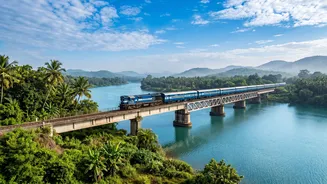
The benefits of enhanced connectivity are reaching every corner of the country. In the north, improved rail links are making destinations in Kashmir more accessible. The Vande Bharat service between Jammu and Srinagar, for example, has significantly boosted tourism in places like Gulmarg. Similarly, better rail connectivity to the Northeast, with services like the New Jalpaiguri-Kamakhya Vande Bharat, is opening up the region’s unique cultural and natural landscapes to more travellers. On the western coast, new train services are being introduced to connect Haridwar with key pilgrimage sites in Gujarat, such as Somnath (near Veraval) and Dwarka (near Okha), linking two major spiritual circuits. This improved access promises to facilitate travel for tourists and pilgrims moving between Uttarakhand and western India.