
The Science of the Sizzle
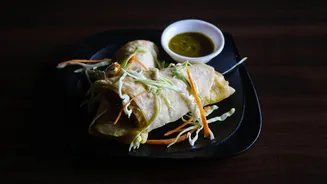
The magic of a great pesarattu happens in the first few seconds it touches the pan. When the batter hits a properly heated tawa, the water in it instantly turns to steam. This rapid evaporation creates tiny pockets of air, resulting in a light, lacey
web-like structure. The intense heat immediately sears the bottom, forming a crisp crust that slides right off the pan. According to food scientists, this phenomenon, related to the Leidenfrost Effect, is crucial. If the tawa is not hot enough, the batter sits, absorbs oil, and cooks slowly, leading to a dense, chewy, and often soggy crepe that sticks to the surface. Too much heat is also a problem; a scorching hot tawa will cook the batter instantly upon contact, making it impossible to spread evenly and causing it to clump.
Finding the Perfect Temperature
So, how hot is 'hot enough'? You don't need a special thermometer. The classic water test is your best guide. Heat your tawa over a medium flame for a few minutes. Sprinkle a few drops of water onto the surface. If the water sizzles aggressively and evaporates almost instantly, the pan is too hot. If the drops just sit there and slowly steam away, it's too cold. The ideal temperature is when the water droplets dance and skitter across the surface for a few seconds before disappearing. This indicates the tawa is hot enough to create that steam cushion for the batter to spread smoothly without sticking. For those who prefer specifics, the ideal surface temperature for dosas and similar crepes is generally between 130°C and 160°C.
Technique for a Hot Tawa
Working with a hot griddle requires a confident and swift technique. Once your tawa is at the right temperature, some cooks like to lightly grease it and wipe it with half an onion to create a temporary non-stick layer. Pour a ladleful of batter into the center. Immediately, using the back of the ladle, begin spreading the batter in a continuous spiral motion, moving from the center outwards. The hot surface demands you work quickly to get a thin, even layer. Don't press too hard. Let the ladle glide over the batter. Drizzle a little oil or ghee around the edges, which will seep underneath and help create that desirable crispiness. Cook until the edges start to lift and the underside is a beautiful golden-brown, then flip to cook briefly on the other side.
Beyond the Heat: Other Keys to Crispiness
While the tawa's temperature is paramount, a few other factors contribute to the perfect pesarattu. The batter's consistency is crucial; it should be smooth and have a pourable, but not watery, consistency—similar to that of a standard dosa batter. If it's too thick, it won't spread properly. Another tip from seasoned cooks is to mind the soaking time for the green gram (moong). Over-soaking can lead to a softer pesarattu, while a shorter soak of 4 to 6 hours is said to yield a crispier result. While traditional recipes rely solely on green gram, adding a small amount of rice or rice flour to the batter is a popular technique used to enhance crispness.
Troubleshooting Common Issues
If your pesarattu sticks, the primary culprit is almost always an improperly heated or seasoned tawa. Ensure the pan is hot enough before pouring the batter. A well-seasoned cast-iron tawa is often preferred by experts as it retains heat evenly and develops a natural non-stick surface over time. If your pesarattu turns out too thick, your batter may be too dense or you may not be spreading it quickly enough on the hot pan. If it becomes brown too quickly without crisping, your flame is likely too high. The goal is a medium-hot temperature that allows the pesarattu to cook through and dehydrate just enough to become crisp.